



Pakistan has introduced an updated B2B barter trade system with Iran, Russia, and Afghanistan, following key amendments aimed at making bilateral trade more practical and business-friendly.
According to a notification from the Ministry of Commerce, Pakistan has relaxed several rules related to barter trade. Exporters are no longer required to complete exports before starting imports, enabling simultaneous import and export activities. Additionally, private firms can now form consortia to streamline operations, and the deadline for completing barter transactions has been extended from 90 to 120 days.
The ministry has also removed the previously restrictive list of specific tradable goods and aligned the revised framework with Pakistan’s overall export and import policy orders to ensure consistent implementation.
Pakistan’s Ambassador to Iran, Muhammad Mudassir Tipu, confirmed the development on X, stating, “I am delighted to share that Pakistan has issued a new SRO aimed at promoting barter trade between Pakistan and Iran.” He noted that following extensive consultations, the concerns of businesses from both nations had been resolved.
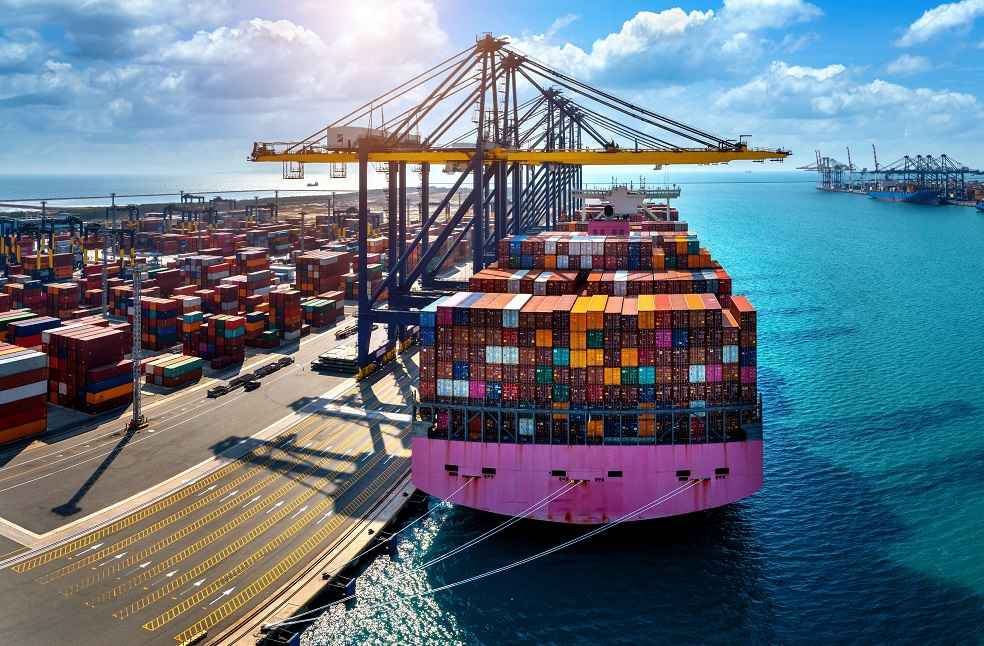
“We hope it will substantially elevate Pakistan-Iran trade and diversify its base. I urge industry and business community of both countries to take full benefit from the new SRO,” Tipu added.
The revised regulations aim to eliminate the operational obstacles that had hindered the previous system launched in June 2023. Businesses had raised concerns over limited tradable items, the requirement to export before importing, the need for contract verification by Pakistani missions overseas, and the brief 90-day timeframe for completing transactions.
To resolve these challenges, the Ministry of Commerce conducted consultations with the State Bank of Pakistan (SBP), the Ministry of Foreign Affairs, the Federal Board of Revenue (FBR), Pakistan Single Window (PSW), and private sector stakeholders.
The Economic Coordination Committee (ECC) of the federal cabinet approved the amendments earlier this month, paving the way for the updated barter trade framework to be implemented.
AUTOMOTIVE WORLD | U.S.-China Chip Trade Dispute Threatens Global Car Production