


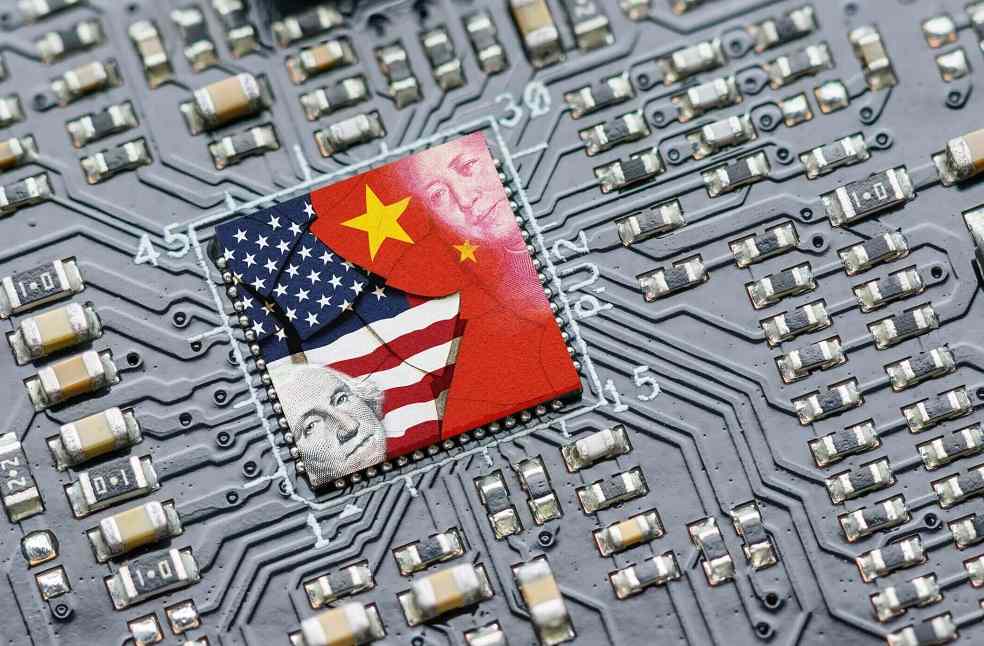
A Dutch semiconductor manufacturer, Nexperia, has become the unexpected flashpoint in an escalating trade dispute between the United States and China, raising alarms across the global automotive sector.
The conflict threatens to stall vehicle production worldwide and drive car prices even higher.
Nexperia, a key supplier of transistors, diodes, and other automotive semiconductors, produces chips essential for functions ranging from fuel injection and braking systems to power seats and lighting.
Without these components, vehicle assembly lines could come to a halt. The company ships more than 110 billion products annually and employs about 12,500 people across Europe, Asia, and the United States.
The crisis began after the U.S. Commerce Department added Nexperia’s parent company, China-based Wingtech Technologies, to its trade restriction list in December.

Tensions deepened in October when China’s Ministry of Commerce imposed a ban on Nexperia China and its subcontractors, preventing them from exporting certain finished components and sub-assemblies.
In a defensive move, the Dutch government has since taken control of Nexperia to safeguard European interests. Industry leaders warn that the escalating standoff could soon paralyze automotive production lines worldwide.
John Bozzella, CEO of the Alliance for Automotive Innovation, cautioned that any prolonged disruption in chip shipments “is going to disrupt auto production in the U.S. and many other countries and have a spillover effect in other industries.”
Sigrid de Vries, director general of the European Automobile Manufacturers Association, said automakers’ chip supplies may last only a few weeks, adding that “diversifying supply chains has helped, but risk cannot be reduced to zero.” She urged governments to deliver “quick and pragmatic solutions.”
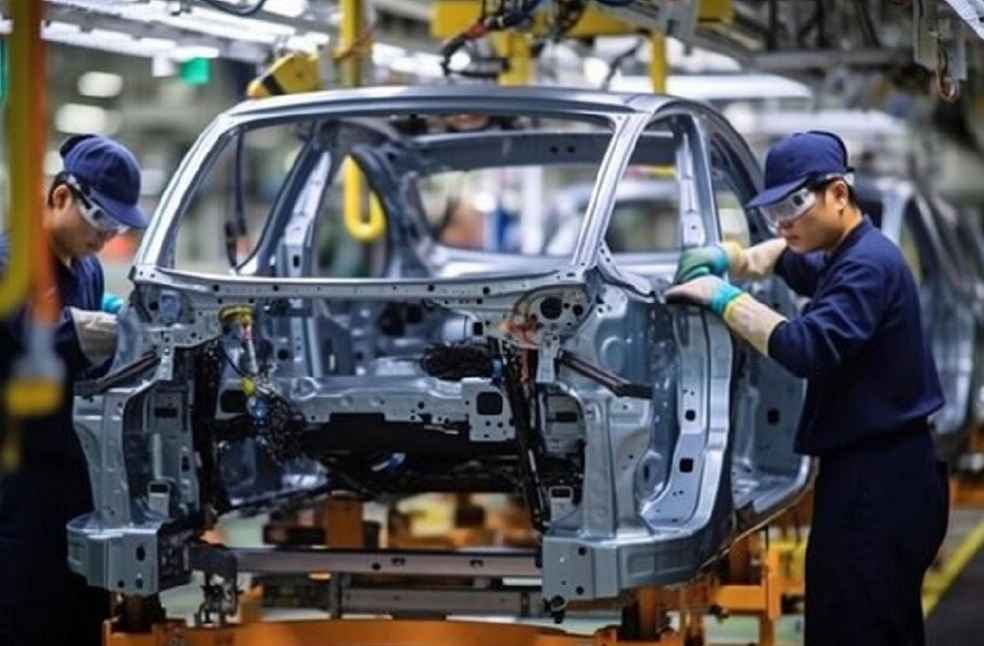
According to TechInsights, Nexperia supplies about 40% of the global market segment for automotive transistors and diodes.
Analysts warn that the situation could mirror the pandemic-era chip shortage, which caused widespread plant closures and a prolonged shortage of new vehicles, sharply driving up car prices.
The current standoff comes as automakers already struggle with tariff-related costs and inflationary pressures. Kelley Blue Book recently reported that the average new vehicle price in the U.S. has surpassed $50,000 for the first time.
Nexperia has stated that it is developing business continuity plans and remains confident that a resolution will be reached.
Automakers are pressing for immediate diplomatic action to avoid another global supply chain crisis that could impact millions of vehicles in production.
MOST POPULAR | Fire at Dhaka Airport Cargo Hub Devastates Garment Exports