


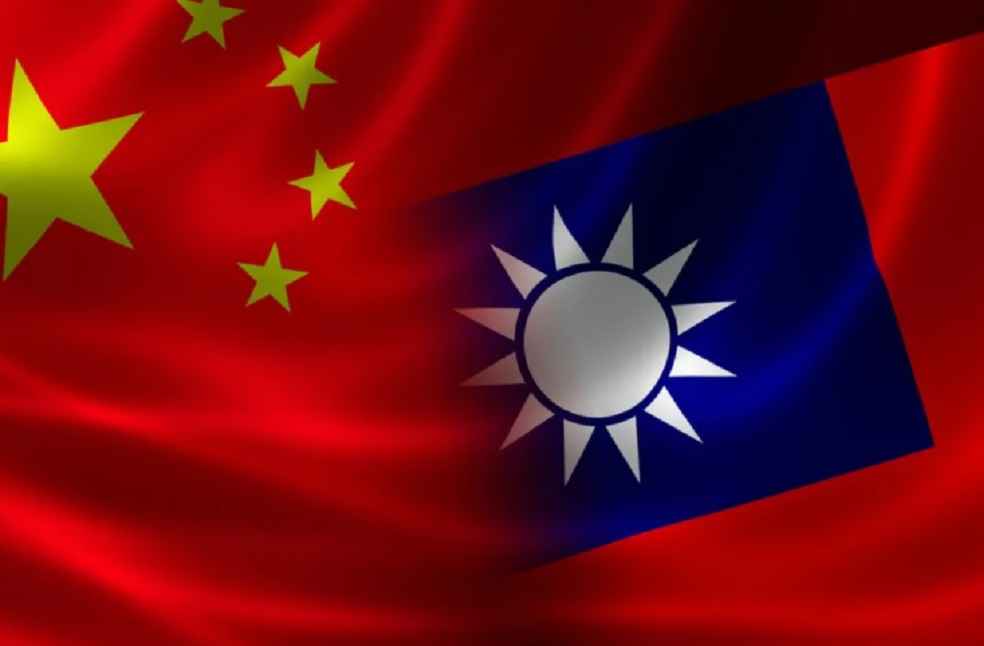
Taiwan’s Ministry of Economic Affairs stated on Sunday that China’s recent curbs on rare earth exports are not expected to impact the island’s semiconductor sector, since the restricted materials are not essential to chip production.
The ministry clarified that the restricted elements differ from those required for semiconductor manufacturing, indicating the new measures will not significantly affect chip production.
Elements like neodymium and dysprosium, typically used in magnets and electric motors, are distinct from the ultra-pure silicon, gallium, and other materials essential for semiconductor manufacturing. The ministry noted that Taiwan secures most of its critical rare-earth materials and derivatives from Europe, the U.S., and Japan, indicating minimal reliance on China. This diversified sourcing network was established to safeguard Taiwan’s high-tech industry from potential geopolitical threats.
Taiwan hosts the world’s leading chipmaker, Taiwan Semiconductor Manufacturing Company (TSMC), which manufactures most of the advanced semiconductors used in AI technologies, smartphones, and high-performance computing (HPC).

The island’s semiconductor industry, spearheaded by TSMC, plays a crucial role in the global electronics supply chain. The ministry also highlighted that the new restrictions could impact other industries. It warned that China’s expanded export controls may disrupt international supply chains for products like electric vehicles and drones.
Rare earths—a group of 17 metallic elements—are essential to the manufacturing of many modern technologies, such as electric vehicle motors, wind turbines, defense equipment, and consumer electronics. China leads the global market, controlling most of the world’s mining and processing capabilities.
Beijing asserts that the restrictions stem from national security concerns and are not a response to trade disputes. However, industry analysts highlight that the timing of the move aligns with the ongoing tensions between Washington and Beijing, where both countries are using their dominance in technology and critical materials as a strategic tool.
TEXTILE & APPAREL | Bangladesh Approves Raw Jute Export of 2,984 Tons to 12 Firms