
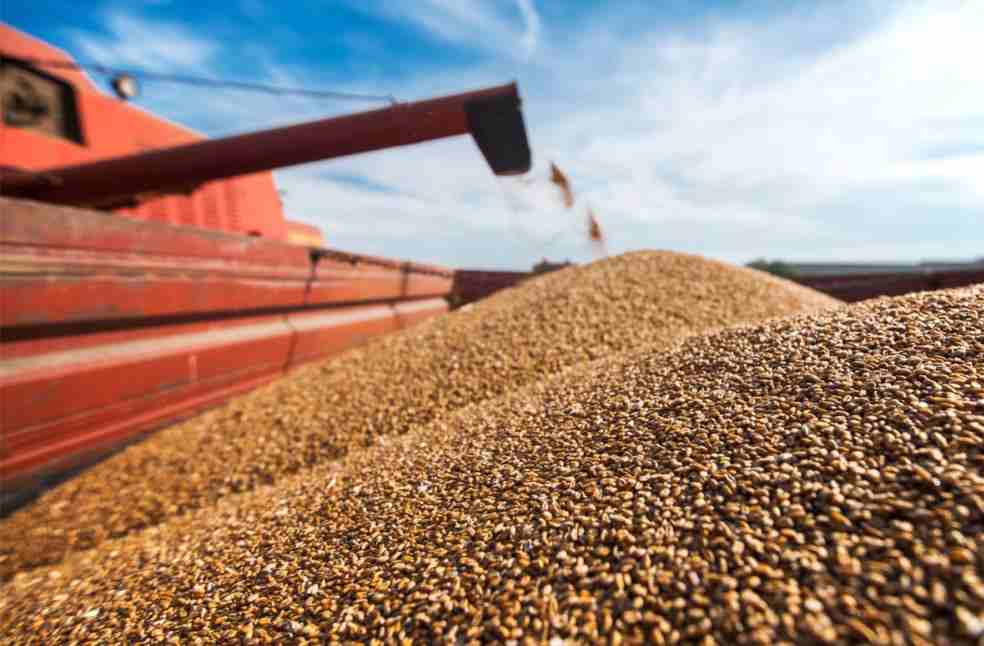
Bangladesh has approved the import of 220,000 metric tons of U.S. wheat in a government-to-government agreement aimed at easing trade tensions and diversifying its grain supply sources.
Priced at $308 per ton, the shipment will be supplied through Agrocorp International, a Singapore-based company authorized by U.S. Wheat Associates. The purchase was ratified by the Cabinet Committee on Government Purchase earlier this week.
This agreement follows a memorandum of understanding signed in July, under which Bangladesh committed to purchasing 700,000 metric tons of U.S. wheat annually over the next five years. The initiative is designed to reduce reliance on traditional suppliers from the Black Sea region and to strengthen bilateral trade relations with the United States.
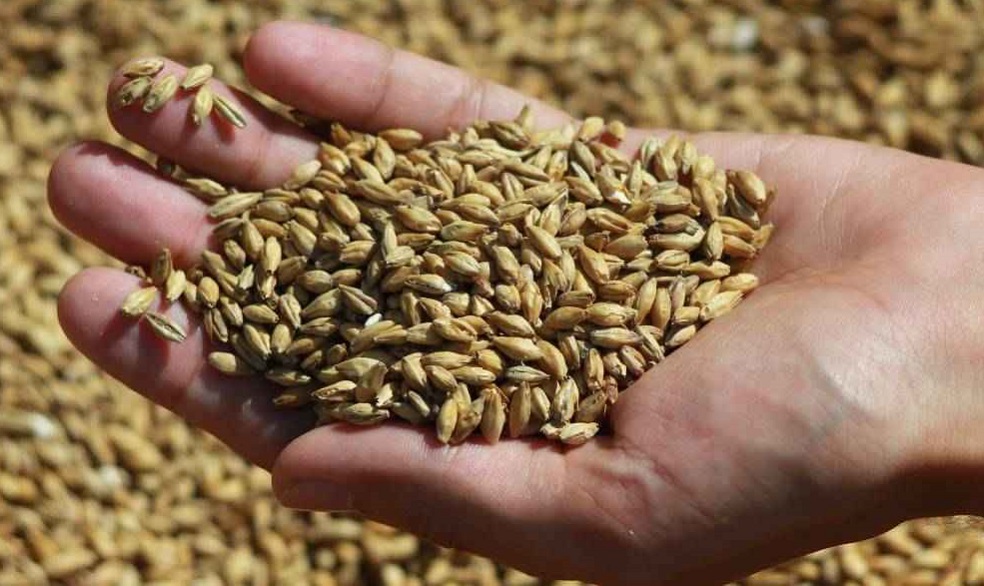
Bangladesh, which typically imports lower-cost wheat from Russia and Ukraine, also buys smaller quantities of premium-grade U.S. and Canadian wheat to enhance flour quality, particularly for its expanding food processing sector.
Until earlier this year, the country received U.S. wheat under USAID food aid programs, which were discontinued by the Trump administration.
The latest deal aligns with Dhaka’s broader strategy to narrow its $6 billion trade deficit with Washington and secure better market access for Bangladeshi exports, especially ready-made garments, which dominate its trade with the U.S.

In a related move, the United States has reduced tariffs on Bangladeshi exports from a proposed 37% to 20%, providing significant relief for the country’s apparel industry.
Beyond wheat, Bangladesh is increasing imports of other U.S. agricultural products, including soybeans and cotton, while also placing an order for 25 Boeing aircraft, signalling deeper economic cooperation between the two nations.
The Cabinet has also authorized the purchase of 50,000 metric tons of Indian rice at $359.77 per ton through an international tender, part of a wider effort to stabilize domestic food prices amid ongoing volatility in global grain markets.
ORGANIZATIONS NEWS | WTO: AI Boom and Frontloading Lift Global Trade in 2025