


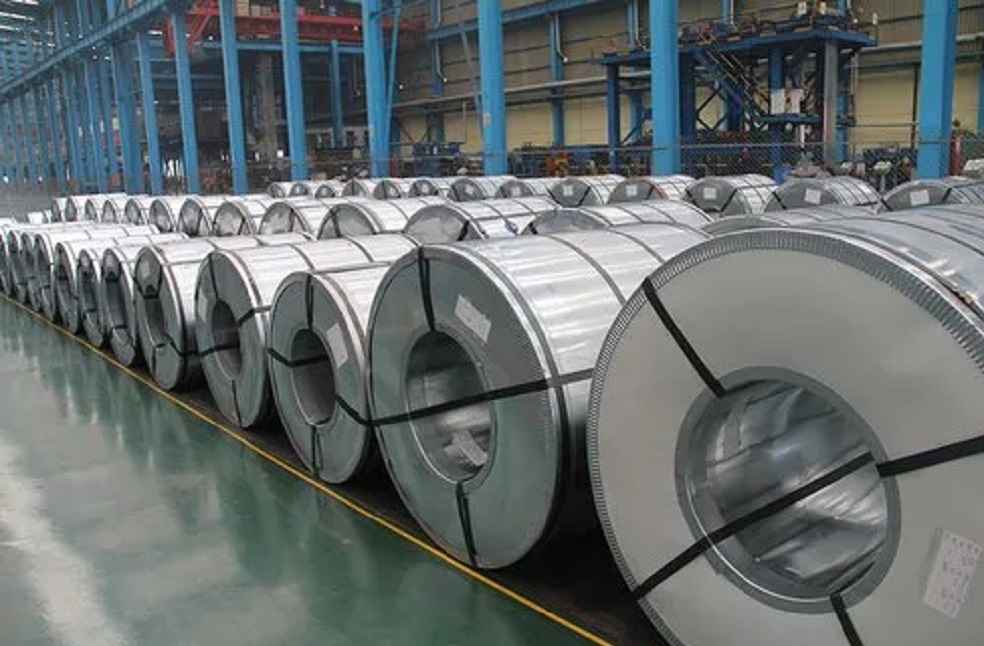
The UK steel industry is confronting its ‘biggest crisis in history,’ the industry’s trade association has warned, as the EU prepares to impose heavy tariffs that could exceed the impact of those previously introduced by the United States.
According to a document seen by the Financial Times, the European Commission will propose a 50% tariff on global steel imports exceeding a quota based on 2013 levels, with the declaration expected on Tuesday.
The move is expected to severely disrupt Britain’s steel industry, as 80% of its exports are destined for Europe. With U.S. steel tariffs still in force, industry insiders caution that the new EU levies will pose a serious threat. The proposed tariffs have also raised concerns that the UK could be flooded with EU steel once the tariffs take effect.
“This is perhaps the biggest crisis the UK steel industry has ever faced. Government must go all out to leverage our trading relationship with the European Union to secure UK country quotas or potentially face disaster,” Gareth Stace, director-general of the UK Steel lobby group, said.
The tariffs will add further strain to the industry, which is already burdened by soaring energy costs, oversupply of Chinese steel, and the substantial investment required for decarbonization. The sector is also contending with 25% U.S. tariffs, following the Labor government’s failure to secure a promised zero-tariff agreement.
Steelmakers are urging the government to use its long‑anticipated steel strategy, due this autumn, to chart a stable long‑term direction for the industry. Under the EU’s draft proposals, both exporting countries and product types would be assigned fixed quotas. Meanwhile, European producers continue to face challenges from low-cost imports originating from China, Turkey, Vietnam, and other nations.
In 2022, the EU imported 28 million tons of steel, accounting for a quarter of all steel sold within the bloc. Under the new proposal, duty-free quotas would apply to 18.3 million tons. The planned measure would replace the current 25% tariff, which is filled with exemptions and has proven ineffective in curbing import surges, and requires renewal every five years.
TRADE WORLD | China’s Ban Deepens Crisis for Missouri Soybean Farmers

