


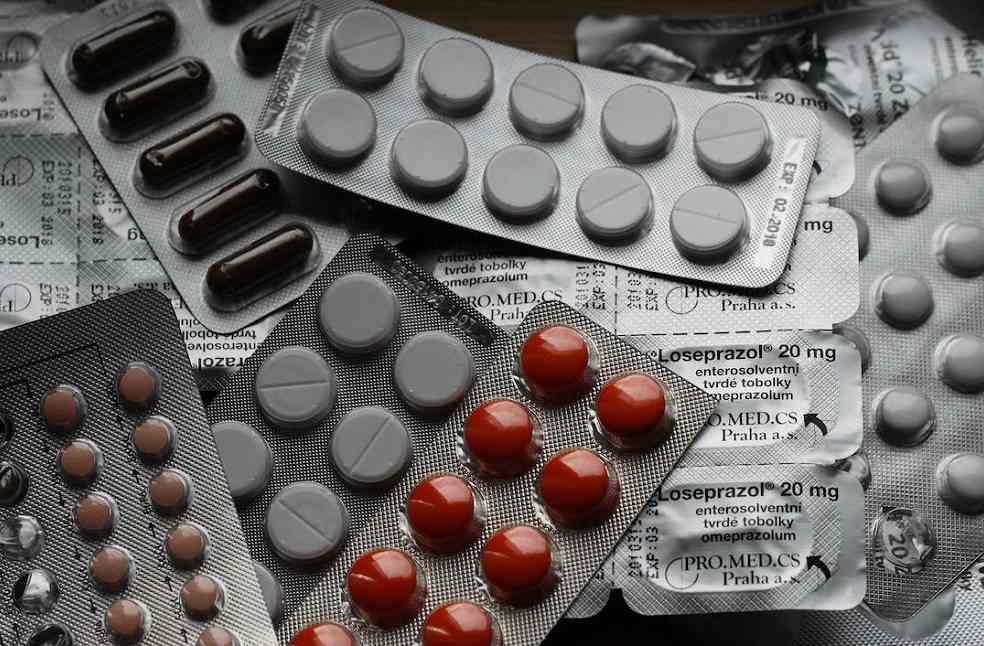
The Trump administration has postponed implementing broad tariffs on imported pharmaceuticals, despite a recent threat to impose a 100% tax on select brand-name and patented drugs. The tariffs on pharmaceutical imports were scheduled to begin on Wednesday, but White House officials revealed the plan is still under review.
The delay follows Pfizer CEO Albert Bourla’s visit to the Oval Office on Tuesday, where he joined President Trump to declare plans to reduce drug prices, including offering drugs at ‘Most Favored Nation’ rates. Bourla was one of 17 CEOs who received a personal letter from Trump outlining a series of demands.
As part of a deal unveiled by Trump, Pfizer, the New York-based pharmaceutical company, committed to investing $70 billion to expand its drug manufacturing capacity in the U.S. Additionally, Pfizer will take part in a direct purchasing platform called ‘TrumpRx(dot)gov,’ offering discounts on most of its primary care medications and ‘some select specialty brands.’ In return, Pfizer will receive a three-year suspension of the upcoming pharmaceutical tariffs.
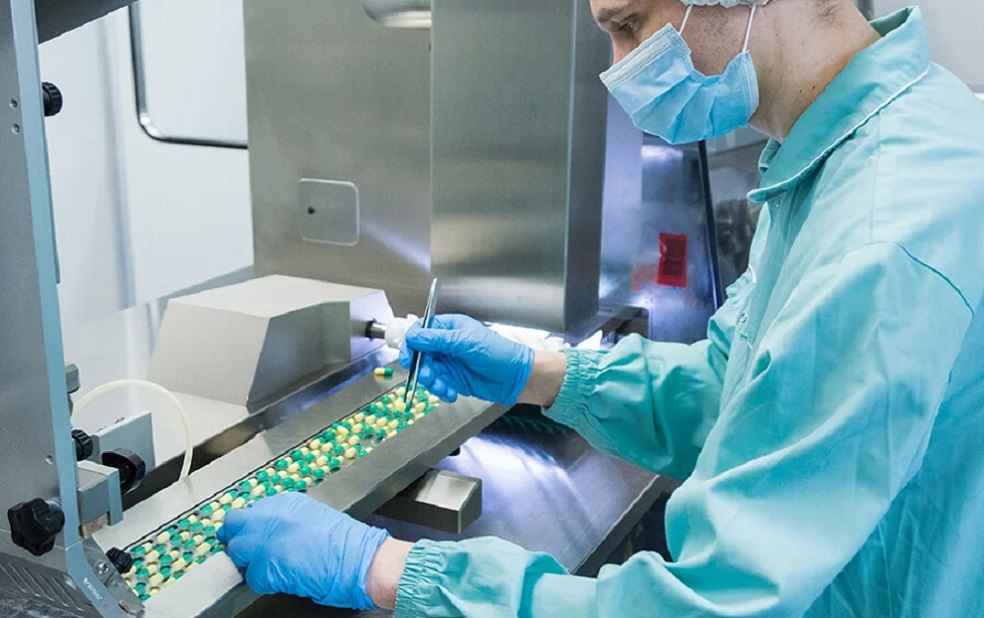
Last week, Donald Trump warned that pharmaceutical companies could be hit with a 100% tariff if they didn’t agree to build manufacturing facilities in the United States. The measure was presented as a push to bring production back home and lessen dependence on overseas sources. The White House noted that although immediate enforcement might not begin right away, the tariffs remain on the table.
The delay provides the White House with additional time to continue negotiations, though the mere possibility of tariffs is already unsettling the healthcare sector. Earlier this year, the Commerce Department launched an inquiry into the national security risks associated with importing pharmaceuticals and their ingredients—a move experts say could reinforce the relevance of the proposed tariffs. Trump described the deal as a blueprint for other pharmaceutical firms and said he expects similar announcements in the coming week.
BUSINESS GENERAL | Indonesia Probes Cesium-137 Contamination in Clove Exports