


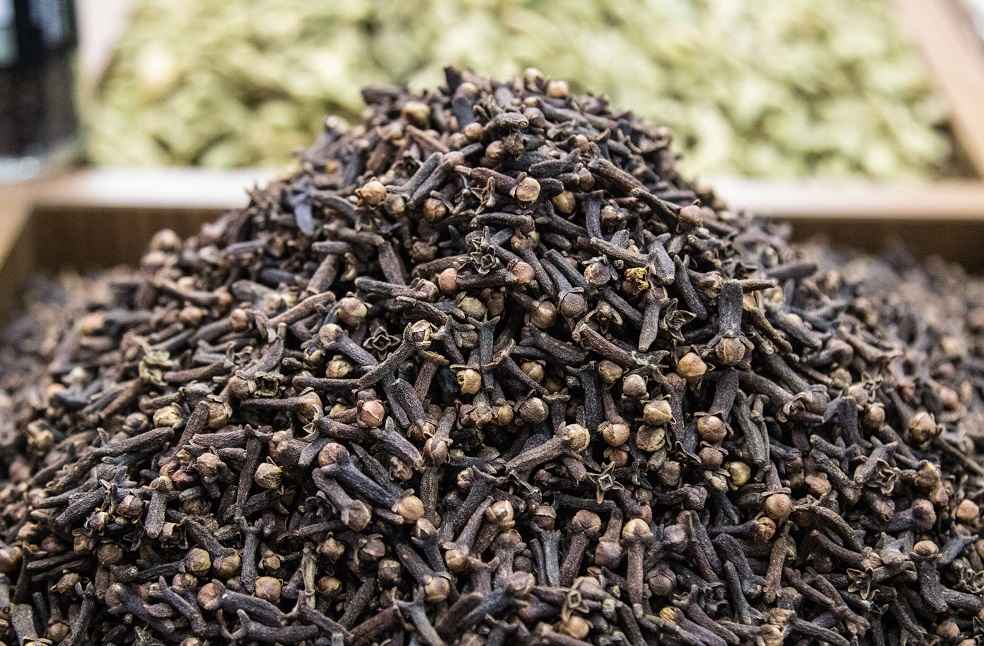
Indonesia is investigating possible radioactive contamination in its clove exports after the U.S. Food and Drug Administration (FDA) reported finding Cesium-137 (Cs-137) in shipments. The probe follows a similar case earlier this year involving frozen shrimp.
Minister of Environment Hanif Faisol Nurofiq, who also heads the Environmental Control Agency (BPLH), said a team has been deployed and will visit the site on Saturday to conduct inspections and take action. Speaking at the 2025 World Lakes Day commemoration in Jakarta on October 1, he stressed that the government is addressing the matter with urgency and seriousness.
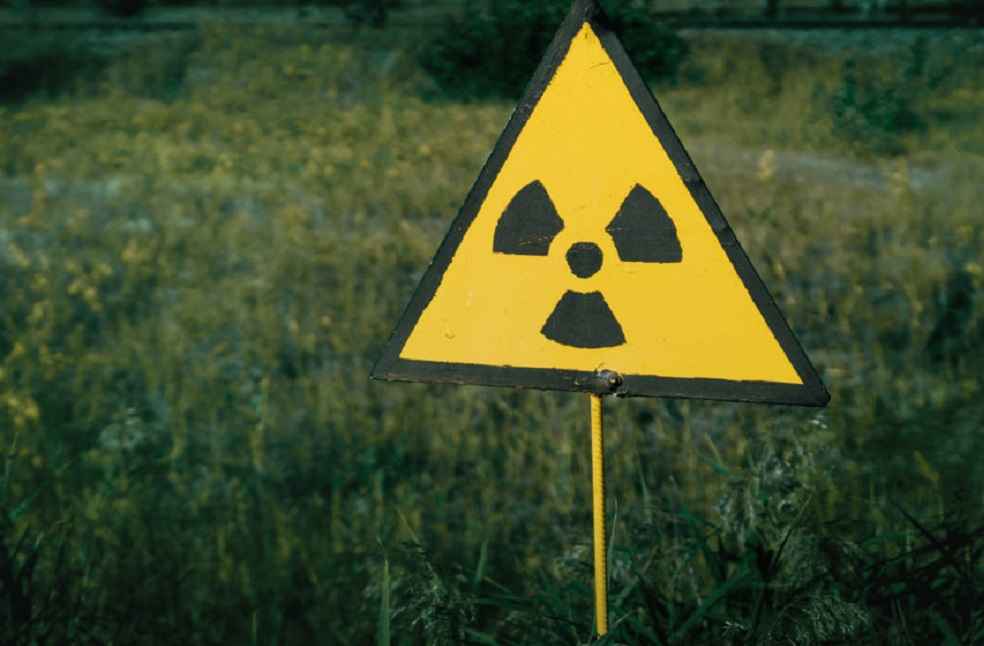
Hanif said he will personally inspect the exporting company alongside the Minister of Industry and other relevant officials. A Task Force for Handling the Danger of Cs-137 Radiation Contamination, formed after the shrimp case, has been activated to coordinate the response.
“The government is taking this issue very seriously. We are not playing around. Besides domestic safety, it also impacts trade issues. So we are handling this very carefully, with great prudence, but without causing panic,” Hanif said.
The latest case involves PT NJS, whose clove shipments were blocked by the FDA after traces of Cs-137 were detected. It comes just weeks after several frozen shrimp exports were returned by the FDA for the same reason.
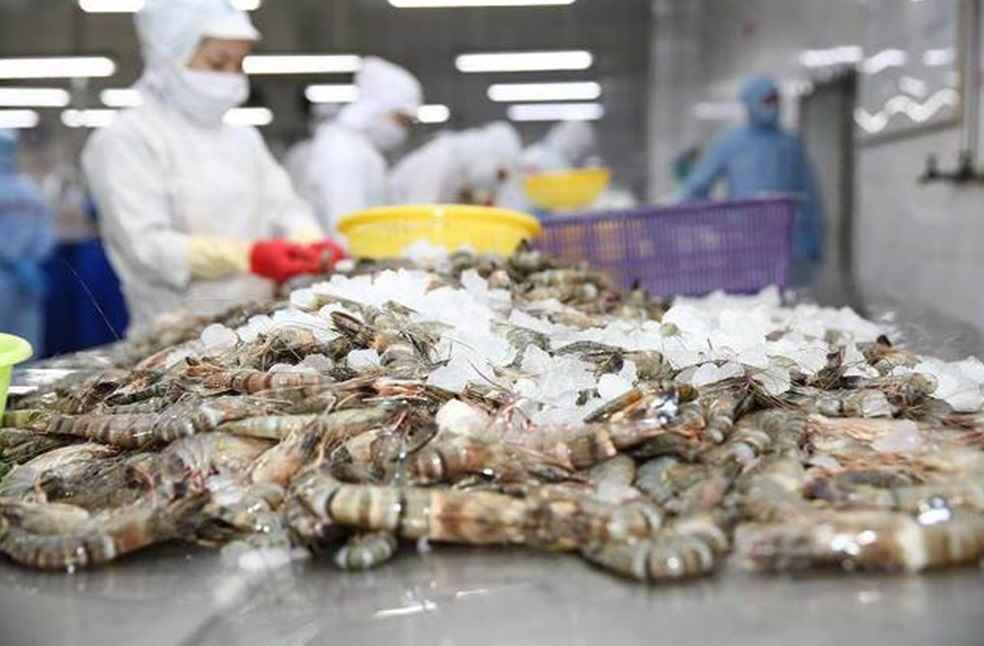
Following the shrimp incident, the task force led by Coordinating Minister for Food Zulkifli Hasan sealed a factory in the Modern Cikande Industrial Estate in Serang Regency, Banten, identified as the contamination source. Authorities have since conducted decontamination in several areas, prepared temporary storage for radioactive waste, and provided medical support for local residents.
On September 30, Minister Zulkifli confirmed that the contamination was confined to the Modern Cikande Industrial Estate and had not spread to the wider supply chain or other export commodities.
IMEX SECTOR | Australian PM Calls on China to Restore Iron Ore Import Flows