


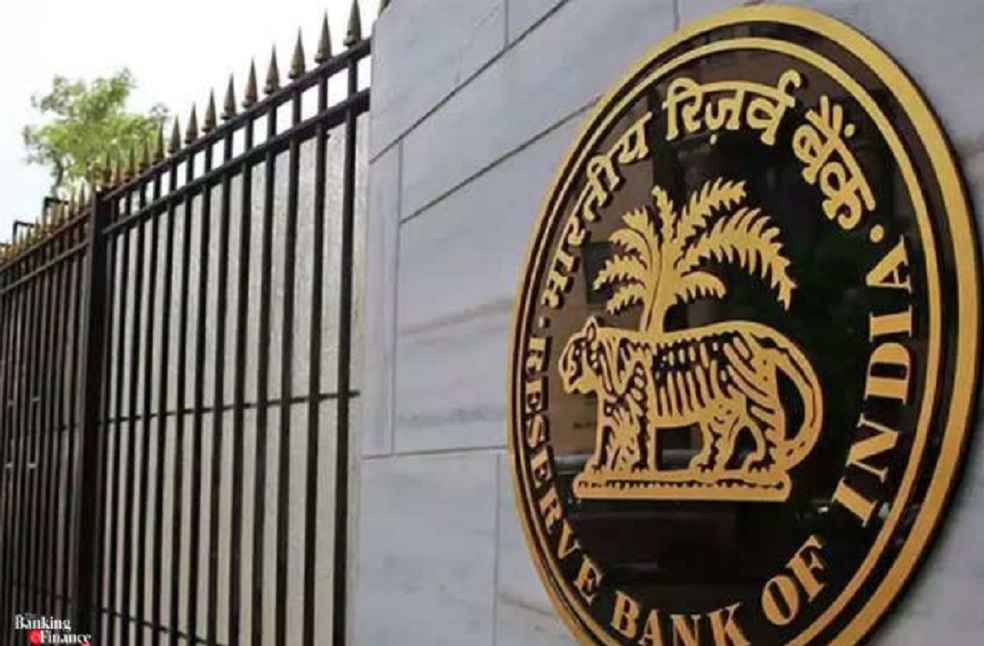
The Reserve Bank of India (RBI) has set out measures to expand the international use of the Indian Rupee, reflecting the country’s ambition to position the currency as a regional trade and finance alternative.
The initiatives were unveiled at the October 1 Monetary Policy Committee (MPC) meeting, highlighting India’s growing intent to deepen its financial influence across South Asia.
Under the new framework, Authorized Dealer (AD) banks will be permitted to lend in rupees to non-residents from Bhutan, Nepal, and Sri Lanka for cross-border trade. The RBI will also introduce transparent reference rates for major foreign currencies, a move aimed at streamlining rupee-based transactions for international participants.
In addition, balances in Special Rupee Vostro Accounts (SRVA) can now be invested in corporate bonds and commercial papers, widening their utility and boosting liquidity in INR-denominated instruments.
RBI Governor Sanjay Malhotra described the developments as “measured, but consequential,” adding that India has been making steady progress in promoting the rupee for global trade settlements.
The measures are expected to reduce reliance on the U.S. dollar in the region while offering neighboring economies alternative borrowing and trade settlement options. They also reinforce India’s economic resilience at a time of heightened global financial uncertainty, supported by its robust $700 billion in foreign exchange reserves, strong services exports, and a narrowing current account deficit.
By enabling regional partners to borrow and trade directly in rupees, the RBI is positioning the INR as a competitive currency in South Asia and strengthening India’s role in the evolving global financial Sector.
MOST READ | Export Packaging Market in 2025 Shaped by Rules and Green Demands
