


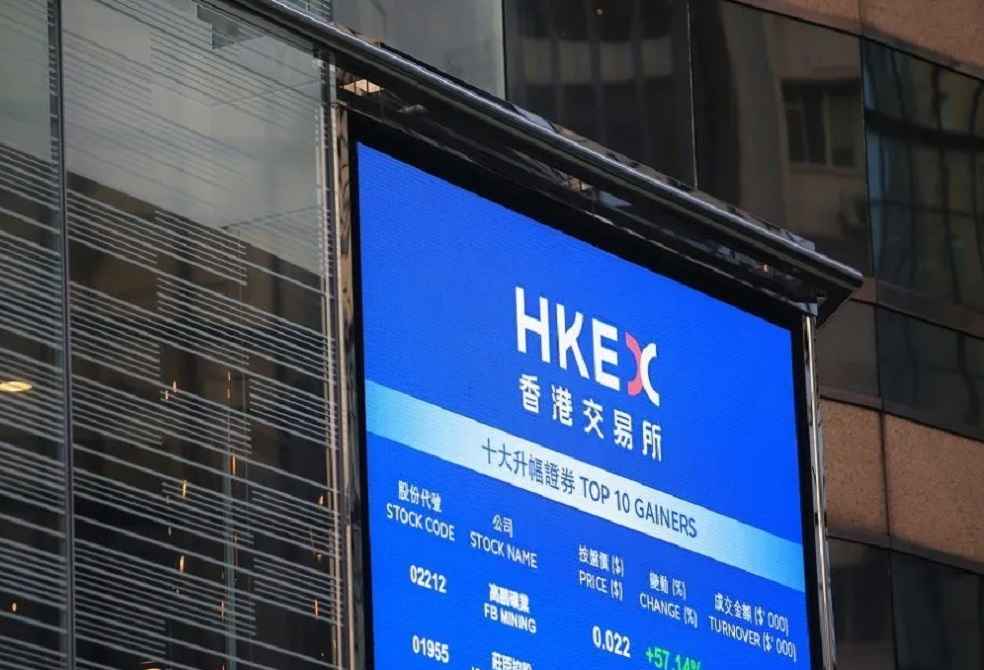
Automakers are increasingly tapping the Hong Kong Stock Exchange through initial public offerings (IPOs), seeking fresh capital to accelerate new energy vehicle (NEV) development, expand overseas production, and strengthen their position in the rapidly evolving smart mobility sector.
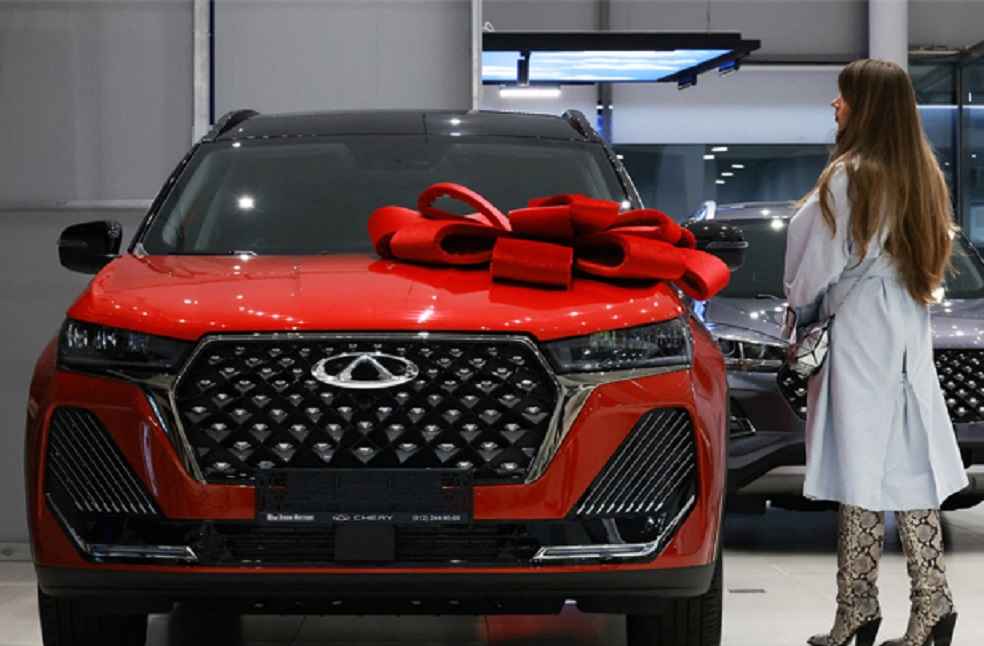
Leading this wave is Chery Automobile, which made a strong market debut on Thursday. The Anhui-based automaker raised HK$9.1 billion ($1.16 billion) in the city’s largest automotive IPO of 2025. Its shares closed at HK$34.16, about 11% higher than the IPO price of HK$30.75.
Chery’s robust performance reflects its rising global stature. In 2024, the company sold 2.3 million vehicles, ranking second among Chinese brands and 11th worldwide. According to consultancy Frost and Sullivan, Chery was the only automaker to record over 25% annual growth across all major categories: 265% in NEVs, 29% in fuel vehicles, 55% in domestic sales, and 35% in exports.
With a portfolio including Chery, Jetour, and iCar, the company has allocated 35% of its IPO proceeds to research and development for new passenger cars, and 25% to developing next-generation vehicles over the next three years. Chery is also ramping up its overseas expansion, building on its 22-year record as China’s leading car exporter. Its products are now sold in more than 100 countries.
In 2024, Chery launched its Omoda brand in the United Kingdom, followed by Jaecoo in January 2025. It now plans to introduce two new Chery-brand SUVs to Britain’s competitive market. By the second half of 2025, Chery aims to roll out at least eight NEVs, including plug-in hybrids, range-extended EVs, and pure EVs, targeting sales of more than 400,000 units annually.
“Chery is no longer viewed as a traditional automaker but as a global technology company,” said an investment banker involved in the underwriting. “Investors value its explosive NEV growth and international reach as long-term drivers of value.”

Chery’s move is part of a broader trend. Avatr Technology, a joint venture between Changan Automobile, Huawei, and battery giant CATL, is preparing for a Hong Kong listing by late 2025, with completion expected by mid-2026. The company has set ambitious goals, including 400,000 global vehicle sales and 100 billion yuan in annual revenue by 2027, doubling sales to 800,000 by 2030, and reaching 1.5 million units by 2035. Avatr plans to launch five models by 2026 and 17 by 2030, while expanding to more than 80 countries with 700 sales channels.
Meanwhile, Dongfeng Motor is pursuing a dual strategy. The company announced plans to privatize its Hong Kong listing while pushing its NEV subsidiary Voyah to list separately in the city. The move is designed to provide Voyah with global capital access and elevate its international brand profile. Since July, Voyah has been aggressively expanding its product lineup, introducing one model each month to reinforce its market presence.

Industry experts note that as competition in the NEV sector intensifies, IPOs are becoming vital for automakers. Listings provide funding for research and development, improve brand recognition, and attract international investors.
The Hong Kong Stock Exchange is playing a central role in this trend, offering international capital access, flexible listing mechanisms, and policy advantages. Companies also benefit from direct access to foreign exchange, reducing the complexity and cost of overseas operations such as factory construction and channel expansion.
IMEX SECTOR | Canada Bans Imports of Iranian Pistachio Over Salmonella Risk