


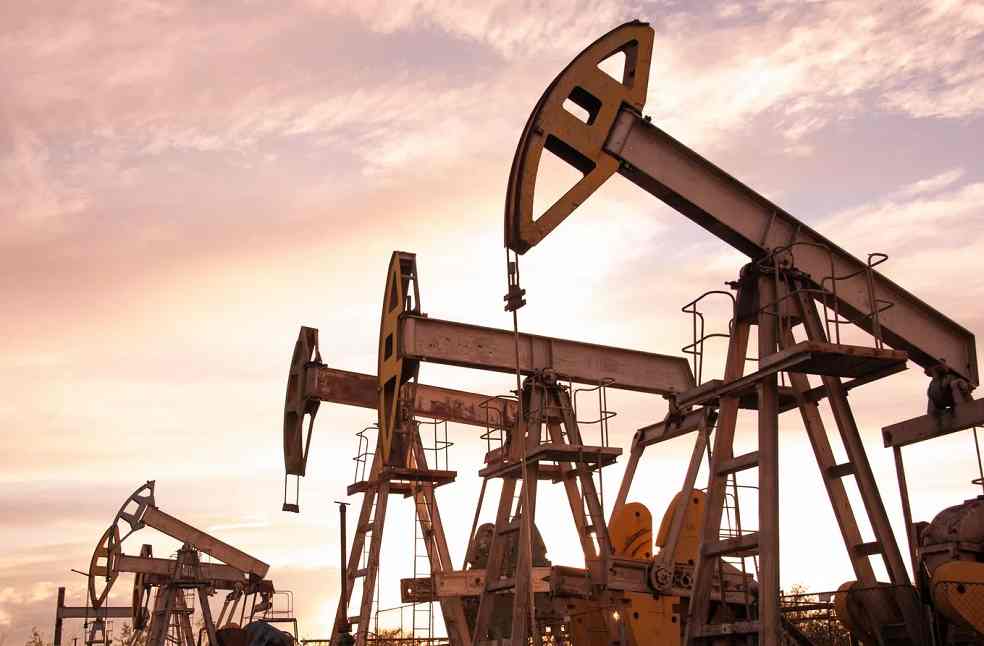
Iraq resumed crude oil exports from the semi-autonomous Kurdistan region on Saturday, ending a suspension that lasted over two years due to legal issues and pipeline closures.
Iraq’s Oil Ministry declared the resumption of oil exports from the Kurdistan Region through the Iraq-Turkey pipeline, bringing an end to a prolonged halt. The pipeline, inactive since 2023, has been a key point of contention in the ongoing dispute between the federal government in Baghdad and Kurdish officials in Erbil over control of the region’s oil resources.
“Operations started at a rapid pace and with complete smoothness without recording any significant technical problems,” the ministry said.
Ali Nizar, director of Iraq’s State Oil Marketing Organisation (SOMO), told AFP that the agency will manage 190,000 barrels of crude per day for export, with an additional 50,000 barrels allocated for domestic use. Turkish Energy Minister Alparslan Bayraktar also confirmed on X that oil flow through the pipeline resumed on Saturday morning.
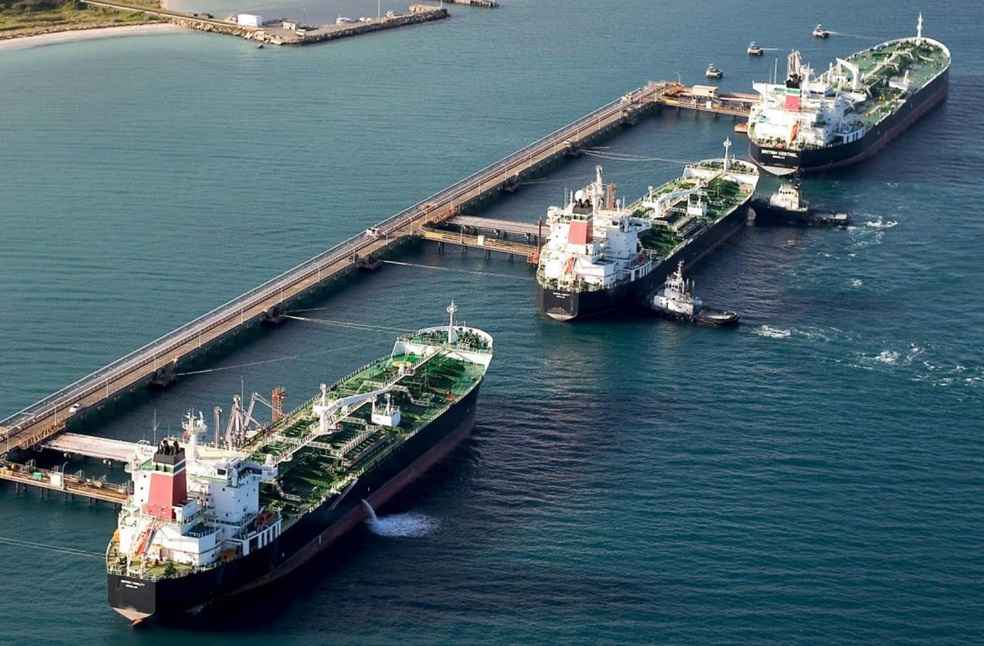
Previously, Kurdish authorities exported oil independently, bypassing Baghdad’s approval, primarily through Turkey’s Ceyhan port. This arrangement was suspended in March 2023 after the International Chamber of Commerce deemed the exports unlawful, affirming that only Iraq’s federal government has the authority to market the country’s crude. A turning point came in July, when Baghdad and Erbil reached an agreement to transfer all oil from Kurdistan’s fields to SOMO.
On Thursday, the federal government and Kurdish authorities struck a new agreement with international oil companies operating in the region to restart crude exports. U.S. Secretary of State Marco Rubio welcomed the development, noting that Washington had played a role in brokering the deal and emphasizing that it would enhance the mutually beneficial economic relationship between the United States and Iraq.
The Association of the Petroleum Industry of Kurdistan (APIKUR), which represents global oil companies active in the region, estimated that Iraq has incurred over $35 billion in losses since the pipeline shutdown. On Wednesday, eight international firms operating in Kurdistan agreed to restart exports through the Iraq-Turkey pipeline while also requesting discussions with Kurdish authorities to resolve over $1 billion in outstanding costs.
Oil remains the cornerstone of Iraq’s economy, accounting for roughly 90% of government revenue. As a founding member of OPEC, Iraq currently exports 3.4 million barrels per day, according to SOMO data.
TRADE WORLD | Canada Signs CEPA with Indonesia to Strengthen Bilateral Trade