


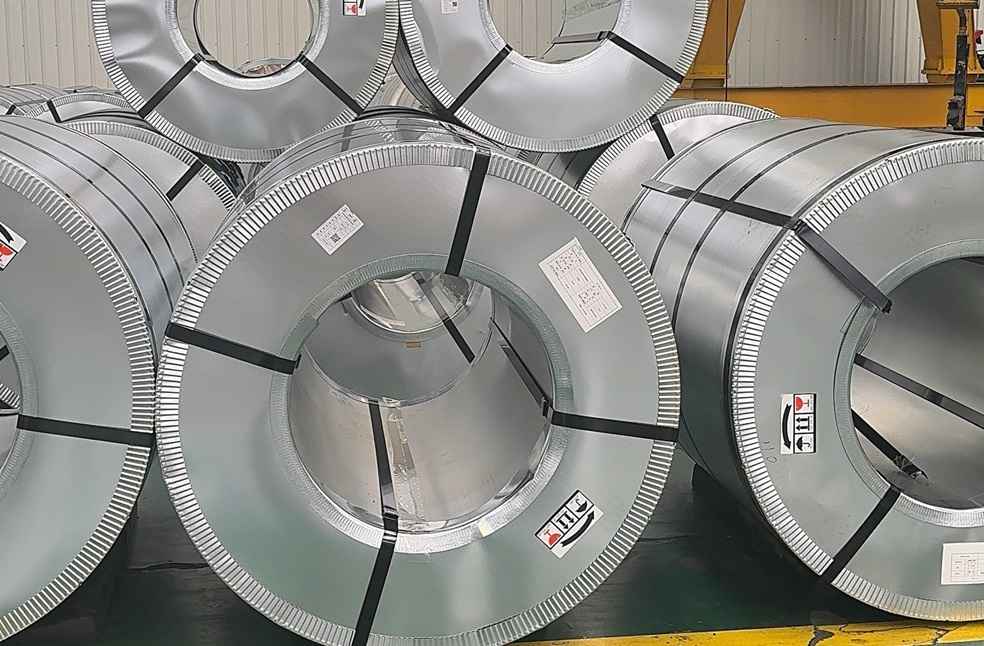
The European Commission is preparing to impose tariffs of between 25% and 50% on imports of Chinese steel and related products within weeks, according to a report by German business daily Handelsblatt.
The measures come as Brussels looks to design a new long-term framework for managing steel imports once existing safeguard rules expire in mid-2026, a deadline the Commission has acknowledged cannot be extended under World Trade Organization rules.
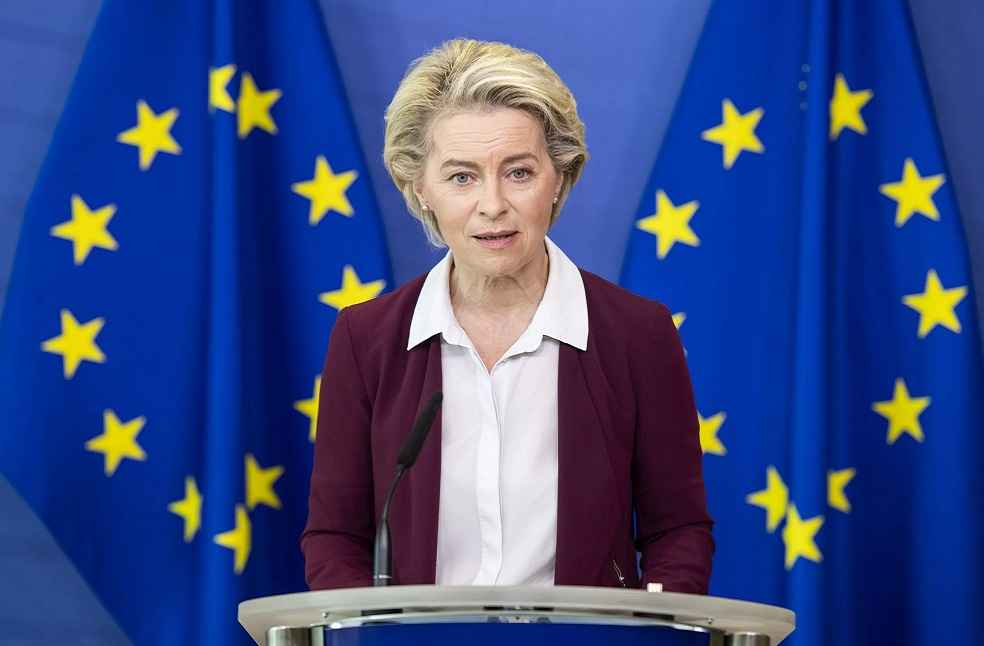
Commission President Ursula von der Leyen told the European Parliament earlier this month that a new mechanism would be introduced to curb imports, citing global overcapacity and pressure on profit margins that are stalling investment in decarbonization by European producers.
Shares in European steelmakers rose on Friday following the report, with listed groups in Germany, Luxembourg, and the Netherlands among gainers, as markets welcomed the prospect of stronger border protection against low-priced competition.
The move comes amid a surge in Chinese steel exports, which analysts expect to hit a record 115–120 million tons this year, up as much as 9% on 2024. With domestic demand weakened by China’s prolonged property downturn, mills have turned to overseas markets, including a sharp rise in semi-finished products such as billet that are often subject to fewer trade measures.
Despite this record pace, EU-bound shipments remain relatively modest, with 2024 volumes of around 368,000 tons, only about 4% of China’s exports. Analysts say tariffs at the levels reported would therefore have a limited direct impact on Beijing’s overall export program but could redirect trade flows to other regions.
The Commission has already signalled tighter oversight of the metals trade. In July, it activated customs surveillance on imports and exports of scrap metals, including steel, aluminium, and copper, after warnings from smelters about shortages and potential plant closures. The system is intended to generate detailed data for policy decisions and to safeguard the supply of recycled materials critical to the industry’s low-carbon transition.
Global steel trade frictions are also intensifying elsewhere. The United States has imposed new tariffs on steel and aluminium products, and Brussels has held discussions with Washington over potential coordination. Any U.S. escalation could reshape global flows, affecting prices and availability in Europe.
Von der Leyen has pledged that the forthcoming EU instrument will replace existing safeguards with a longer-term arrangement consistent with WTO rules. The stated aim is to preserve fair competition and give European producers space to invest in cleaner technologies, including electric arc furnaces and hydrogen-based processes, without being undercut by imports from regions with chronic overcapacity.
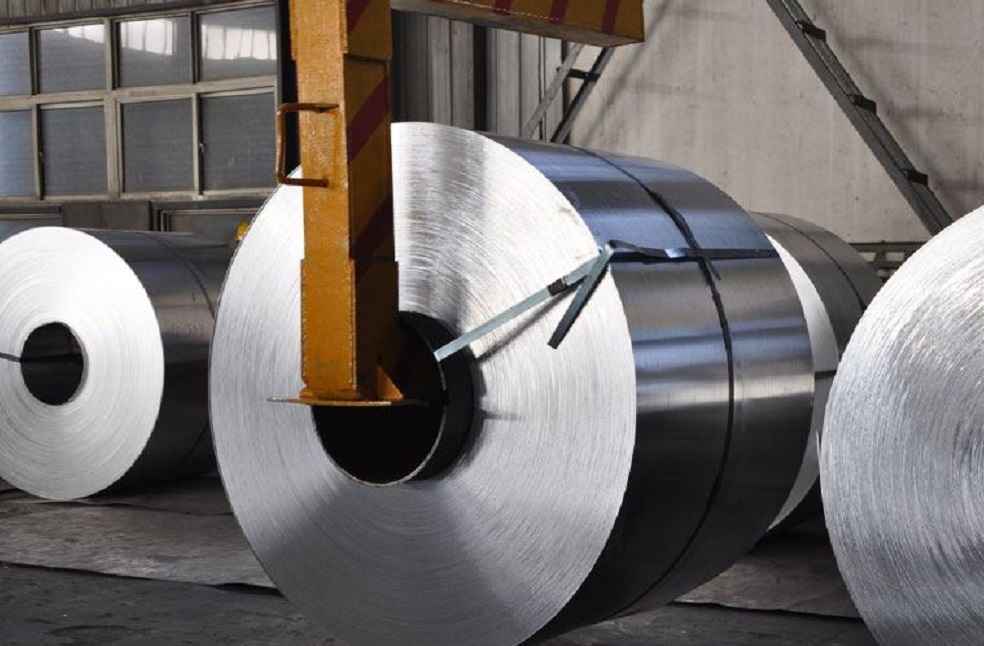
Industry association EUROFER estimates global steel overcapacity at more than 600 million tons in 2024, with further growth expected. Brussels has framed recent moves, including scrap-trade monitoring and potential new import duties, as part of a broader industrial strategy to maintain strategic manufacturing while advancing climate targets.
For downstream industries, additional tariffs may increase costs for certain imports, but business groups suggest that clearer rules and improved market predictability could stabilize supply. The Commission has said data gathered from scrap surveillance will inform any further steps to balance industrial resilience with its environmental goals.
POLICY & LAW | Trump Unveils New Tariffs on Drugs, Trucks, and Furniture