



The U.S. Commerce Department revealed on Wednesday that it had launched a new investigation into the importation of robotics, industrial equipment, and medical devices, raising speculation about the possibility of new tariffs being added to the president’s existing trade measures.
The Department of Commerce stated that the investigations, which began on September 2 under Section 232 of the Trade Expansion Act, will evaluate whether these imports pose a threat to U.S. national security, according to filings in the Federal Register.
The newest investigations broaden the range of goods that could face increased tariffs, including surgical masks, N95 respirators, gloves, and other medical supplies such as syringes, needles, and prescription medications.
The scope of the investigations also covers equipment like wheelchairs, hospital beds, and various diagnostic and therapeutic devices such as pacemakers, insulin pumps, and heart valves.

Although the investigations were initiated earlier and only revealed later, companies have been instructed to outline the future demand for robotics and industrial machinery. Additionally, they are required to assess the extent to which domestic production, including parts and components, can meet the demand.
The Trump administration has previously used Section 232 to impose tariffs on automobiles and auto parts, as well as on copper, steel, and aluminum. Any new tariffs stemming from these industry-specific investigations would be added to the existing country-specific duties already implemented by President Donald Trump. Experts have cautioned that tariffs on medical devices and protective equipment could raise costs for hospitals and patients, potentially limiting access to essential medical supplies and care.
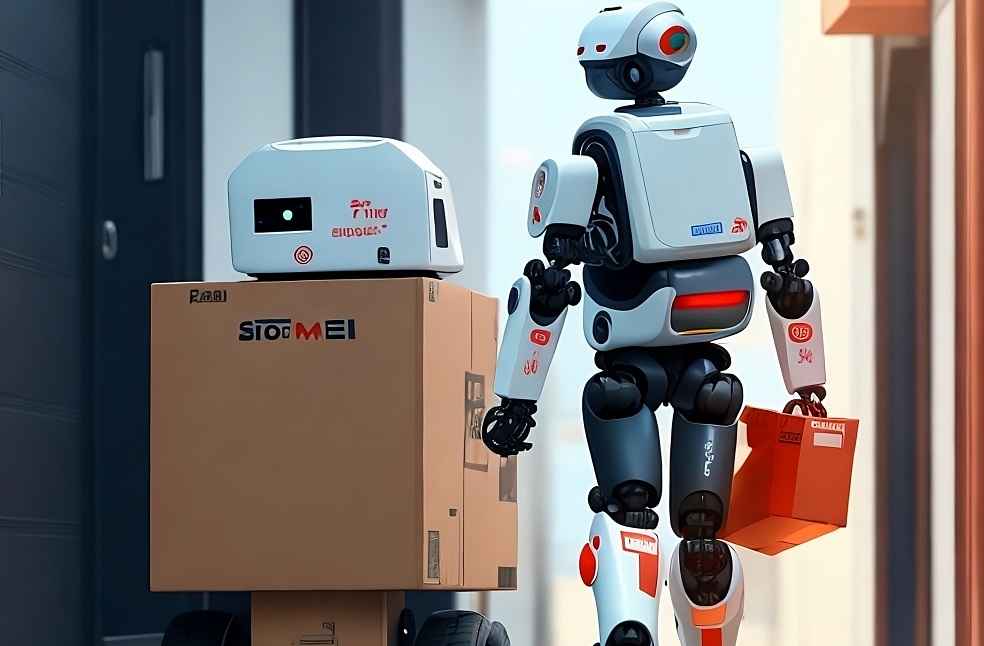
As reported by CNBC, the U.S. relies significantly on Mexico and China for machinery, with imports from these two countries making up over 18% and 17% of total U.S. machinery purchases in 2023, based on data from the U.S. International Trade Commission. The automotive sector could be notably affected by the proposed tariffs, as it had the highest demand for industrial robots last year, with 13,747 units installed, according to the International Federation of Robotics.
LOGISTICS INDUSTRY | UNCTAD Warns of Slow Growth, Rising Costs in Maritime Trade