


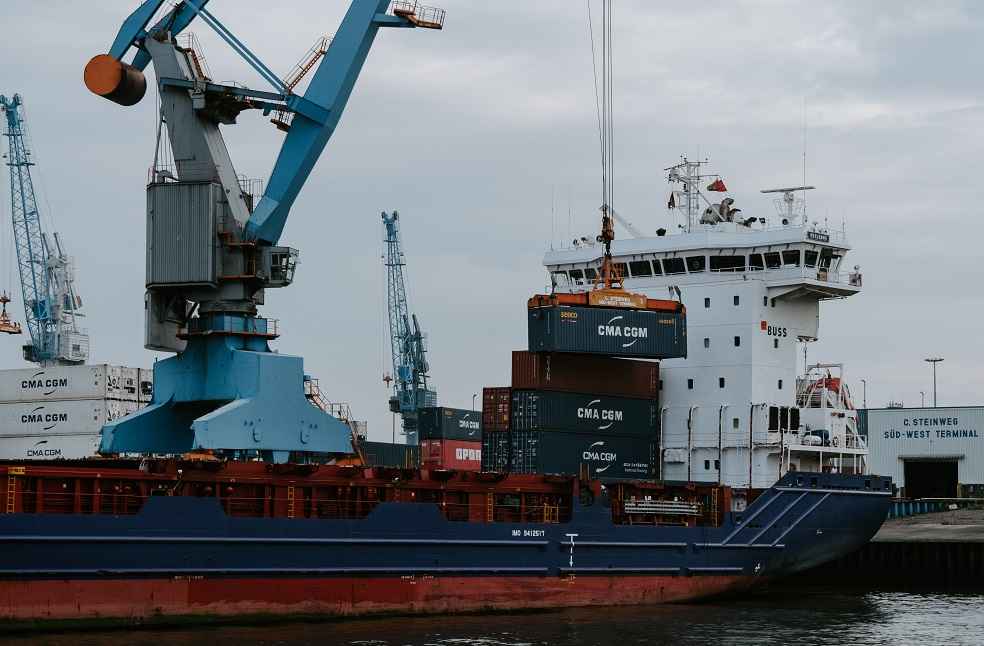
Global maritime trade is bracing for a period of fragile growth, rising costs, and heightened uncertainty, the United Nations Conference on Trade and Development (UNCTAD) warned on Wednesday.
According to the Review of Maritime Transport 2025, launched in Geneva, seaborne trade volumes are projected to increase by just 0.5% in 2025, marking the slowest pace in years. The slowdown reflects the combined impact of geopolitical tensions, new trade barriers, and climate challenges that are reshaping routes and driving up expenses.
“The transitions ahead – to zero carbon, to digital systems, to new trade routes – must be just transitions,” said UNCTAD Secretary-General Rebeca Grynspan. “They must empower, not exclude. They must build resilience, not deepen vulnerability.”
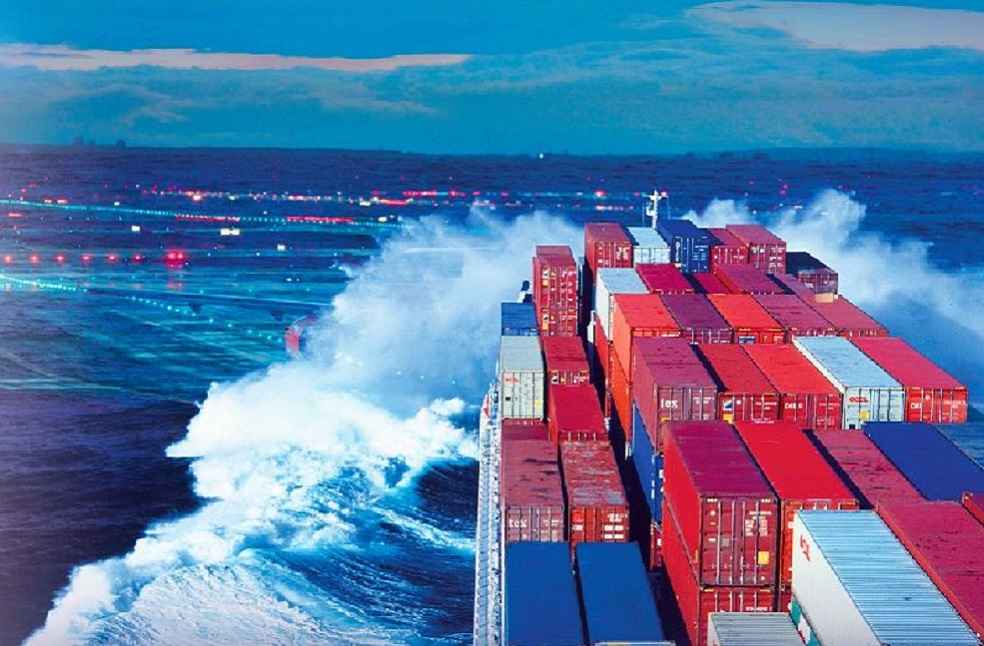
Shipping, which carries more than 80% of global merchandise trade, has been severely disrupted by rerouting linked to crises in the Red Sea and tensions near the Strait of Hormuz. These diversions have extended voyages, raised costs, and delayed deliveries. Regina Asariotis, Chief of UNCTAD’s Trade Logistics Branch, cautioned that vulnerable economies are bearing the heaviest burden, with higher freight rates driving food insecurity and import costs for small island states, least developed countries, and net food importers.
Ports worldwide are struggling with congestion and long waiting times, while pressure mounts to modernize operations. UNCTAD emphasized the need for digital solutions, such as maritime single windows and port community systems, alongside stronger cybersecurity protections as digital threats rise.
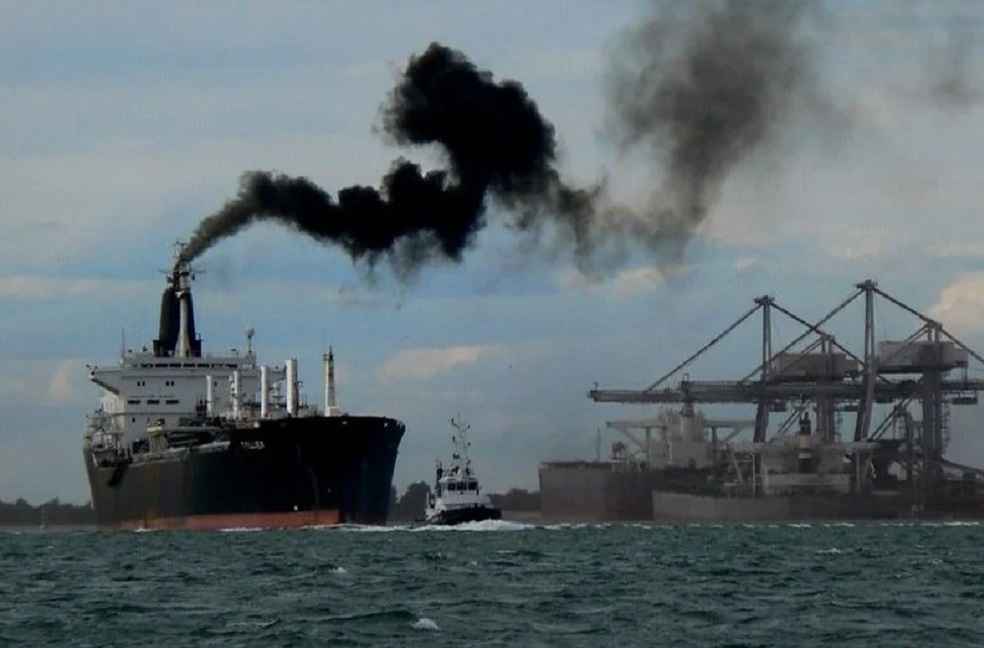
Climate concerns add further urgency. Shipping emissions increased by 5% in 2024, yet only 8% of the global fleet tonnage can use alternative fuels. The International Maritime Organization is due to consider a Net-Zero Framework in October, including carbon pricing and a global fuel standard.
The review also highlighted the human toll of the industry’s turbulence. Cases of seafarer abandonment hit a record high in 2024, with crews left stranded without pay. Amendments to the Maritime Labor Convention, due in 2027, aim to strengthen repatriation and shore leave rights, but enforcement remains critical.
UNCTAD called for governments and industry to act jointly on stable trade policies, sustainable infrastructure, faster digitalization, fleet renewal, and support for vulnerable nations. “Persistent high transport costs risk hitting developing countries the hardest,” Grynspan warned. “Maritime transport must be resilient, inclusive, and sustainable if we are to weather the turbulent waters ahead.”
POLICY & LAW | Morocco Assesses EU CBAM Impact on Exports