


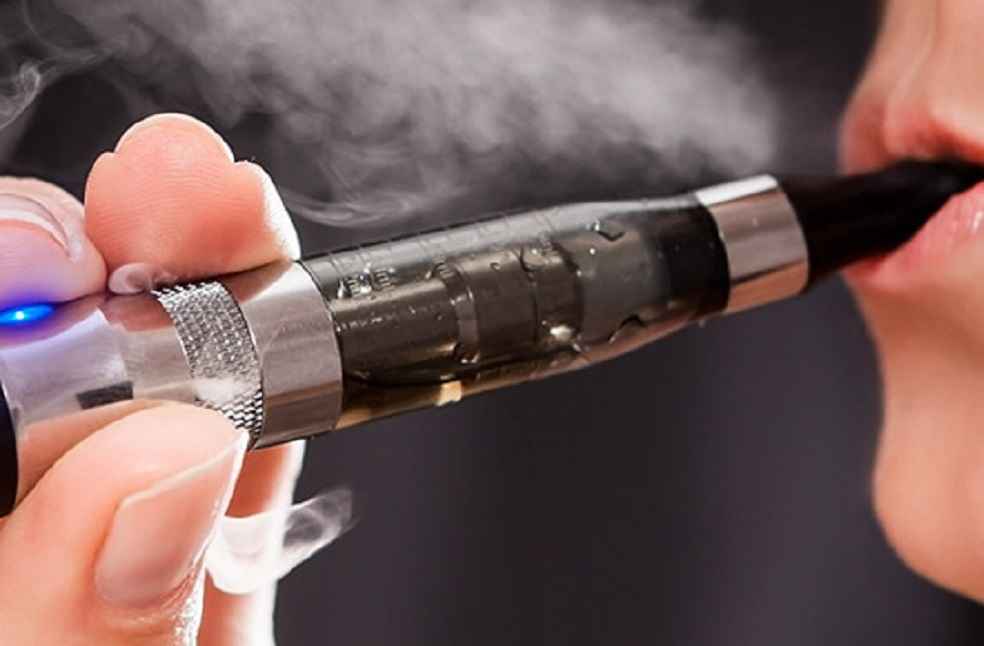
As much as 80% of vapes or illicit e-cigarettes circulating in the Philippines may be smuggled or counterfeit, a trade expert has warned, raising concerns over health risks and losses to legitimate businesses.
Rodney Van Dooren, regional illicit trade expert at Philip Morris International (PMI), made the remarks during a recent Financial Times forum on illicit trade held in Taguig City. He cited a ‘massive discrepancy’ between China’s e-cigarette export figures and the Philippines’ official import data, indicating that most products bypass formal entry channels.
While around 20% of the country’s cigarette market is already illicit, Van Dooren said counterfeit e-cigarettes could pose even greater dangers. “There’s no such thing as a safe cigarette. But counterfeit cigarettes are even more harmful,” he explained. Tests have shown tar levels up to 160% higher, carbon monoxide 130% higher, and traces of cadmium and lead in fake products. Some goods from unregulated factories were found contaminated with “feces and insects,” he added.

Beyond the public health threat, Van Dooren stressed the economic fallout. “We’re a legitimate operator that follows the rules. We get impacted because there’s a shift of volume from the legitimate industry into the illegitimate industry,” he said. Packaging of counterfeit products is often so convincing that many consumers only realize the danger after purchase.
The expert noted that the problem worsened during the pandemic, when illicit cigarette consumption in the Philippines jumped from 6% to 20%, fuelled largely by online sales. Similar trends were seen across the region, including in Thailand, where the illicit share surged from 5% to 28%.
Van Dooren acknowledged stronger enforcement efforts by the Department of Trade and Industry and the Bureau of Internal Revenue under new laws, but argued that deeper international cooperation is needed. “Someone’s producing a product that is legal but never legitimate. It’s legal but not legitimate, because there’s no legitimate market where that product can be sold,” he said.
He urged India, China, and ASEAN member states to work together, noting that the Philippines, as next year’s ASEAN chair, is “in a perfect position” to lead a regional initiative against illicit trade. “It has to be a government initiative. I’d love to see the Philippines in its chairmanship position next year take the lead on saying, once and for all, let’s address this,” Van Dooren said.
POLICY & LAW | U.S. Senators Propose Shrimp Tariff Act to Protect Louisiana Industry
