


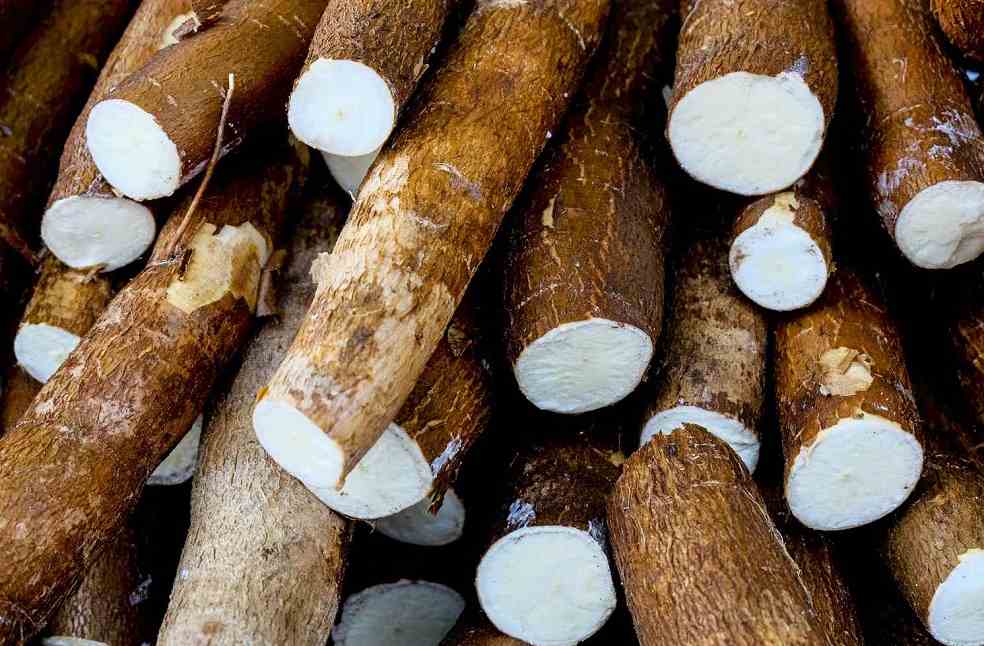
Indonesia’s Trade Ministry enacted two new regulations on Friday to strengthen controls on cassava and ethanol imports, aiming to protect local farmers and ensure a stable domestic supply. Trade Minister Budi Santoso stated that these measures align with President Prabowo Subianto’s directive to stabilize industrial supplies while safeguarding domestic producers.
“This is in line with the President’s instructions to secure raw materials, protect farmers, and ensure supply stability,” Santoso said.
According to Trade Ministry Regulation No. 31/2025, an earlier policy on agricultural imports has been updated to impose restrictions on cassava and its related products, such as tapioca. Meanwhile, Regulation No. 32/2025 modifies existing guidelines for chemical imports and reinstates oversight on ethanol imports. Both measures will take effect 14 days after the issuance.
The Trade Ministry intends to incorporate cassava into the national commodity balance framework to enhance oversight of domestic supply and demand.
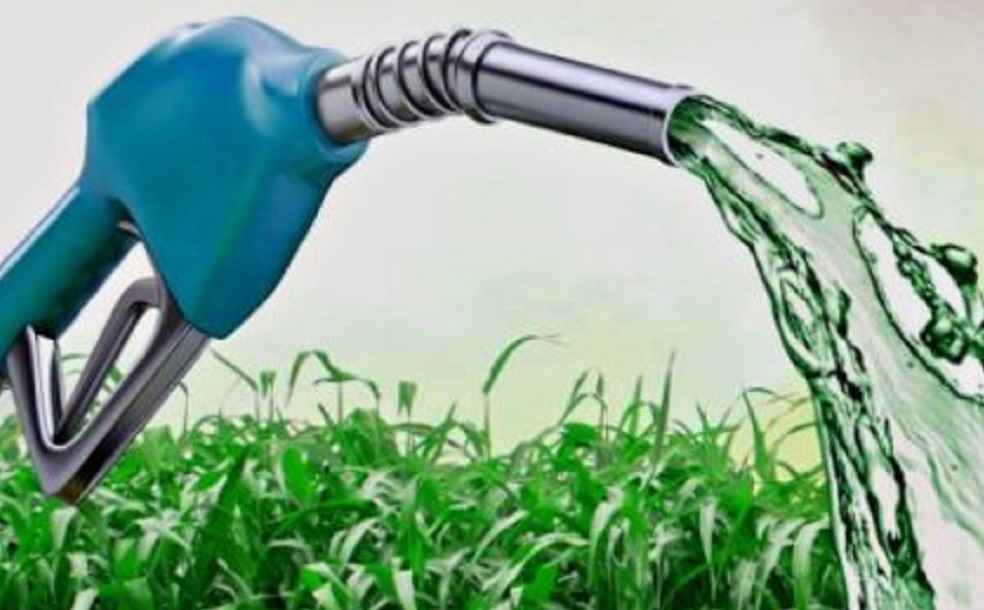
The ethanol regulation was introduced in response to appeals from government ministries and industry associations to reinstate import approval requirements.
Ethanol imports were previously allowed without restriction but will now be regulated to avoid disrupting the domestic molasses market, Budi affirmed.
“Ethanol is critical for industry, but it should not undercut sugarcane farmers who produce the raw materials,” he added.
The policy aligns with national objectives for achieving sugar self-sufficiency, enhancing energy independence, and advancing the green economy.
Additionally, the updated regulation permits registered hazardous material importers (IT-B2), including state-owned enterprises holding API-U licenses, to supply specific substances to sectors such as pharmaceuticals, cosmetics, and food, provided they receive approval from the Food and Drug Monitoring Agency (BPOM).
METAL WORLD | India’s MOIL Dispatches First Manganese Ore Consignment to Indonesia

