


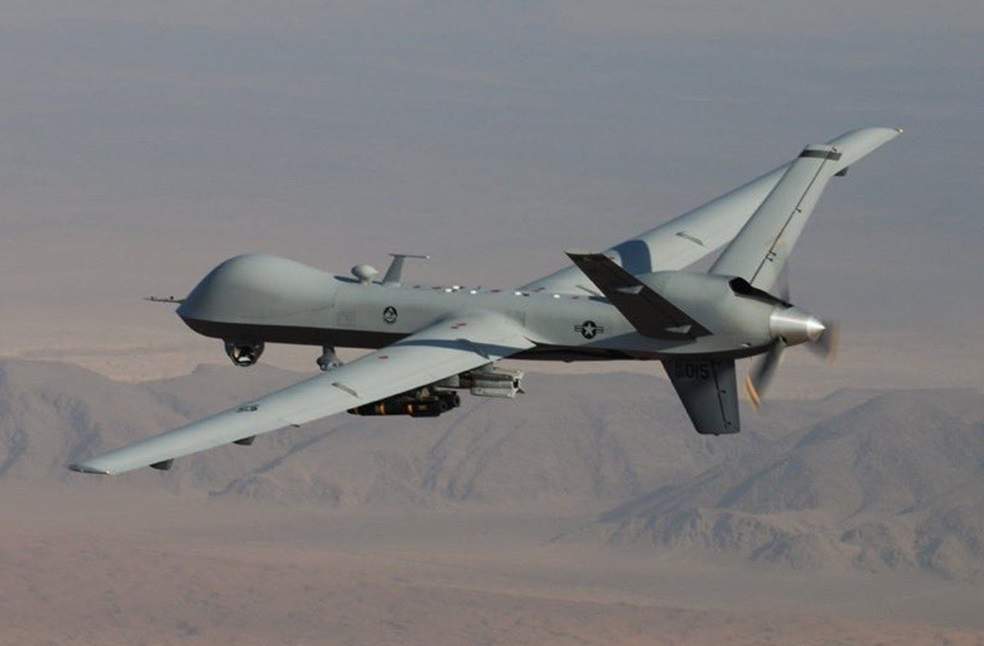
The U.S. State Department on Monday declared that the Trump administration has relaxed U.S. drone export rules to strengthen global competitiveness and accelerate the approval process for international sales.
According to the State Department, unmanned aerial systems will now be reviewed for export under the same guidelines as manned fighter jets such as the F-16, instead of facing the more stringent regulations typically applied to missile systems. This shift signals a notable change from the restrictions set by the 1987 Missile Technology Control Regime (MTCR).
Secretary of State Marco Rubio approved the policy reinterpretation as part of wider arms sales reforms introduced in President Trump’s April 9 executive order focused on modernizing defense trade.
In a statement, the State Department’s Bureau of Political-Military Affairs explained that the policy shift was driven by the urgency to adapt to fast-evolving technological advancements and the growing adoption of unmanned systems by both U.S. allies and rival nations.
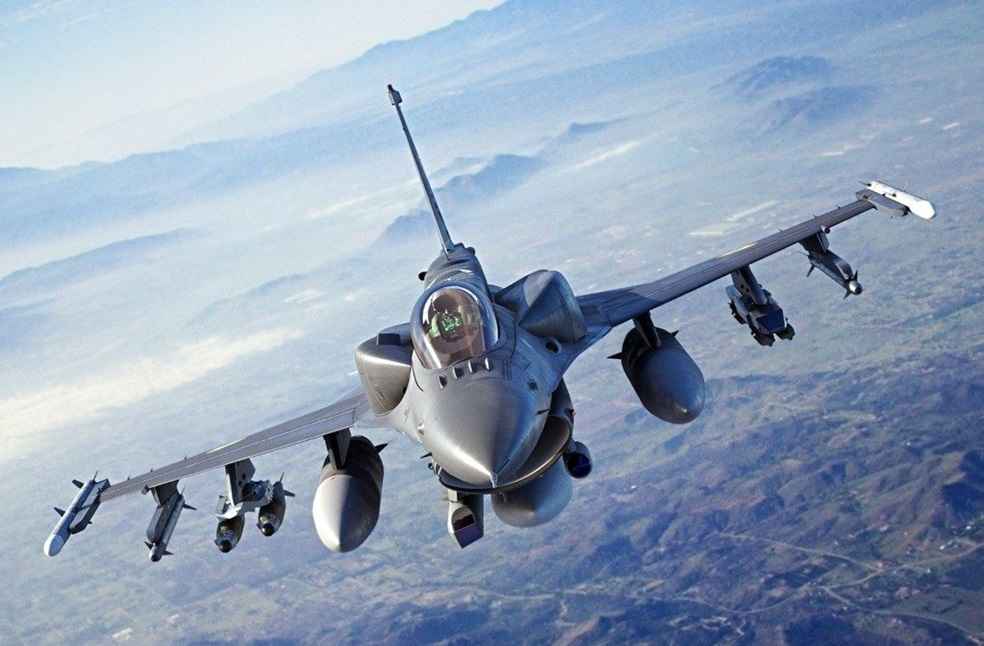
“By treating arms transfer reviews of UAS in a similar manner to manned fighter aircraft, the Department will be able to more efficiently adjudicate foreign defense sales requests, opening new markets for the U.S. UAS industry,” the Bureau of Political-Military Affairs said.
The decision underscores the administration’s effort to reinforce the U.S. defense industrial base and broaden its circle of allies using American military technology.
Since assuming office, U.S. President Donald Trump has consistently expressed dissatisfaction with what he described as a sluggish and overly bureaucratic arms sales system, claiming that such delays undermine American influence and competitive edge. According to officials, the revised drone export policy is intended to tackle these issues, particularly as competitors like China have rapidly increased drone exports in recent years.
ENERGY INDUSTRY | UK, U.S. to Sign Nuclear Power Deals to Cut Russian Fuel Reliance