


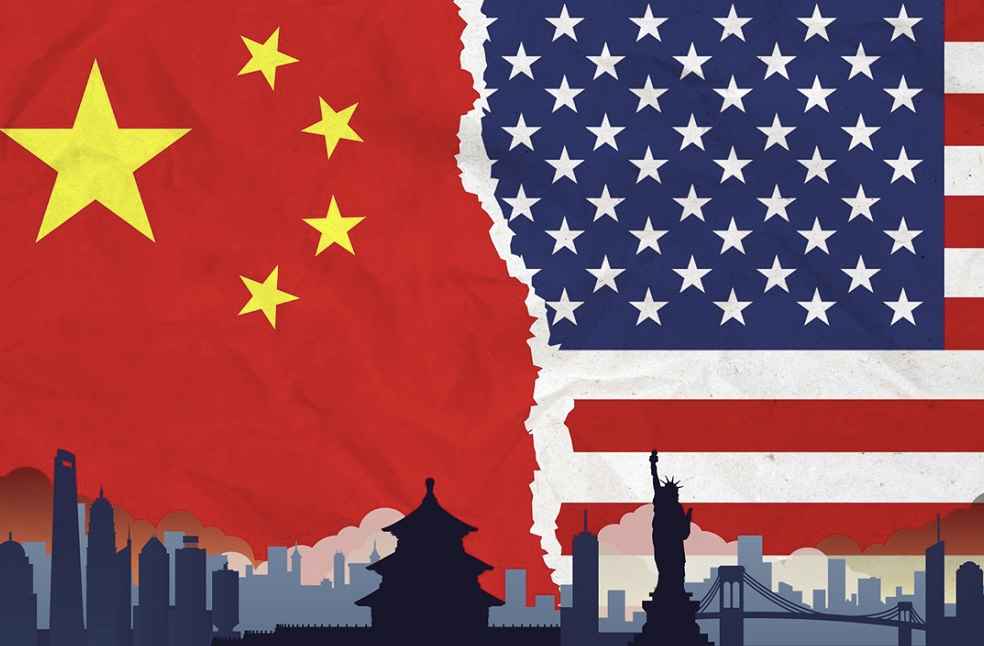
China’s increasing control over rare earth metals is triggering a crisis for the U.S. defense sector, according to a report by The Telegraph. As Beijing slashes exports of vital materials used in manufacturing fighter jets, drones, missiles, and other military hardware, American firms are struggling to meet demand, raising concerns about the risks to national security.
Prices of certain rare earth elements have surged more than 60-fold following Beijing’s decision to restrict exports of these materials for defense use earlier this year. With China controlling roughly 90% of the global supply of rare metals and dominating the production of other critical minerals, experts warn that the country now holds a powerful grip over the U.S. defense industrial base, posing serious strategic risks.
Alongside rare earth export limits, China has also banned shipments of germanium, gallium, and antimony to the U.S. since December. These critical minerals are essential for producing bullets and night vision goggles.
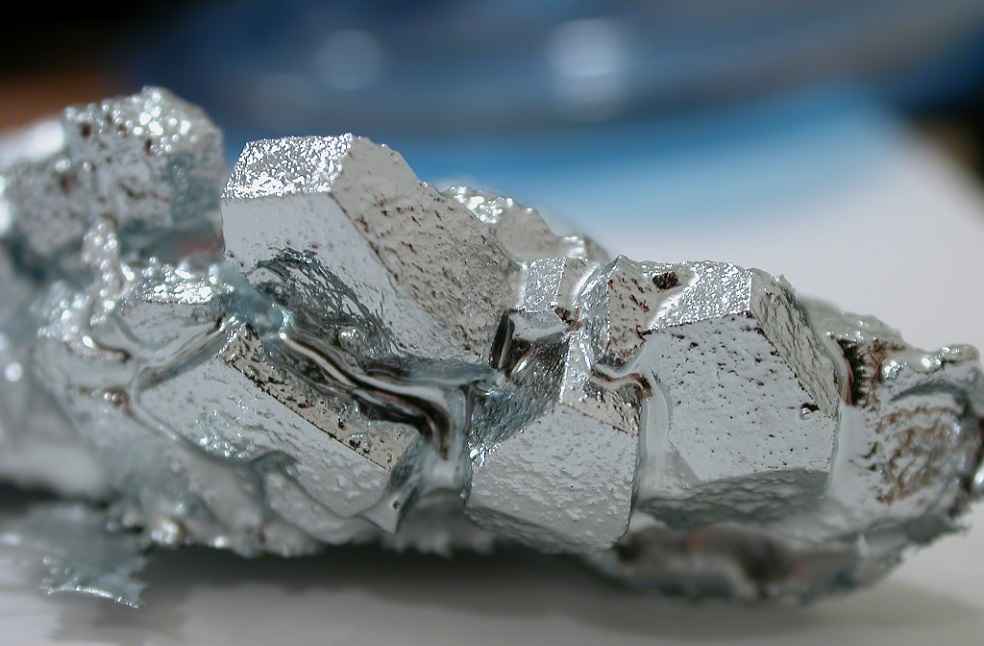
Assembly lines and research labs across the U.S. are under pressure. Bill Lynn, CEO of defense contractor Leonardo DRS, disclosed that the company has already resorted to using its emergency reserves of germanium, a rare metal vital for infrared sensors that are used in missile systems.
Smaller defense companies, particularly those producing drones, are facing even greater challenges. Without the benefit of large inventories, many of the firms are on the brink of pausing production as shipment delays extend, the report adds.
China’s updated rules require overseas purchasers to disclose extensive details about product designs, manufacturing processes, and customer bases to receive shipments of rare earth materials.
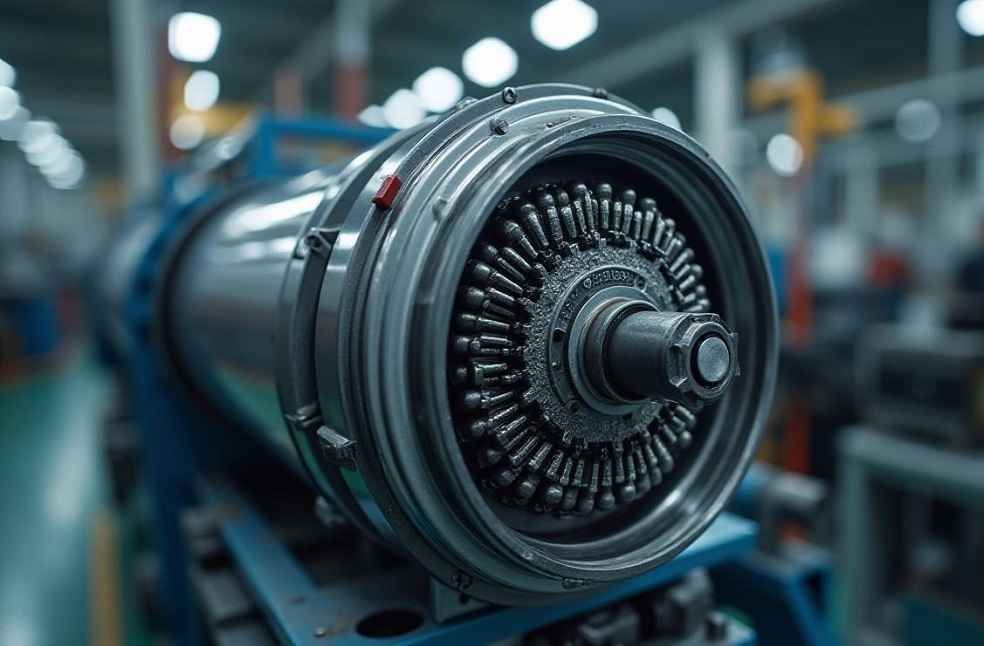
To address this, the U.S. Department of Defense has intensified its push to boost domestic rare earth mining and processing. Earlier this month, the department committed $400 million to MP Materials, the largest rare earth mine operator in the Americas, to help expand the company’s magnet production capacity from 1,000 metric tons in 2025 to 10,000 metric tons over the next decade.
POLICY & LAW | Zimbabwe Bans Import of Second-Hand Clothing to Curb Illegal Trade