


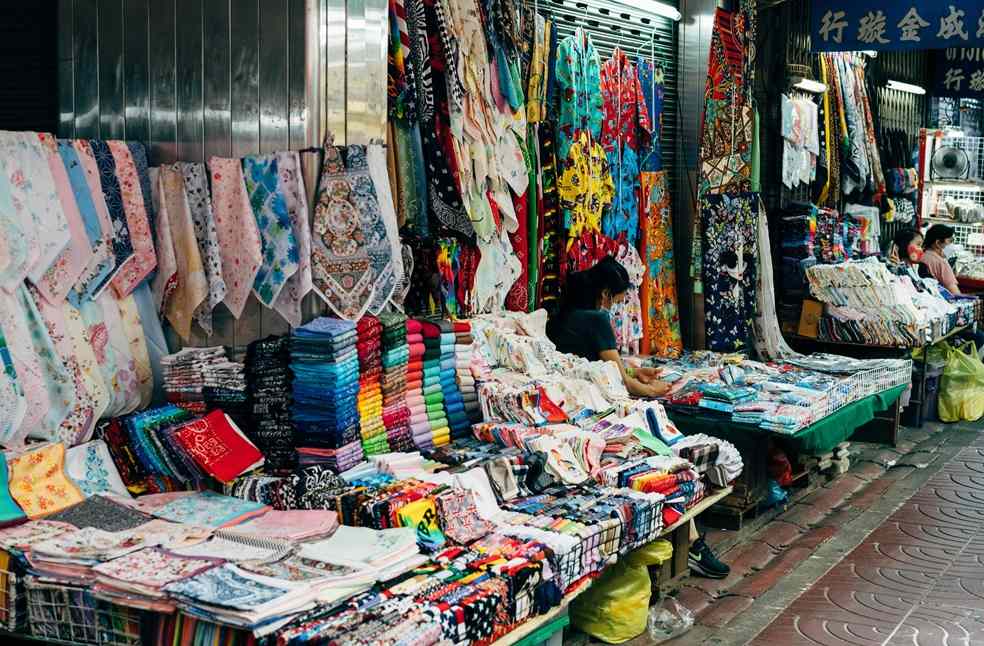
The Zimbabwean government enacted an immediate ban on the import of second-hand clothing on Monday. Local Government and Public Works Minister Daniel Garwe issued the directive during a meeting at Town House, instructing the municipalities to enforce the ban immediately. He also declared a nationwide ban on street vending and nighttime trading.
“The Government has banned the importation and selling of second-hand clothing, and consequently, street and night vending activities are equally banned,” Garwe said.
The government previously attempted to restrict second-hand clothing imports by introducing a similar ban in 2015. However, due to pressure from vendors and informal traders, the ban was reversed in 2017 and replaced with import duties.
The measure is intended to tackle widespread illegal vending, urban congestion, and unsanitary conditions in business districts. Authorities have also linked the sale of second-hand clothing—popular for its affordability—to public health risks and disorder in informal markets.
Enforcing the current ban could be more challenging due to the size of the informal economy. The latest economic census by Zimstat shows that 76% of Zimbabwe’s economy functions informally, with 88% of the workforce employed in informal jobs, many of whom rely on trade.
Street vending is common throughout urban areas, with countless vendors offering goods ranging from fruits and vegetables to apparel and home essentials. Night vending has especially gained traction, as traders benefit from lighter municipal oversight after regular hours.
The directive now tasks local councils with the responsibility of removing affected vendors from city streets and ensuring adherence to the new regulations, with enforcement actions expected to begin in the coming days.
IMEX SECTOR | British Pork Gains Access to Mexico in a New £19M Deal

