


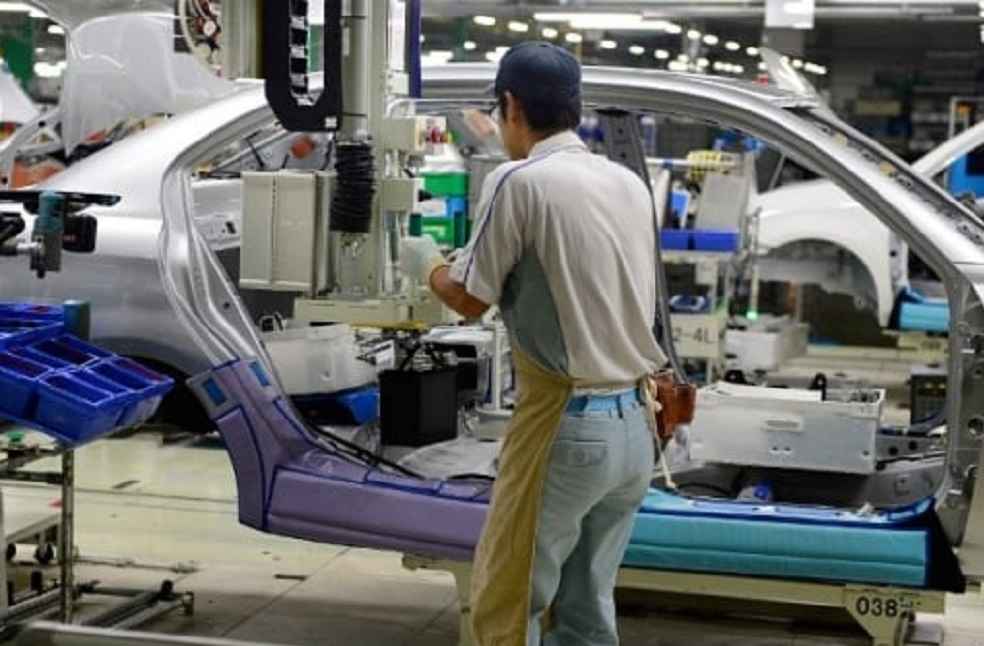
The European Union’s automotive sector welcomed a new trade agreement with the United States as a step toward de-escalation, though it warned of ongoing challenges due to sustained U.S. tariffs on EU vehicles.
German automakers in particular were hit hard on Monday, with shares of Porsche, Volkswagen, BMW, and Mercedes-Benz all falling by over 3% in trading. While the agreement eased recent tensions in transatlantic trade, the 15% U.S. import tariff on EU cars remains a major burden.
The European Automobile Manufacturers’ Association (ACEA) acknowledged the deal as a positive shift that reduces uncertainty, but stressed that the tariffs “will continue to have a negative impact not just for industry in the EU but also in the U.S.”
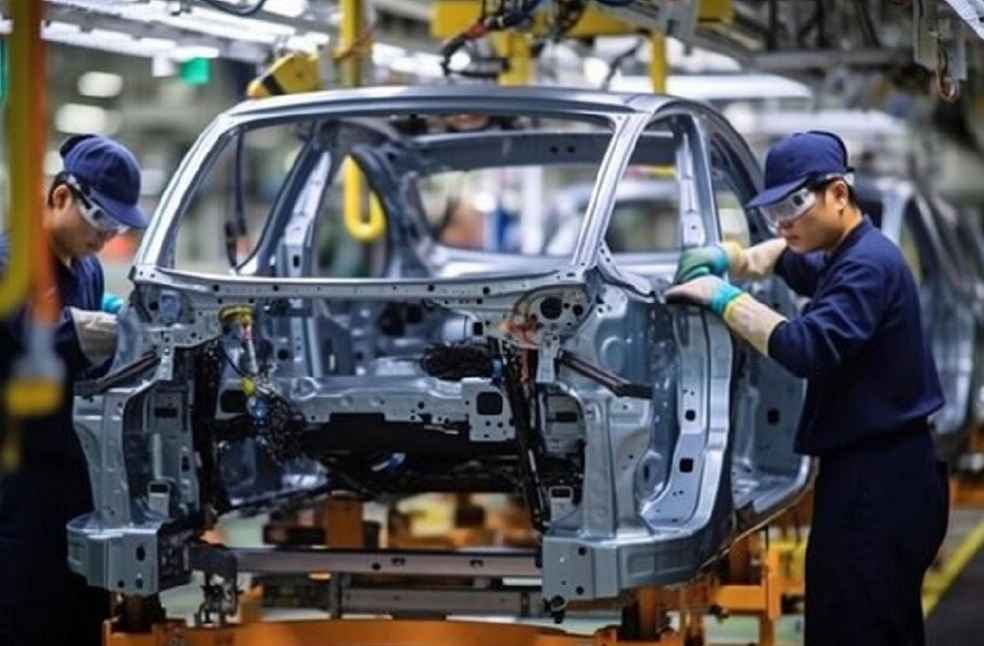
German Chancellor Friedrich Merz admitted that the compromise could still inflict ‘substantial damage’ on Germany’s economy, the largest in Europe, but conceded that “we couldn’t expect to achieve any more.”
Last year, European automakers exported nearly 750,000 vehicles to the U.S., accounting for around a quarter of the EU’s auto exports. The new tariff rate of 15% is lower than the 27.5% previously imposed under President Donald Trump but is significantly higher than the pre-2024 level of 2.5%.
German analyst Stefan Bratzel projected that U.S. consumers would absorb about two-thirds of the resulting price increases, while European car exporters would likely bear the remaining third. “We might have to see whether it is possible for cost-cutting somewhere else,” he added.
The 15% tariff aligns with the rate the U.S. agreed upon in a similar trade deal with Japan. For German carmakers, which send about 13% of their exports to the U.S., the added costs are expected to reach “billions each year,” warned Hildegard Mueller, head of Germany’s national auto association VDA.
Automakers are revising their 2025 profit forecasts and exploring strategies to mitigate financial pressure. BMW CEO Oliver Zipse has floated the idea of Europe removing its own tariffs on American-made vehicles. His company exported 153,000 vehicles from the Americas last year, while importing 92,000 U.S.-assembled cars into Europe.
Mercedes-Benz echoed the call for further policy support, describing the agreement as “a first, important step” that requires follow-up action. “Politicians need to keep working to get rid of obstacles getting in the way of free trade,” a spokesperson said, urging continued EU-U.S. dialogue.
Volkswagen, which builds several models in Mexico for the U.S. market, reported a €1.3 billion ($1.5 billion) year-on-year drop in first-quarter earnings due to the tariffs. Porsche and Audi, both part of the Volkswagen Group and lacking U.S. production, remain vulnerable. Audi cut its revenue and profit projections for this year, though it expects improvement in 2026.
Volkswagen CEO Oliver Blume has suggested negotiating a side deal with the U.S. based on the company’s investment potential in the American market.
Meanwhile, Volvo Cars, owned by China’s Geely Holding, reported steep second-quarter losses linked to the new tariffs.
Facing rising costs and regulatory pressures, the European auto sector is now lobbying the European Commission to delay the planned transition to an all-electric vehicle market and introduce stimulus measures for the industry. Without additional support, the sector may be forced to scale back production significantly.
Ferdinand Dudenhoeffer, director of the Center for Automotive Research, warned that up to 70,000 jobs could be at risk in Germany alone if the current situation continues unaddressed.
MOST POPULAR | U.S. and EU Finalize Trade Agreement with 15% Tariff on EU Imports