


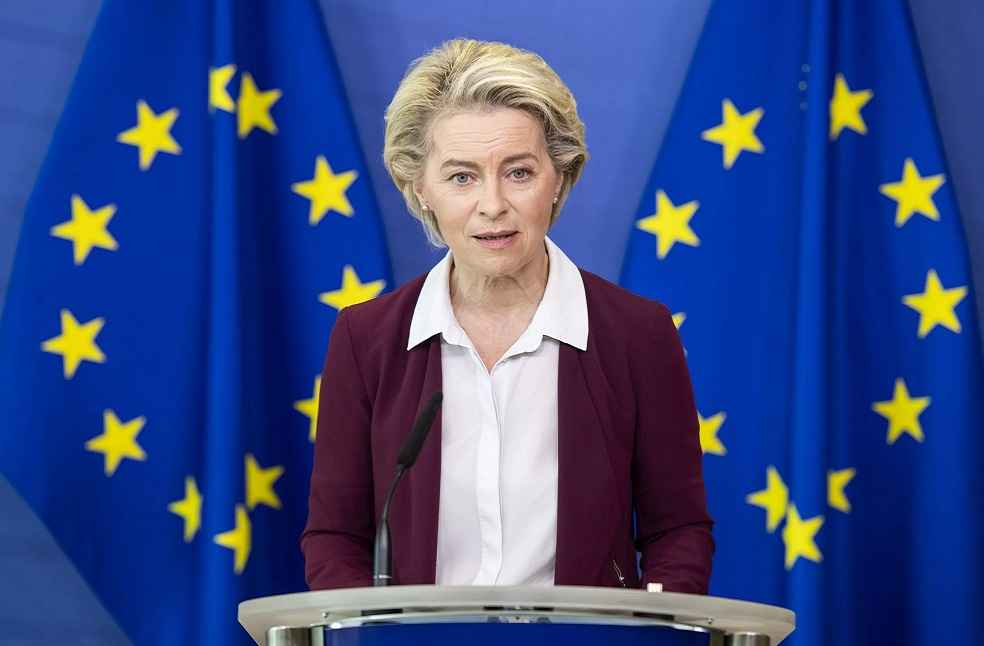
European Commission President Ursula von der Leyen on Thursday stated that the EU and China had agreed on a new mechanism to facilitate the export of rare earth elements and magnets, following Brussels’ push for Beijing to address its trade concerns during the EU-China summit in Beijing.
“We agreed–and this is new–to have an upgraded export supply mechanism. In other words, if there are bottlenecks, this upgraded support supply chain support mechanism can immediately check and solve the problem or the issue that is out there,” she said.
China’s strict restrictions, introduced in early April during a trade dispute with the United States, significantly disrupted the global availability of seven rare earth elements and magnets essential to the defense, energy, and automotive industries.
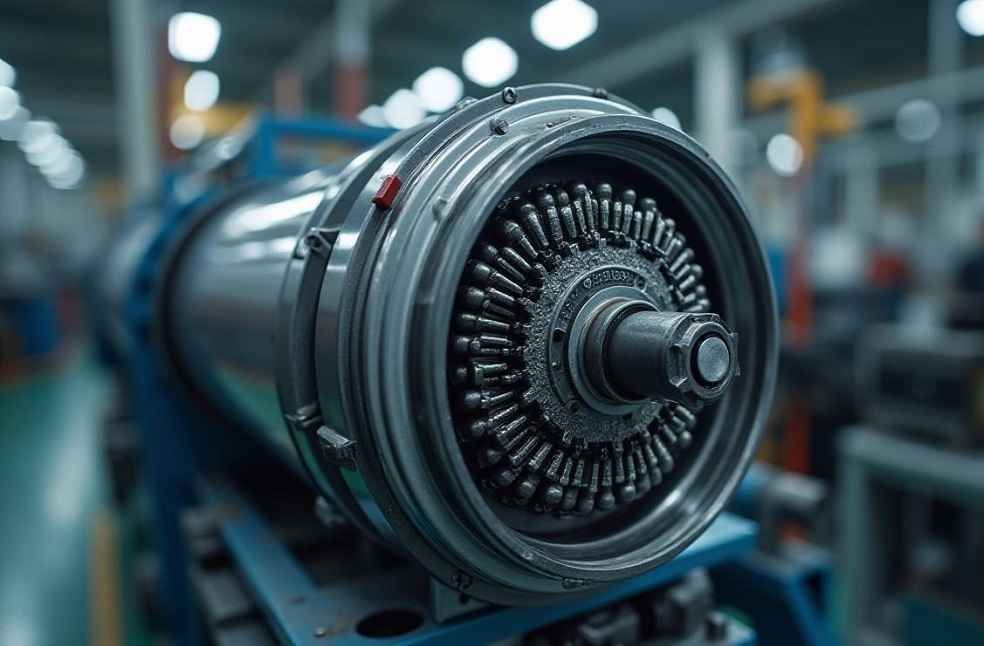
The tight control over rare earth exports has emerged as a major flashpoint in EU-China relations and was a top priority for Brussels during separate meetings with Chinese President Xi Jinping and Premier Li Qiang.
Ursula von der Leyen acknowledged China’s efforts to accelerate licensing for critical raw materials, emphasizing that such progress is essential for establishing trust in the trade. While the exact workings of the newly proposed mechanism remain unclear, von der Leyen admitted it may fall short of the comprehensive solution Europe had hoped for.
She added that the new arrangement will improve transparency around licensing timelines and speed up the delivery of essential raw materials to European companies. If delays occur, the newly established mechanism will allow affected companies to promptly request EU intervention to investigate the cause and resolve the issue. Von der Leyen described this as a practical and forward-looking step toward strengthening trade cooperation.
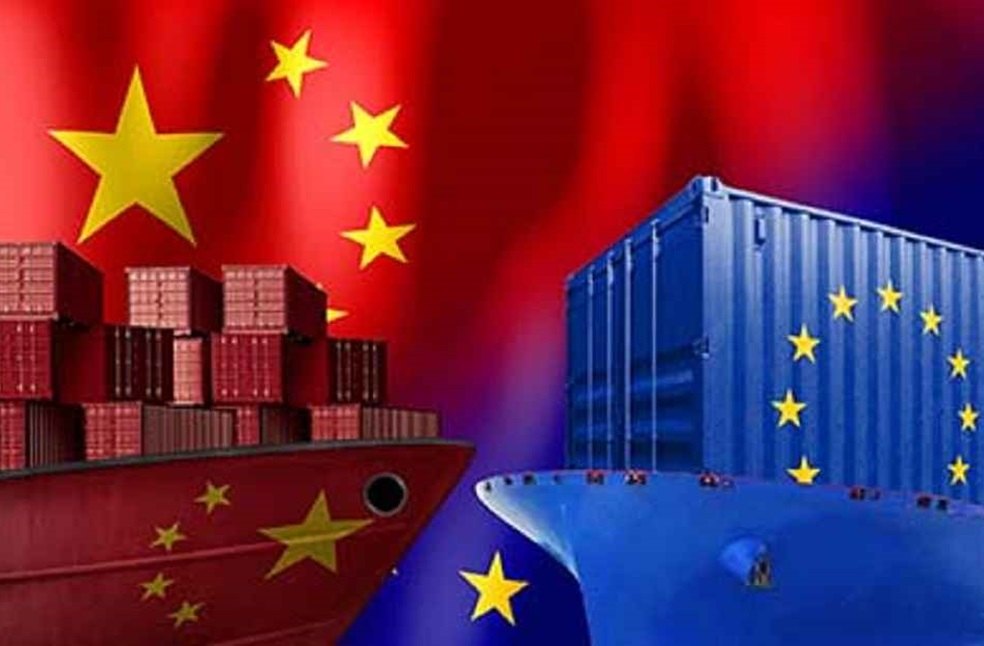
Von der Leyen cautioned Chinese leaders that continued access to the European market could be at risk if Beijing failed to address its industrial imbalances. She described that trade relations had reached an ‘inflection point.
Von der Leyen also pointed out that in key industries such as steel, solar panels, electric vehicles, and batteries, China’s state-subsidized production far exceeds domestic demand, resulting in excess supply being redirected to foreign markets.
FASHION INDUSTRY | Korea Launches Global K-EXPO to Boost Cultural Exports

