


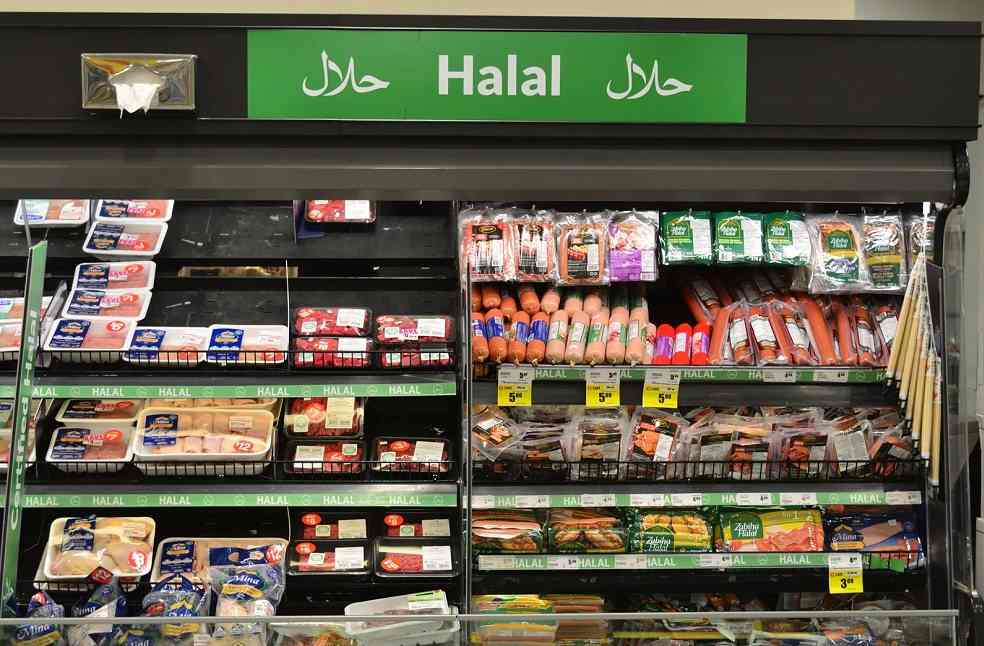
Vietnam is actively exploring opportunities to expand its exports to the global Halal market, aiming to strengthen its presence in key regions such as the Gulf Cooperation Council (GCC) and South Asia. Experts emphasize that while the market holds immense potential, successful entry requires a deep understanding of Halal standards, consumer behaviour, and trade practices.
At a seminar held on July 14 in Ho Chi Minh City, co-hosted by the Ho Chi Minh City Centre of International Integration Support (CIIS) and the Department of Overseas Markets under the Ministry of Industry and Trade (MoIT), officials and trade experts discussed both the opportunities and barriers facing Vietnamese exporters in Halal markets.
Do Quoc Hung, Deputy Director of the Department of Overseas Markets, highlighted that tapping into the Halal market aligns with Vietnam’s strategy to diversify export destinations. The global Halal industry, serving over two billion consumers, around a quarter of the world’s population, is valued in the trillions of U.S. dollars annually.
The GCC region, comprising Saudi Arabia, the UAE, Qatar, Kuwait, Bahrain, and Oman, was identified as a major hub in the global Halal supply chain. With high per capita income and heavy dependence on imported goods such as food, cosmetics, and pharmaceuticals, the region offers Vietnamese exporters significant opportunities.
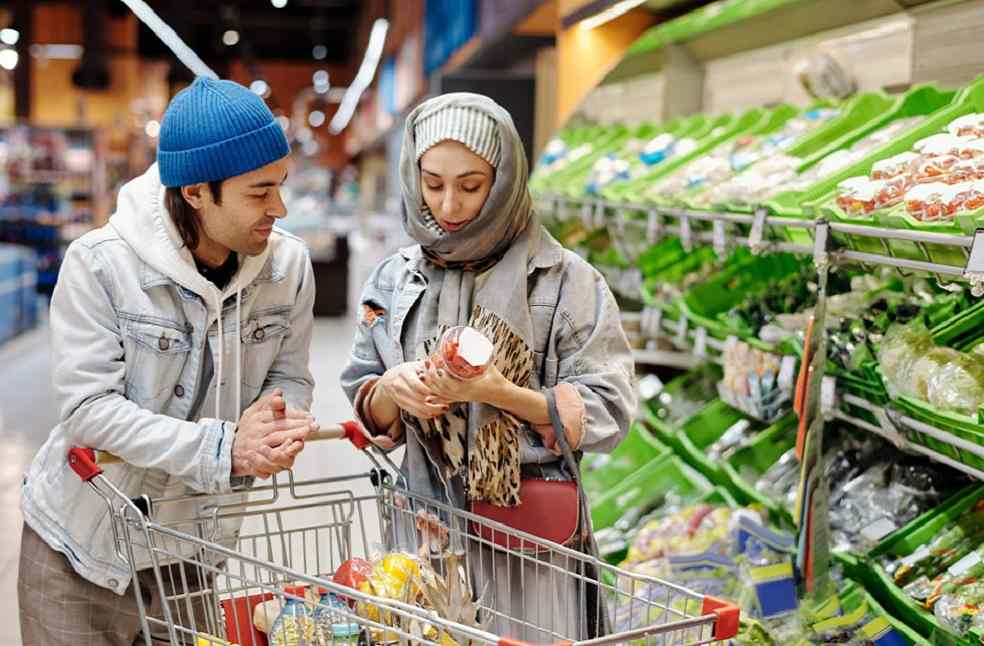
In 2024, Viet Nam–GCC trade reached $18 billion, with Vietnamese exports accounting for $7.5 billion. The upcoming Vietnam–UAE Comprehensive Economic Partnership Agreement (CEPA) is expected to further boost this growth.
South Asia, home to roughly 600 million Muslims, also represents a promising Halal market, especially in countries like Pakistan and Bangladesh. Exporters must address cultural sensitivities, strict Halal certification requirements, and various regulatory challenges to gain a foothold.
Nguyen Minh Phuong, Head of the West Asia–Africa Division at MoIT, pointed out that GCC countries import up to 90% of their food due to limited domestic production. Consumers in the region prefer premium brands and are less price-sensitive, favouring products such as processed foods, seafood, coffee, instant noodles, natural cosmetics, eco-friendly textiles, and Halal-certified household goods.
She also noted that the large expatriate communities from South and Southeast Asia in the GCC provide a natural market for Vietnamese products due to similar consumption habits. Vietnam’s geographic proximity to Halal markets in the UAE, Malaysia, and Indonesia offers further strategic advantages.

Several Vietnamese companies, such as Vinh Hoan, Cau Tre Export Goods Processing JSC, and Trung Nguyen Coffee, have already established a presence in the Halal market. However, challenges remain, including the absence of a unified global Halal certification system, complex customs procedures, and delayed payment mechanisms.
Le Thi Mai Anh, Head of the Southeast Asia–South Asia and Regional Cooperation Division at MoIT, highlighted that South Asia’s Halal food spending ranges between $70 and $100 billion annually, driven by a growing young middle class and rising demand for processed foods, cosmetics, and health supplements. Consumers in this region are highly price-sensitive but increasingly prefer organic, small-packaged goods, often purchased online.
To compete effectively, experts urge Vietnamese businesses to focus on their core strengths, adhere strictly to Halal standards, build strategic partnerships with local distributors, and make full use of trade promotion platforms.
Nguyen Thi Ngoc Hang, Marketing Director at Halal Certification Authority (HCA Vietnam), stressed that Halal certification covers the entire supply chain, from raw materials and production to transport and storage. Certification is granted for individual products, not entire businesses, requiring a long-term, product-specific strategy.
BUSINESS GENERAL | Global Tuna Market Faces Shift Toward Value-Added Products