


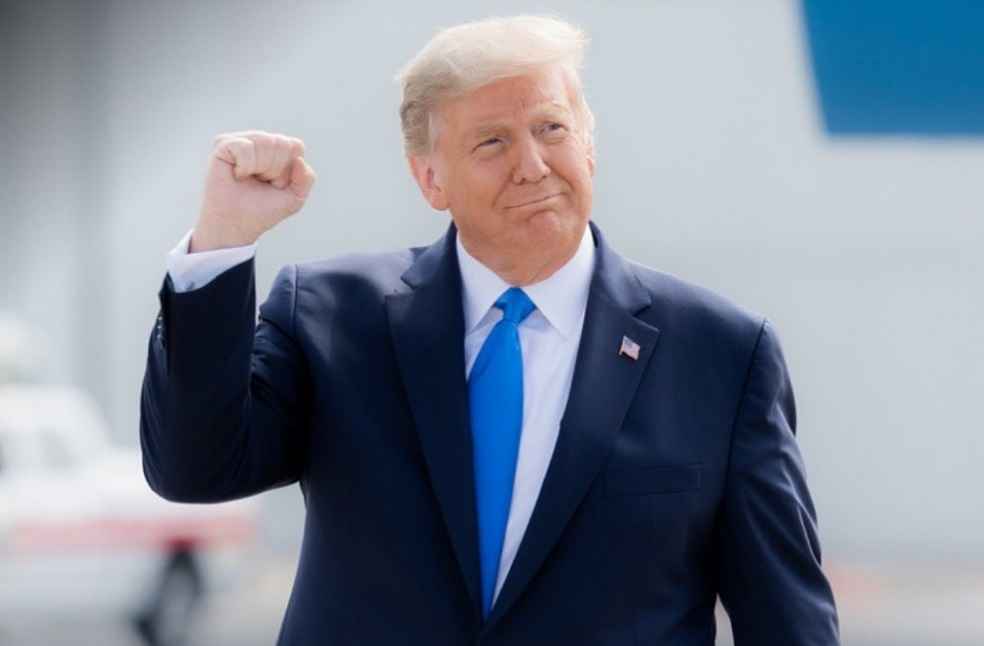
President Donald Trump has announced a new round of tariffs, declaring a 30% levy on imports from the European Union and Mexico effective August 1. The move, outlined in letters posted on his social media account on Saturday, marks a major escalation in his broader trade strategy and revives one of the core themes of his 2024 campaign.
In his message to Mexico’s leadership, Mr. Trump acknowledged past cooperation in curbing illegal immigration and the flow of fentanyl into the United States but criticized Mexico for not doing enough. “Mexico has been helping me secure the border, BUT, what Mexico has done, is not enough,” he stated, accusing the country of allowing North America to become a ‘Narco-Trafficking Playground.’
In a separate letter to the European Union, the former president cited the U.S. trade deficit as a national security threat, blaming the EU’s ‘tariff, non-tariff policies, and trade barriers’ for the imbalance. “Our relationship has been, unfortunately, far from Reciprocal,” he wrote.

The newly announced tariffs are part of a broader wave of trade measures affecting 24 countries and the 27-member EU bloc. They mark a sharp departure from long-standing global trade rules, particularly those established under the Uruguay Round and the ‘most favored nation’ principle, which prohibits discrimination among trade partners.
Earlier in the week, EU chief trade negotiator Maroš Šefčovič had expressed optimism about a potential agreement that could prevent heightened tariffs. Speaking to lawmakers in Strasbourg on July 9, he said that further negotiations might yield a deal “even in the coming days.”
The EU remains one of the largest trading partners of the United States, exporting over $553 billion worth of goods to the U.S. in 2022, according to the Office of the U.S. Trade Representative.
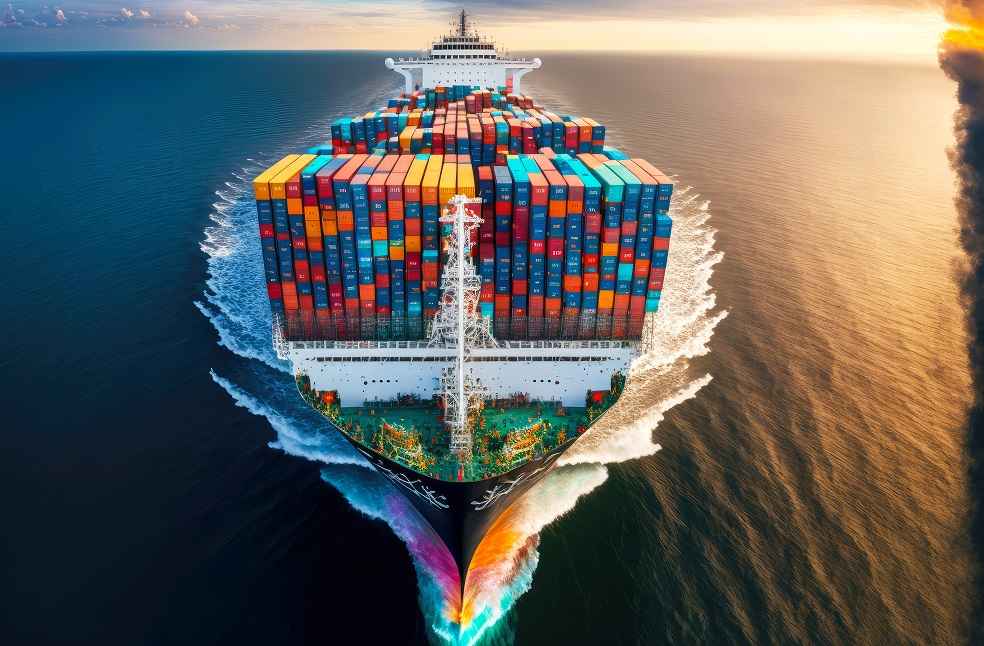
Trump had previously proposed a 20% tariff on EU goods in April and raised the threat to 50% due to what he described as slow negotiations. While those proposed increases were temporarily suspended pending ongoing talks, existing tariffs of 10% on most goods, 25% on autos, and 50% on steel and aluminium remain in effect.
Douglas Holtz-Eakin, former director of the Congressional Budget Office and president of the American Action Forum, criticized the latest tariff announcements as an attempt to attract political attention rather than foster serious trade discussions.
“In the end, these are letters to other countries about taxes he’s going to levy on his citizens,” Holtz-Eakin said, warning that affected nations are increasingly discussing how to shield themselves from U.S. trade policy while bypassing Washington altogether.
POLICY & LAW | India’s COPP Submission Shift Raises Concerns for Pharma Exporters