


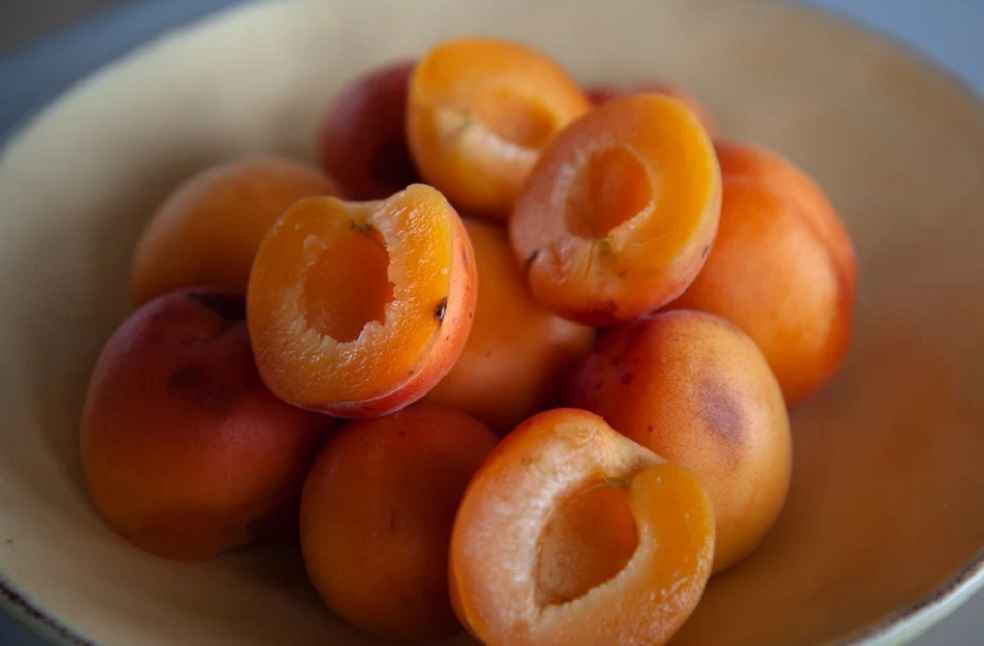
Georgia-grown peaches are being exported to Mexico for the first time in nearly three decades. The achievement comes from a partnership between Genuine Georgia and Atlanta-based food safety technology firm Reveam, which made it possible to meet Mexico’s strict import rules.
Since 1994, peaches from the southeastern U.S. have been banned from entering Mexico due to pest concerns. The restriction has now been overcome using Reveam’s proprietary Electronic Cold-Pasteurization (ECP) technology, approved by the U.S. Department of Agriculture (USDA). This advanced, chemical-free treatment uses electron beam technology to eliminate pests and pathogens while preserving the fruit’s quality and freshness.
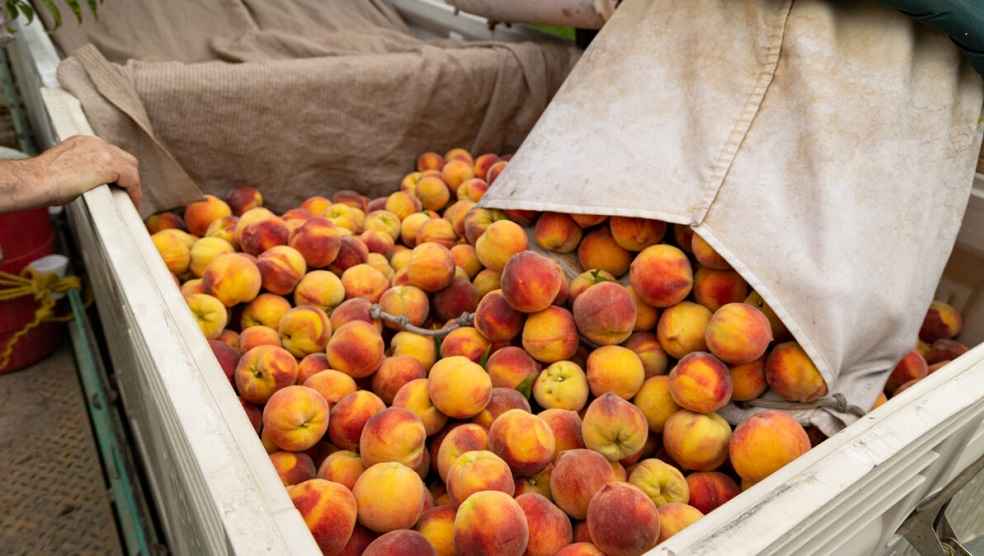
Through this collaboration, 42,000 pounds of Georgia peaches were successfully shipped to Mexico, an important step forward in expanding international market access for Georgia’s fruit growers.
Georgia Agriculture Commissioner Tyler Harper praised the development as a win for local farmers, calling it a model for using innovation to reduce trade barriers and improve food safety. “Expanding access to reliable markets is critical to the continued success of our state’s top industry,” he said.
Chip Starns, Reveam’s co-founder and chief regulatory officer, highlighted the broader implications of the breakthrough. “This is more than just market access. It’s a transformation for Southeastern agriculture, offering new consumer reach, reduced waste, and compliance with the world’s toughest safety standards,” he said.
The reopening of the Mexican market holds strong promise. “There are a lot of peach eaters in Mexico,” said Duke Lane, president of the Georgia Peach Council. “In Mexico City alone and surrounding areas, that’s over 22 million potential customers.”

Efforts to pursue exports began years ago, with Georgia growers working closely with the Georgia Department of Agriculture, the USDA, and Mexican authorities to meet phytosanitary standards. The launch of Reveam’s USDA-approved ECP treatment facility in the Rio Grande Valley of Texas played a key role in the final phase of approval.
Each shipment is now inspected and certified by USDA and Georgia Department of Agriculture officials to ensure compliance with international standards. The success of this initiative not only strengthens Georgia’s standing in global specialty crop production but also opens a new chapter in U.S.–Mexico agricultural trade.
A future Georgia-based ECP facility near the Port of Savannah is also in the works, which is expected to further support the state’s growers in reaching global markets.
BUSINESS GENERAL | U.S. and Nigeria Launch CIP Working Groups to Boost Trade Ties