

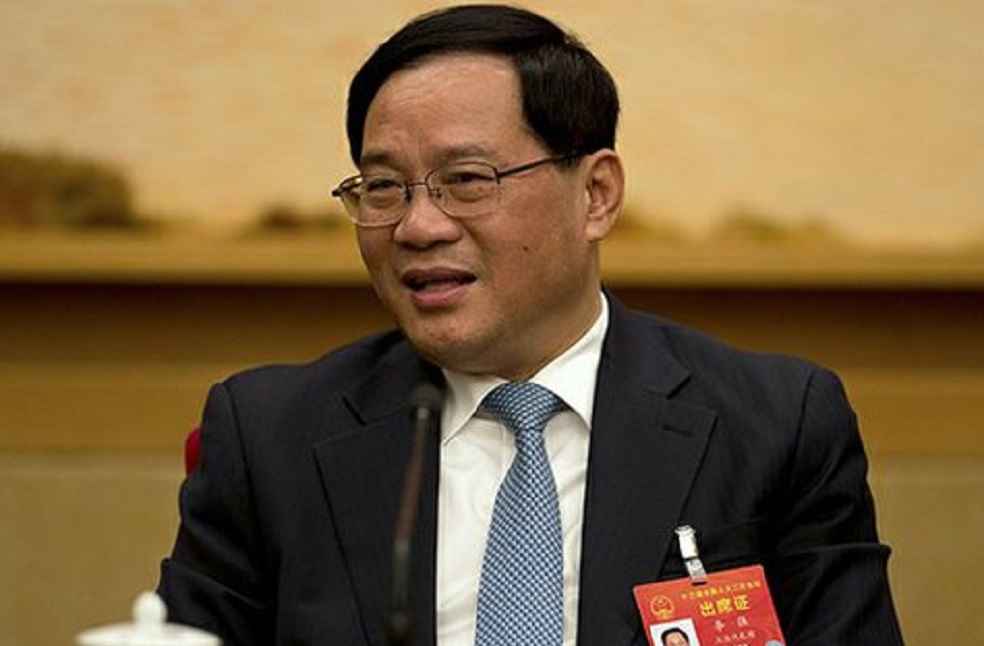
Chinese Premier Li Qiang has warned that global trade tensions are deepening, citing a rise in protectionist measures and economic friction worldwide. Speaking at the opening of the World Economic Forum’s ‘Summer Davos’ in Tianjin on Wednesday, Li underscored the risks posed by increasing global economic fragmentation, in what was widely interpreted as a reference to trade policies initiated under U.S. President Donald Trump.
“Protectionist measures are significantly increasing, and global economic and trade frictions are intensifying,” Li stated, while stressing that no country can thrive in isolation given the deeply interconnected nature of the global economy.
Li advocated for multilateral cooperation over unilateralism, warning against a global order dictated by the ‘law of the jungle,’ where the strong dominate the weak, especially in economically challenging times.
Despite acknowledging internal economic pressures such as slowing growth and reduced consumer spending, the Chinese Premier projected confidence in the country’s economic trajectory. He said China remains a pillar of stability for global recovery, bolstered by its strong manufacturing base and rising domestic demand.
“China’s economy continues to grow steadily, providing strong support for the accelerated recovery of the global economy,” he noted, adding that China is striving to become a major consumption hub.
Beijing has set an annual growth target of around 5%, seen by many economists as a high bar, amid efforts to spur consumption through policy measures such as interest rate cuts and housing incentives. However, progress has been uneven, with ongoing U.S. tariffs continuing to pressure China’s export-reliant manufacturing sector.
Li used the international forum to position China as a defender of the rules-based global trade system, voicing concern over rising unilateralism, a sentiment mirrored in remarks by President Xi Jinping a day earlier during a meeting with Singaporean Prime Minister Lawrence Wong.
Xi urged world leaders to reject a resurgence of hegemony and protectionism. Echoing these concerns, Prime Minister Wong called for continued economic integration, arguing that it provides a more stable foundation for peace than a ‘me first’ attitude.
Vietnamese Prime Minister Pham Minh Chinh also contributed to the dialogue, pointing to Vietnam’s strategic balance, maintaining strong trade ties with both the United States and China, as an example of pragmatic diplomacy in an increasingly volatile global environment.
Pham Minh Chinh urged nations to remain adaptable, warning that world affairs have become increasingly “topsy-turvy.”
POLICY & LAW | Carbon Rules Threaten South Africa’s Export-Driven Economy