


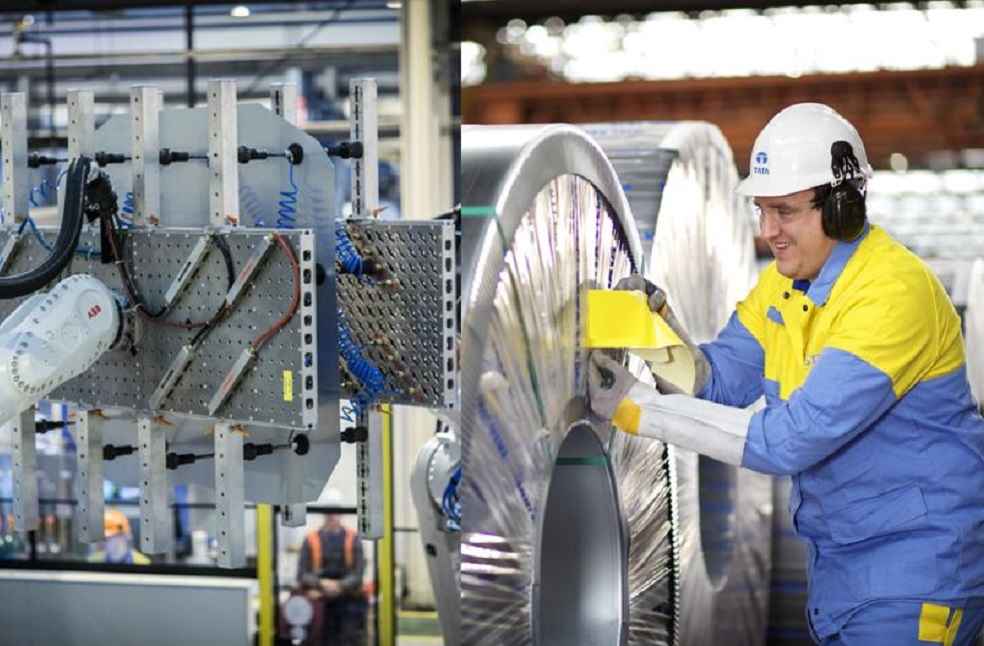
Canada will implement new trade measures to address the oversupply of steel and aluminum imports and will revise tariffs on U.S. goods as global trade policies continue to fuel industrial disputes.
Prime Minister Mark Carney declared on Thursday that Canada plans to ‘adjust’ its 25% retaliatory tariffs on U.S. steel and aluminum, depending on the outcome of trade discussions with Washington by July 21. As part of its anti-dumping strategy, Canada will also impose new tariffs on any steel imports exceeding 2024 levels from nations without a free trade agreement (FTA). These steps follow U.S. President Donald Trump’s controversial decision earlier this month to double tariffs on Canadian steel and aluminum, a move Canada has labeled ‘catastrophic.’
Canada has free trade agreements with 51 countries, including the United States, Mexico, the European Union, Australia, and Japan. However, major steel-producing nations such as China, India, Taiwan, Turkey, and Russia do not have trade agreements with Canada. These countries have been accused of selling steel at low prices to gain market share, a practice known as dumping. If steel shipments from these non-partner countries exceed 2024 volumes, a 50% tariff will be applied.
Carney stated that the initiative will boost the competitiveness of the Canadian steel sector, which has faced setbacks in U.S. markets following steep tariffs imposed by President Trump. The plan is intended to promote domestic usage by making foreign steel imports less economically viable for Canadian businesses.
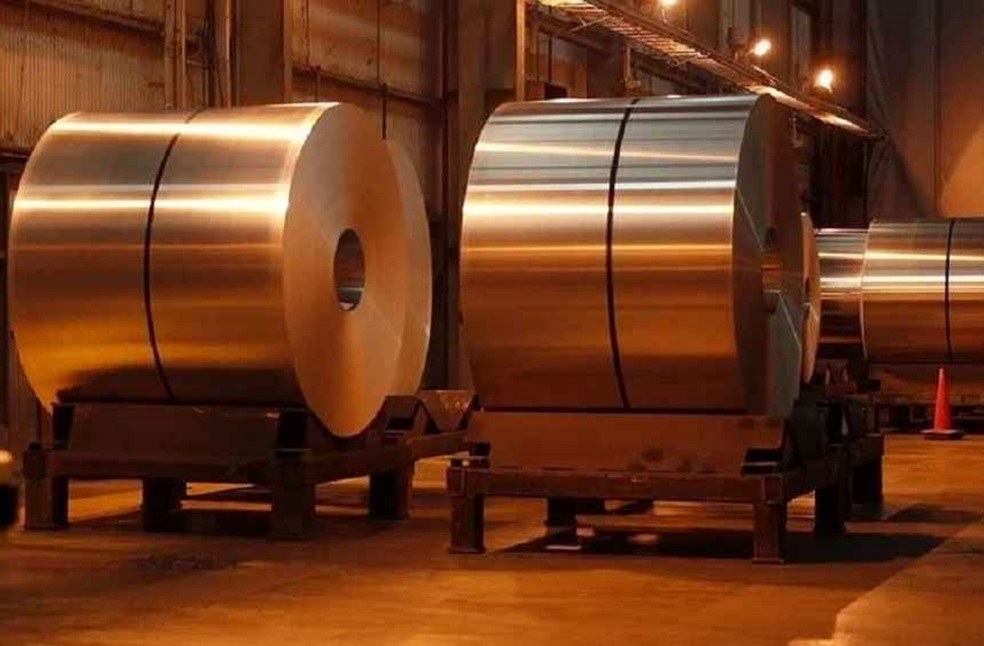
Canada remains the major source of steel and aluminum for the United States. Earlier this month, Carney strongly criticized the U.S. decision to double tariffs on Canadian metal imports, condemning the move as ‘unjustified and illegal.’
The minister also noted that the government is weighing further tariff actions in the coming days to limit additional foreign steel imports and tackle what he described as ‘persistent global overcapacity and unfair trade.’
BANKING & FINANCE | China Expands Yuan Payment System Across Asia, Africa