


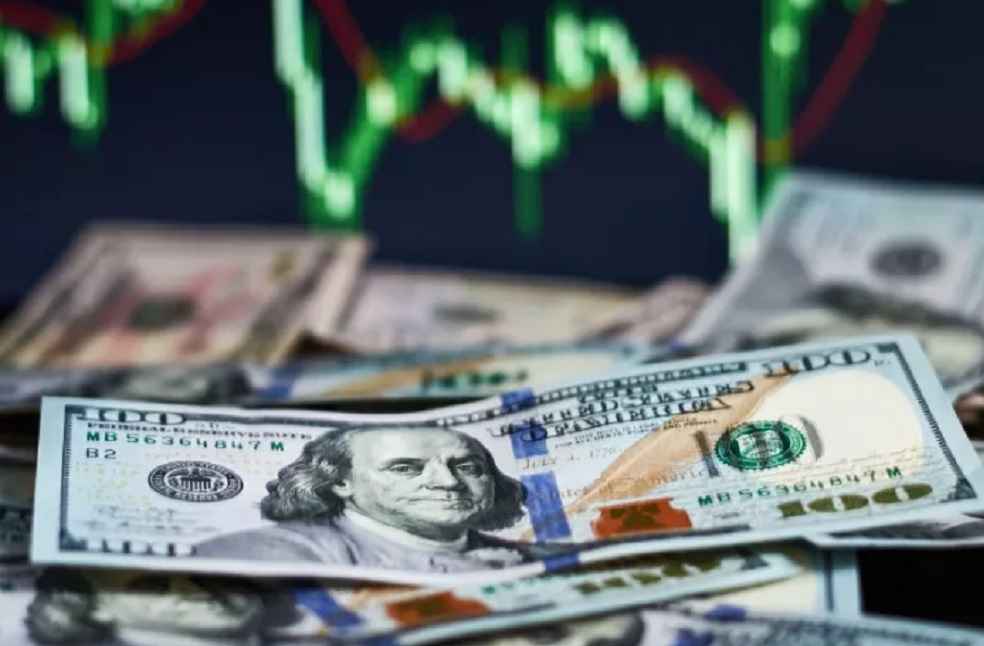
A regional push to reduce reliance on the U.S. dollar is accelerating across Asia, as BRICS and ASEAN economies increasingly promote local-currency trade and investment, signaling a significant shift in global financial dynamics.
According to CNBC, the trend is driving currency hedging activity to record levels while challenging the long-standing dominance of the dollar in international commerce.
Data from the International Monetary Fund (IMF) shows the dollar’s share of global foreign exchange reserves fell to 57.8% in 2024, down from over 70% in 2000, reflecting growing unease over geopolitical risks, currency volatility, and the use of the dollar in sanctions. The decline coincided with a notable drop in the dollar index earlier this year, prompting increased investor demand for local currency exposure, particularly in Asia.
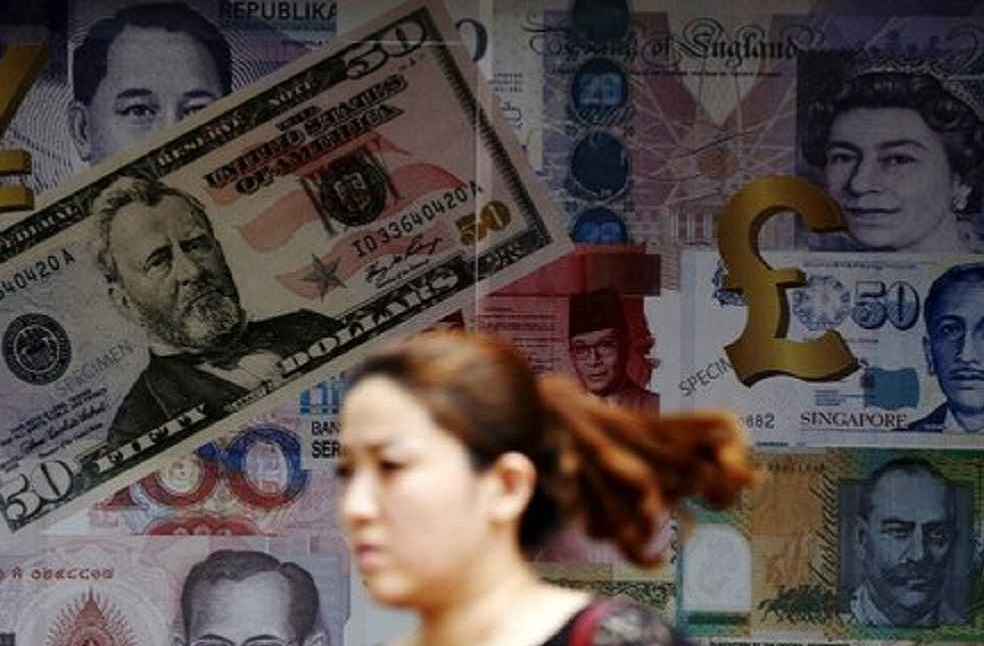
As part of this shift, the Association of Southeast Asian Nations (ASEAN) has outlined a strategic plan for 2026–2030 aimed at expanding local-currency usage in trade and investment while strengthening regional payment systems. The plan was formally endorsed in May.
Meanwhile, BRICS member states are actively advancing bilateral trade in domestic currencies and developing alternatives to Western-controlled systems such as SWIFT. Lin Li, Head of Global Markets Research for Asia at Mitsubishi UFJ Financial Group, noted that de-dollarization is gaining traction as economies seek to reduce foreign exchange risk and establish greater currency autonomy.
Nomura Securities’ Global Head of FX Strategy, Craig Chan, highlighted strong performers such as the Japanese yen, Korean won, and Taiwan dollar. Nomura reported that Japanese life insurers increased their hedge ratio from 44% to 48% between April and May, while Taiwan’s hedge ratio reached 70%.
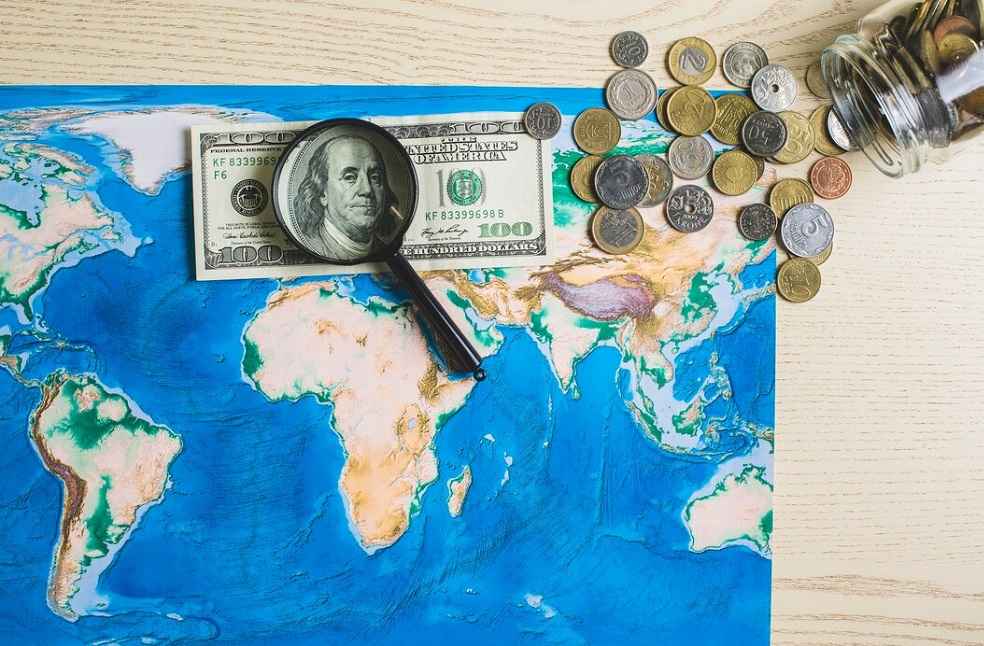
Abhay Gupta, Asia Fixed Income and FX Strategist at Bank of America, said ASEAN de-dollarization is advancing as foreign currency deposits amassed since 2022 are increasingly being converted to local units. Mitul Kotecha of Barclays pointed to a broader strategic reorientation: “Countries are realizing the dollar can be used as a tool in sanctions and trade restrictions, this has driven much of the change.”
Francesco Pesole, FX Strategist at ING, said that political volatility and the dollar’s recent depreciation, particularly under former U.S. President Donald Trump’s trade policies, have accelerated the move away from the greenback.
However, Pesole added that despite the shift, “no other currency holds the same liquidity, depth of bond and credit markets as the dollar,” suggesting the transition may be prolonged and complex.
ORGANIZATIONS NEWS | Pakistan, Saudi Arabia Launch Minerals Processing Hub to Boost Exports
