


South Africa has surpassed Nigeria as Africa’s largest fuel importer, according to a report from energy consultancy CITAC. The shift marks a major transformation in the continent’s downstream oil market as Nigeria scales back its fuel imports following the ramp-up of operations at the Dangote Petrochemical Refinery.
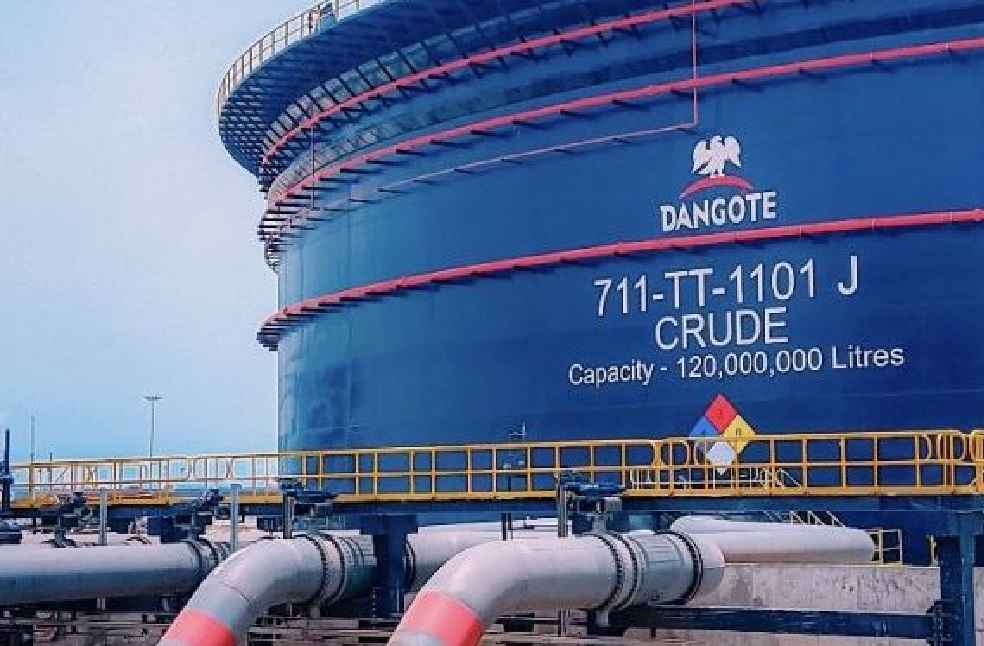
Since early 2024, the refinery has enhanced large-scale production, significantly altering trade patterns across sub-Saharan Africa and transforming the region’s energy landscape. With a refining capacity of 650,000 barrels per day, it stands as the largest single-train refinery globally. Its increasing output is drastically cutting Nigeria’s reliance on petrol imports.
As per the latest data from CITAC consultancy on Wednesday, Nigeria imported 3.1 million metric tons of refined petroleum products in the first quarter of 2025. Meanwhile, South Africa recorded 4.2 million tons in imports, solidifying its position as Africa’s largest fuel importer.
Elitsa Georgieva, executive director at CITAC, noted that Nigeria’s fuel imports have been declining due to the sustained operations of the Dangote Refinery. Since the beginning of 2025, South Africa has continued to be the top fuel importer in sub-Saharan Africa. At the same time, crude processing across the region’s refineries saw a 77.8% year-on-year increase in 2024, climbing from 382,500 barrels per day in 2023 to 680,100 barrels per day in 2024.

The report further projected that Nigeria’s refined fuel imports will decline to 6.4 million tons in 2025, amounting to less than half of South Africa’s expected 15.5 million tons for the year.
Experts suggest that Nigeria’s decreasing reliance on imports could strengthen the naira, ease the strain on foreign exchange reserves, and help reduce trade deficits. This transition also carries fiscal consequences for the government, which has traditionally allocated substantial funds to subsidize imported fuel.
POLICY & LAW | Thailand Unveils 10 New Policies to Boost Export Growth