


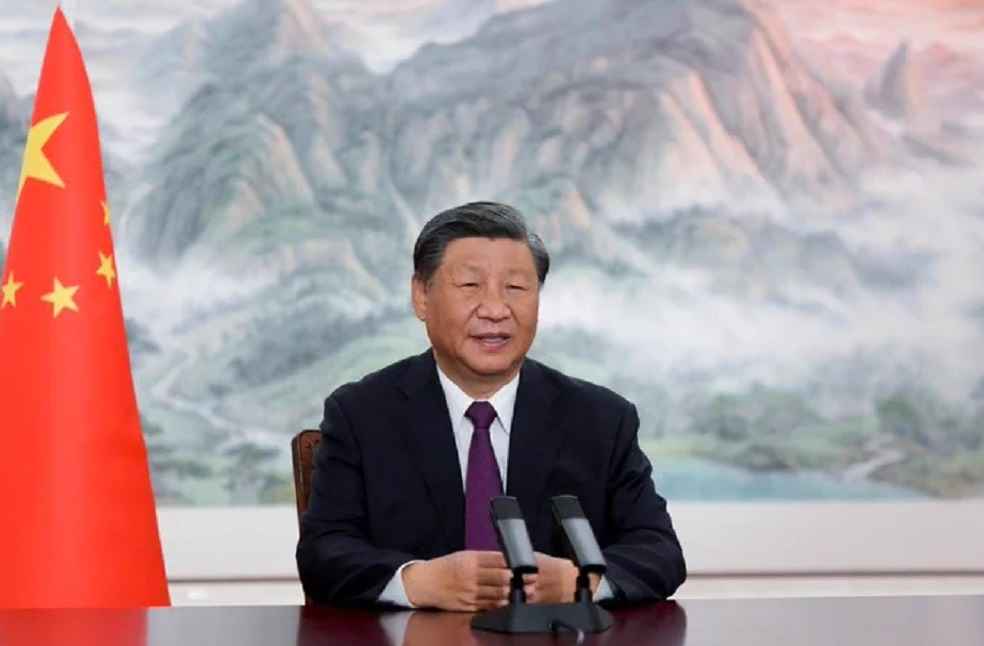
Chinese President Xi Jinping has signalled a stronger policy focus on domestic demand as China confronts mounting global trade pressures and questions over the sustainability of export-led growth.
Speaking during the December Central Economic Work Conference, Xi called for consumption and investment to become the main engines of economic expansion, reflecting a strategic adjustment as external markets grow more uncertain.
His remarks highlighted the need to strengthen internal economic resilience at a time when rising protectionism and intensified competition are reshaping global trade dynamics.
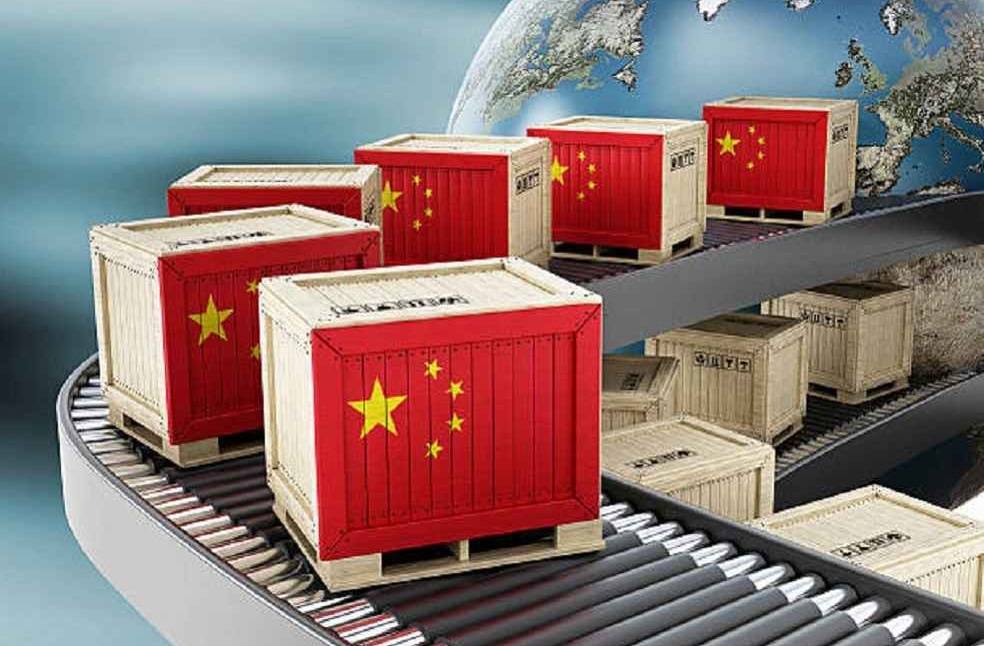
China’s economy expanded by about 5% last year, supported in part by a record trade surplus and robust semiconductor shipments. Officials acknowledged that export strength has masked underlying weaknesses, including soft domestic consumption and declining investment, particularly in the property sector.
Beijing’s policy direction places renewed emphasis on stimulating consumer spending, boosting household incomes through higher wages and pensions, and supporting long-term sustainable growth.
Innovation remains central to the country’s development strategy, with authorities planning measures to foster emerging industries while reinforcing purchasing power through targeted policy support.

Public welfare projects are expected to play a larger role in economic planning, alongside efforts to stabilize the property market and create employment opportunities for graduates and migrant workers.
Despite ongoing trade tensions with the United States, the government is not pursuing a large-scale stimulus program. Instead, policymakers intend to maintain a controlled fiscal deficit and steady levels of government spending through 2026, signalling a cautious and measured approach to economic management.
POLICY & LAW | Trade Curbs Alone Won’t Stop Shark Overfishing, Study Says