


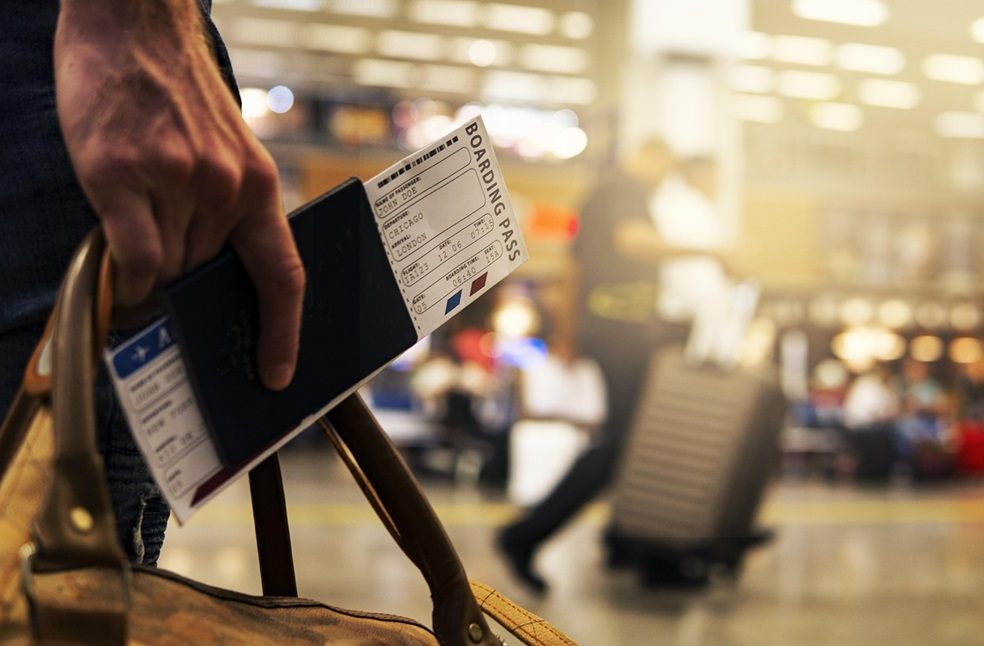
The World Travel & Tourism Council (WTTC) has expressed concern over proposed modifications to the U.S. ESTA program, cautioning that the changes could severely affect the nation’s travel sector and result in a substantial decline in international arrivals.
A recent WTTC report indicates that the proposed changes could cause international arrivals to the U.S. to drop by 23.7% in 2026, equating to 4.7 million fewer travelers. The decline is projected to cost the U.S. economy $15.7 billion in reduced tourist spending, with the broader travel and tourism sector facing an additional $21.5 billion in economic losses.
The U.S. Customs and Border Protection (CBP) has proposed amendments to the ESTA program that would mandate visitors to submit sensitive information, including social media activity, family details, and biometric data such as DNA samples. The proposed measures have sparked concern from both the public and the travel industry.
The WTTC’s findings come after conducting a global survey of over 4,500 international travelers across nine countries, including South Korea, France, Japan, and Italy.
ESTA (Electronic System for Travel Authorization) is an online system that allows visitors from 42 eligible countries to enter the U.S. for up to 90 days without a visa. The proposed rule change, published last year in the Federal Register by U.S. Customs and Border Protection, would impact travelers using the ESTA under the Visa Waiver Program, which covers citizens from over three dozen countries, including the U.K., Australia, Japan, Italy, Ireland, Israel, Chile, and Qatar.
The revised rules will require applicants to provide social media information, including activity from the past five years. Applicants would also be required to fill additional ‘high-value data fields,’ such as phone numbers from the last five years and email addresses from the past ten years.

The Trump administration had previously expanded the monitoring of international travelers and immigrants. According to the Federal Register, the policy aligns with President Trump’s executive orders aimed at protecting the United States from foreign terrorists and mitigating public safety risks.
In 2024, the U.S. tourism industry added $2.6 trillion to the national economy and sustained over 20 million jobs. It also produced more than $585 billion in tax revenue, accounting for nearly 7% of the total.
AUTOMOTIVE WORLD | Egypt Accelerates Auto Localization to Boost Exports and Logistics