


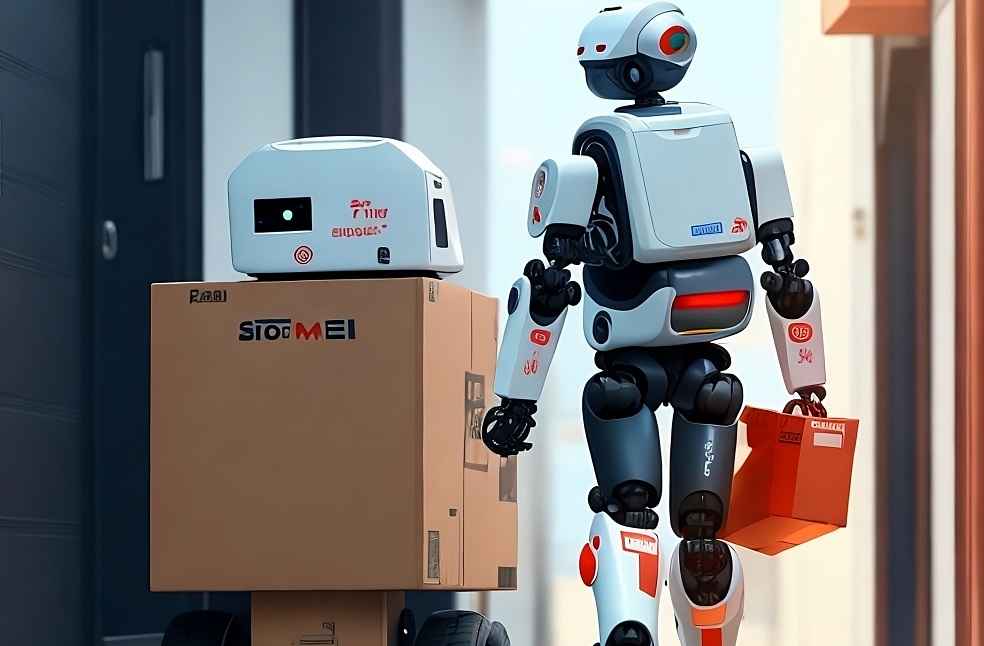
Global trade could expand by 34–37% by 2040 if governments adopt the right policies to harness Artificial Intelligence (AI) for productivity gains and lower trade costs, according to the World Trade Organization’s (WTO) World Trade Report 2025, released on Wednesday.
The report, titled “Making Trade and AI Work Together to the Benefit of All”, cautioned that non-tariff measures, including antidumping duties and export restrictions on AI-enabling goods such as semiconductors, may hinder the global spread of AI technologies.
“For AI and trade to contribute to inclusive growth, policies need to be in place to bridge the digital divide, invest in workforce skills, and maintain an open and predictable trading environment,” the WTO report said.
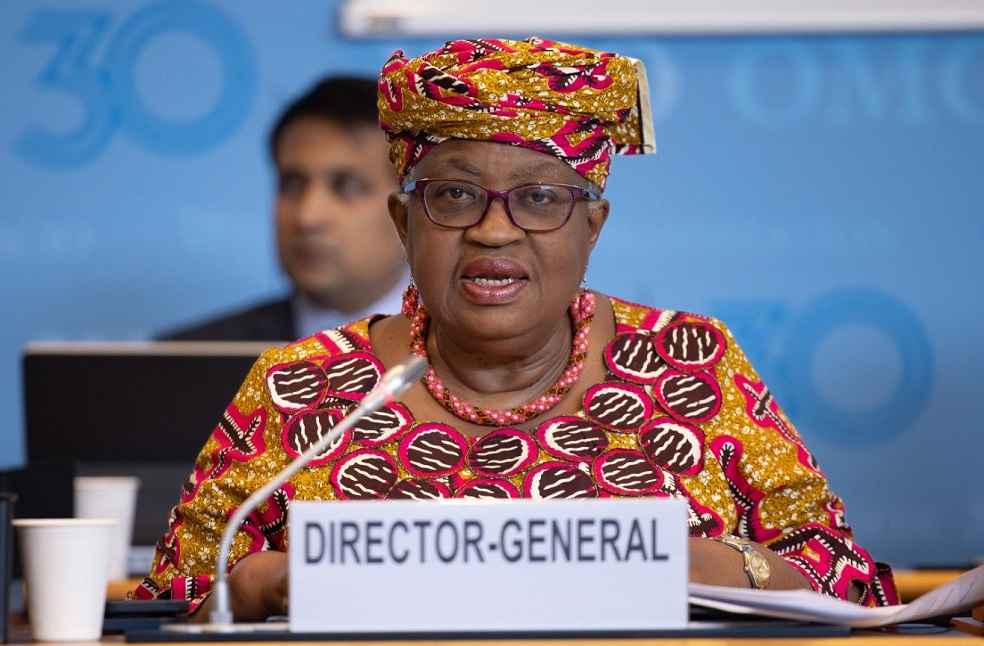
WTO Director-General Ngozi Okonjo-Iweala underscored AI’s transformative potential, noting: “With the right mix of trade, investment and complementary policies, AI can create new growth opportunities in all economies. With the right frameworks, trade can play a central role in making AI work for all. The WTO is committed to supporting this effort.”
According to the report, global trade in AI-enabling goods reached $2.3 trillion in 2023. The number of quantitative restrictions on these goods has surged from 130 in 2012 to nearly 500 in 2024, primarily driven by high- and upper-middle-income economies. These measures include import and export quotas, licensing requirements, and outright bans. Although tariffs on AI goods such as semiconductors remain low, non-tariff measures are increasingly shaping trade dynamics.
The report also flagged the impact of regulatory barriers in services and data flows, warning that such restrictions could raise trade costs and impede the development and diffusion of AI worldwide. It called for a balanced approach to data protection and cross-border data flows, recognizing that privacy safeguards may at times conflict with efforts to facilitate open trade.
Key policy areas identified as essential to complement trade policy include intellectual property and competition rules, infrastructure development, labor market policies, and industrial strategy. The report noted that high-income economies have moved ahead in regulating AI and adopting complementary measures, risking a widening structural divide with lower-income countries.
The WTO highlighted that 80 specific trade concerns relating to AI have already been raised at its forums, while inclusive AI discussions have been advanced under the Work Program on E-Commerce. The report suggested that broader participation in initiatives such as the WTO’s Information Technology Agreement and updated commitments under the General Agreement on Trade in Services could help make AI more affordable and accessible worldwide.
“Policymakers face complex challenges as they aim to achieve policy objectives without compromising inclusive growth through AI and trade. International cooperation can be an important avenue to address such challenges,” the report concluded.
MOST POPULAR | India and U.S. Intensify Efforts to Finalize Trade Agreement
