


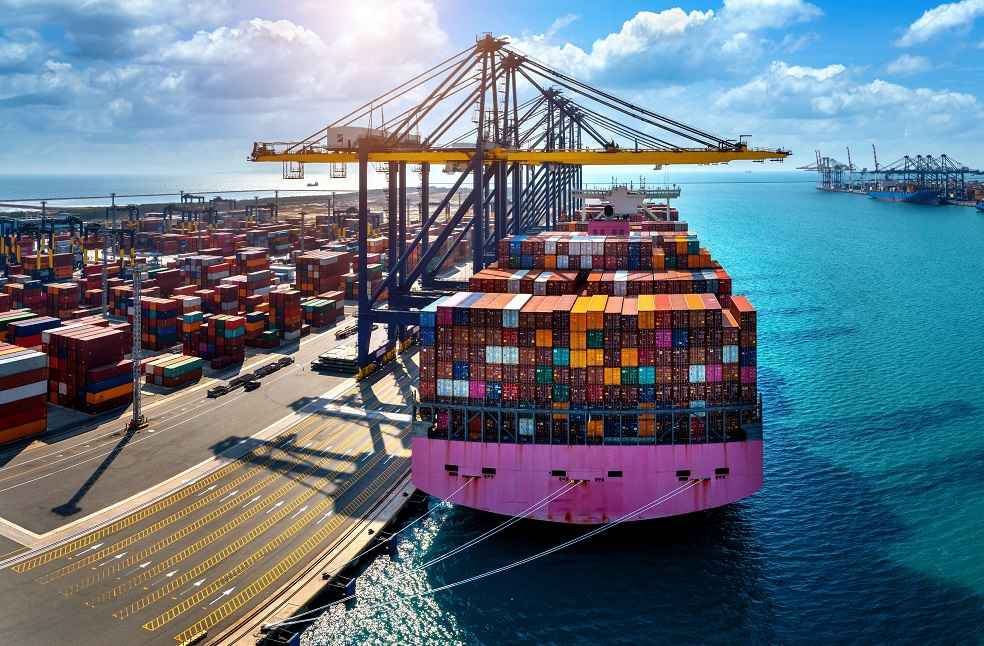
World merchandise trade is expected to rise by 0.9% in 2025, according to the World Trade Organization (WTO), marking an improvement from the 0.2% contraction forecast in April. The revised outlook, however, remains below the 2.7% growth estimate made before recent tariff hikes.
WTO economists said the upgrade is largely due to the frontloading of imports in the United States ahead of anticipated tariff increases. While this short-term boost has lifted projections, higher tariffs are expected to slow trade over time, with 2026 trade volume growth now forecast at 1.8%, down from the earlier 2.5% estimate, WAM reported.
A sharp increase in U.S. imports during the first quarter, driven by expectations of tariff rises, was a key factor behind the improved 2025 outlook in the WTO’s April Global Trade Outlook and Statistics report. However, the organization warned that tariffs introduced this week will likely dampen trade in the latter half of 2025 and into 2026.
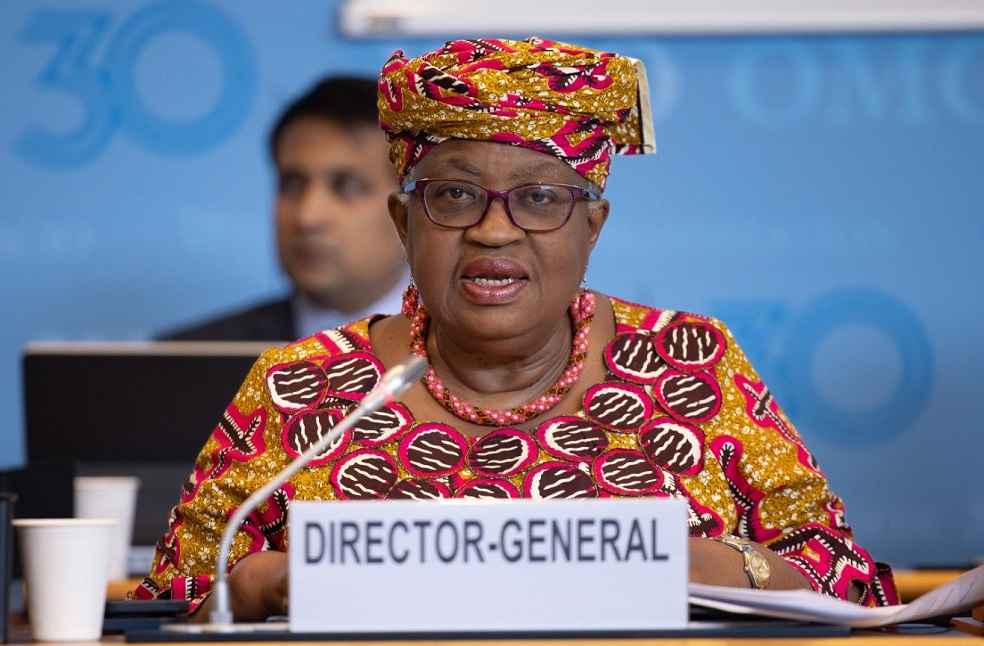
WTO Director-General Ngozi Okonjo-Iweala noted that global trade has shown resilience despite persistent challenges, including the latest tariff measures. “Frontloaded imports and improved macroeconomic conditions have provided a modest lift to the 2025 outlook. The full impact of recent tariff measures is still unfolding. The shadow of tariff uncertainty continues to weigh heavily on business confidence, investment, and supply chains,” she said.
Regional contributions to trade growth are expected to shift. Asian economies will remain the largest positive driver in 2025, though their impact in 2026 will be smaller than earlier forecasts. North America is set to weigh negatively on global trade growth in both 2025 and 2026, but the effect this year will be less severe due to the stronger-than-expected U.S. import surge. Europe’s contribution for 2025 has moved from moderately positive to slightly negative, while energy-exporting economies will see their positive influence diminish as lower oil prices cut export revenues and reduce import demand.

The WTO said the tariff increases that took effect on August 7 will increasingly weigh on trade, though this will be partially offset by inventory build-ups and front-loaded orders, which will eventually need to be unwound. Improved macroeconomic conditions are also providing support, but the outlook remains subject to major uncertainty.
In related developments, Kazakhstan’s Trade and Integration Ministry issued an official response to the new U.S. tariffs on goods from the Central Asian nation.
DON’T MISS IT | U.S. Tariff on Swiss Gold Bars Sends Futures to Record