


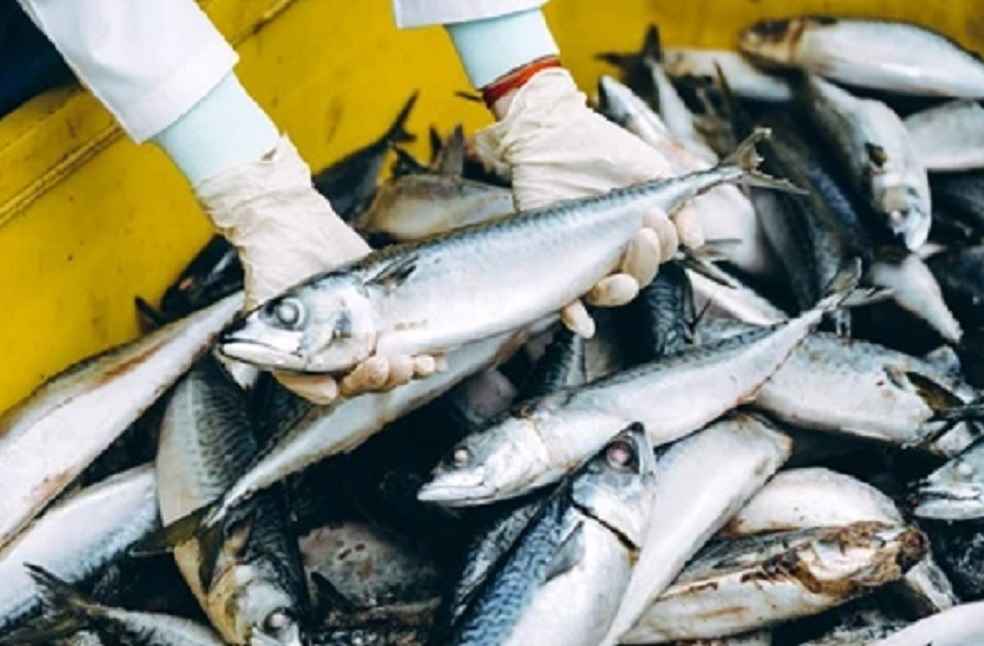
The World Trade Organization (WTO) has begun enforcing its historic Fisheries Subsidies Agreement, targeting billions in harmful subsidies that drive overfishing.
The accord, widely described as a milestone for global trade and environmental governance, prohibits government support for illegal, unreported, and unregulated (IUU) fishing, as well as subsidies that drive the over-exploitation of fish stocks and unregulated fishing on the high seas.
“Today we have shown that trade can serve both people and planet,” WTO Director-General Ngozi Okonjo-Iweala said at a special General Council meeting in Geneva. Calling the agreement “a landmark for global trade governance,” she stressed that multilateral cooperation remains essential for tackling global challenges.
Okonjo-Iweala urged all remaining WTO members to ratify the accord before the organization’s 14th Ministerial Conference in March 2026. “One of my key aspirations is to see the Agreement ratified by all members,” she said, adding that universal participation would secure healthier oceans and more sustainable livelihoods.
The Director-General signed the official notification on September 15, marking the Agreement’s entry into the WTO’s legal framework, and handed it to General Council Chairman Ambassador Saqer Abdullah Almoqbel of Saudi Arabia. Almoqbel praised the development as “a testament to our shared vision for sustainable global fisheries,” emphasizing the determination and political will required to achieve it.
The Agreement entered into force following the latest ratifications by Brazil, Kenya, Vietnam, and Tonga, which pushed acceptances beyond the two-thirds threshold needed. Mali and Oman have also completed their processes, with formal deposits expected soon.
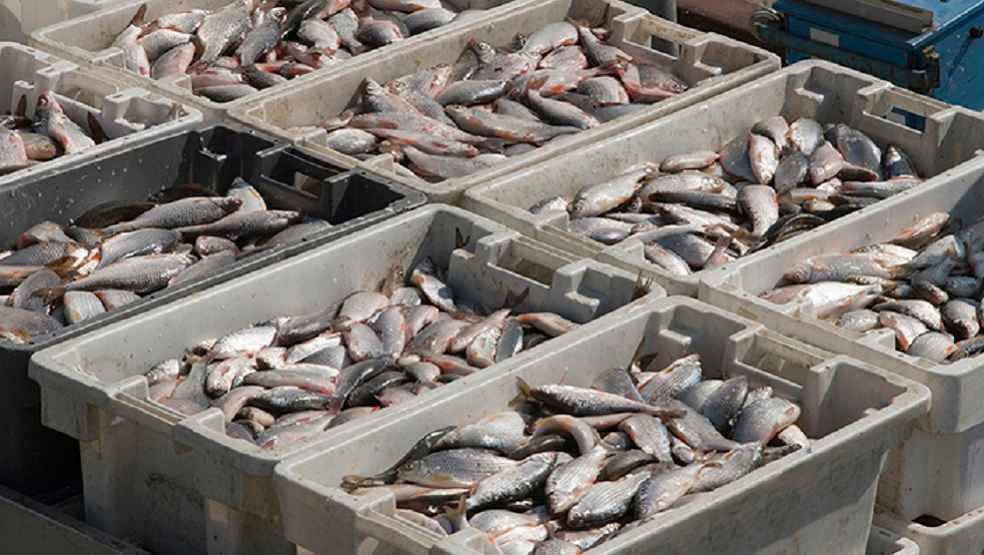
Adopted by consensus during the WTO’s 12th Ministerial Conference in June 2022, the pact responds to urgent concerns: around 35.5% of global fish stocks were overfished in 2021, compared with 10% in 1974. Governments are estimated to spend $35 billion annually on subsidies to marine fishing, with $22 billion considered harmful to marine ecosystems.
Global leaders, including UN Secretary-General António Guterres (represented by UNCTAD Secretary-General Rebeca Grynspan), French President Emmanuel Macron, and several heads of government from Barbados, Chile, Iceland, Malaysia, Cabo Verde, and Fiji, sent messages congratulating the WTO on the breakthrough.
Members are committed to immediate implementation, noting that the agreement will help restore marine stocks, strengthen food security, and protect jobs in coastal communities. To assist developing and least-developed countries, the WTO has set up a Fish Fund, which has already received more than $18 million in pledges to support capacity-building and sustainable fisheries management.
A new WTO Committee on Fisheries Subsidies will oversee implementation, ensuring transparency and dialogue on fishing practices and government support.
METAL WORLD | Hong Kong Expands Role in Global Gold Trade with 2,000-Ton Plan