


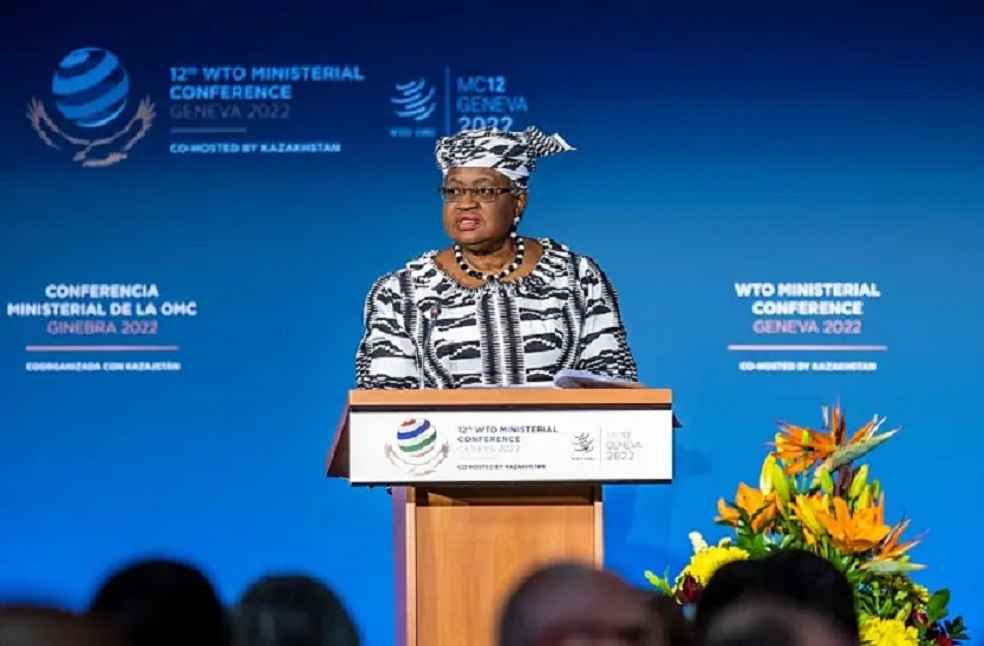
Global trade has surpassed expectations in the first half of 2025, with the World Trade Organization (WTO) raising its annual growth forecast to 2.4%, up sharply from its August projection of 0.9%.
The organization warned of slower momentum, cutting its 2026 outlook to just 0.5%, as new U.S. tariffs begin to affect global trade patterns.
According to the WTO’s Global Trade Outlook and Statistics released on October 7, two key factors have fueled the stronger performance: a surge in AI-related product exports and widespread inventory frontloading ahead of tariff implementations.
Shipments of AI components such as semiconductors, servers, and telecommunications equipment jumped 20% year on year, accounting for nearly half of total trade expansion.

The maritime industry has been a key beneficiary of this upswing. The WTO reported that the volume of world merchandise trade grew 4.9% year-on-year in the first half of 2025, while the dollar value of trade increased by 6%, following a modest 2% rise in 2024.
WTO Director-General Ngozi Okonjo-Iweala noted the strength of emerging markets, stating that “South-South trade grew 8% year-on-year, in value terms, in the first half of 2025, compared to 6% for world trade overall.”
Regionally, Asia and Africa have led global export growth this year, while North America and the Commonwealth of Independent States have seen declines.
On the import side, African nations and Least Developed Countries (LDCs) are recording the fastest expansion, in contrast to falling North American imports.
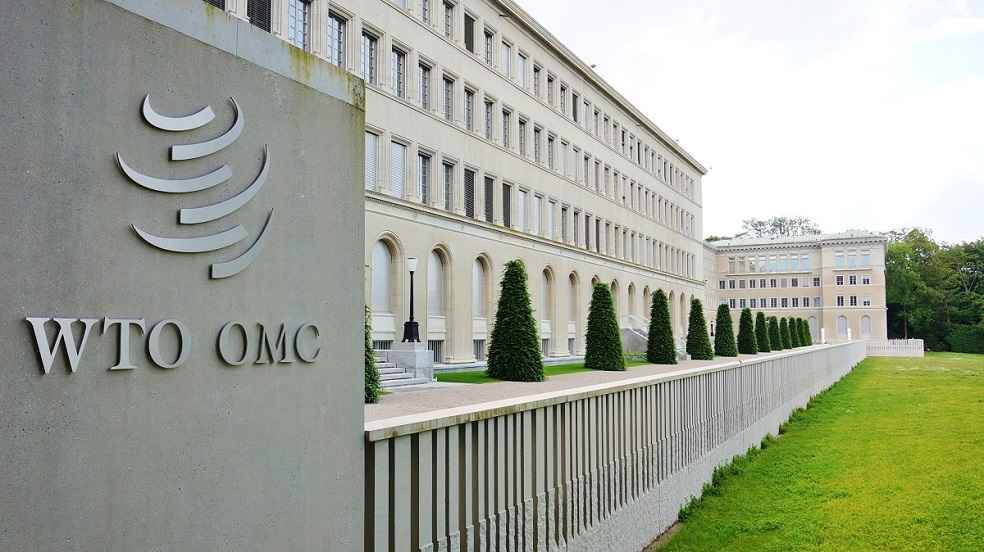
The WTO attributed its downgraded 2026 forecast to the impact of higher tariffs imposed by the Trump administration in August 2025, which have already begun disrupting trade flows.
WTO economists cautioned that “rising input prices and a slowdown in trade shipments suggest inflation could increase in late 2025 as inventories shrink in tariff-affected sectors.”
Growth in the maritime and transport services sectors is also expected to slow. The WTO projects maritime services growth will decelerate from 6.8% in 2024 to 4.6% in 2025, and to 4.4% in 2026.
Transport services growth is forecast to fall even more sharply, from 4.5% in 2024 to 2.5% in 2025, before easing further to 1.8% in 2026.

Despite the challenges, Okonjo-Iweala reaffirmed confidence in the multilateral system, stating that the trade resilience in 2025 is thanks in no small part to the stability provided by the rules-based multilateral trading system, while urging nations to ‘reimagine trade’ in light of rising disruptions.
For the maritime sector, the WTO report highlights AI-related goods and services as a key driver of medium-term growth. It suggests that ongoing technological demand may help cushion the global shipping industry against the headwinds of tariffs and trade restrictions in the coming year.
METAL WORLD | UK Steel Industry Warns of Major Crisis as EU Plans New Tariffs
