


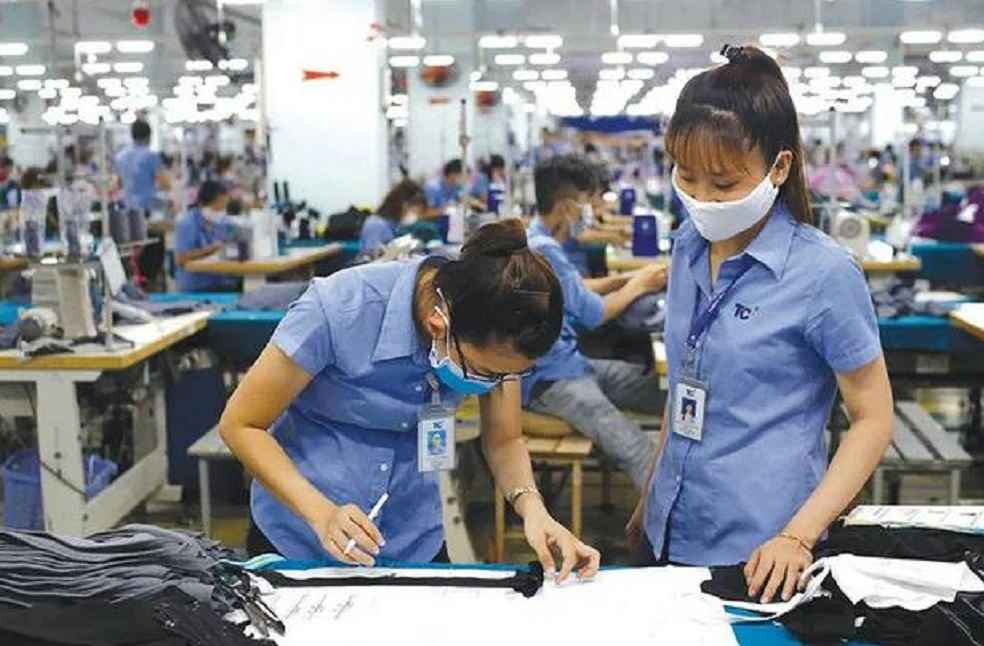
Vietnam’s textile and garment sector is showing a firm recovery in 2025 after a prolonged slowdown, reflecting the industry’s resilience and its growing position in the global market.
Businesses continue to grapple with high operating costs, logistics challenges, and mounting pressure to meet sustainability and trade compliance standards.
According to Vu Duc Giang, Chairman of the Vietnam Textile and Apparel Association (VITAS), export turnover reached $34.75 billion in the first nine months of 2025, marking a 7.7% year-on-year increase.
The performance reinforces Vietnam’s rank as the world’s third-largest textile and garment exporter, surpassing its earlier status as a low-cost processing hub.
Despite strong results, the industry remains heavily dependent on imported materials, with import turnover at $16 billion, including $11 billion for fabric alone, posing exposure to global supply risks.
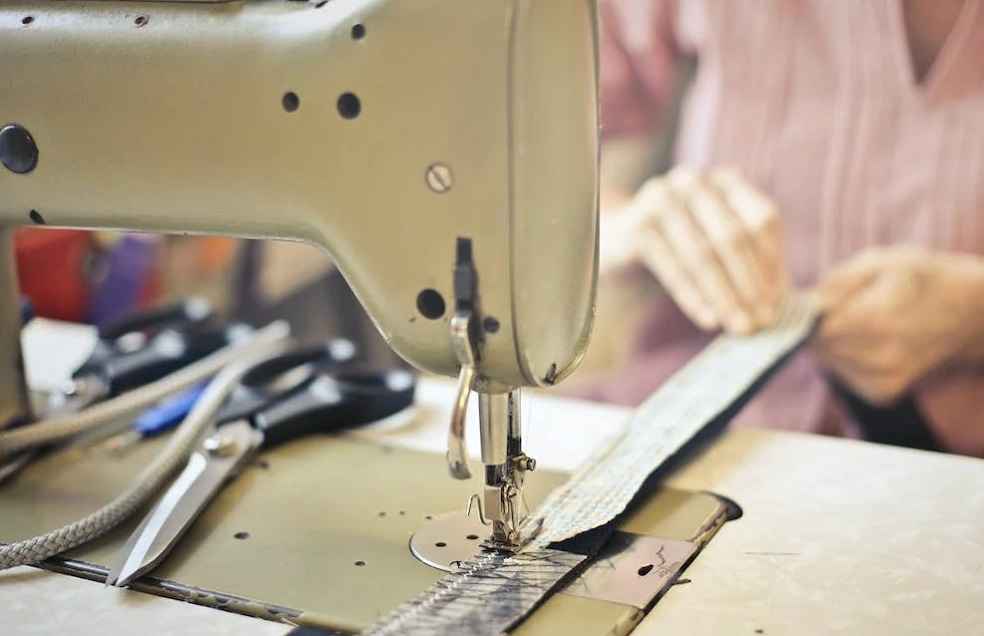
Giang noted that high-value, design-driven products now account for a growing share of exports, signaling the sector’s transition from contract manufacturing toward innovation and brand-building.
Vietnam currently exports textile and garment products to 138 countries, supported by 16 free trade agreements (FTAs), a number expected to reach 22 by 2027.
Emerging markets such as the Middle East and Africa are playing a larger role, with exports to Islamic countries reaching $1 billion in 2024 and revenue from the Middle East alone hitting $700 million by July 2025.
Production costs remain a major concern, estimated to be 40–45% higher than in Indonesia, Malaysia, or Myanmar, despite Vietnamese labor being roughly 40% more productive.
The sector is nonetheless advancing in automation and green transformation, positioning itself as second only to China in supply chain modernization.
Logistics bottlenecks continue to weigh on operations. Dang Thi Minh Phuong, Chairwoman of the Ho Chi Minh City Logistics Association, highlighted steep increases in shipping and warehousing costs and a shortage of container drivers despite high pay.
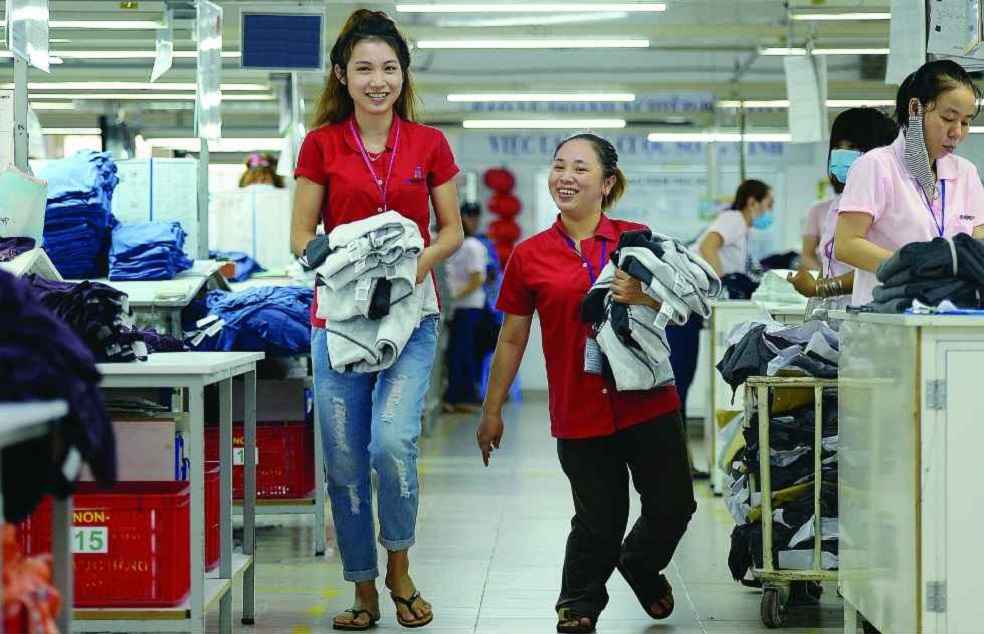
She urged firms to adopt logistics technology and restructure their supply chains to remain competitive.
Changes in purchasing models from traditional processing to Free on Board (FOB) and Delivered Duty Paid (DDP) terms have intensified financing challenges.
Giang called for closer cooperation between banks and exporters, encouraging tailored credit packages that reflect modern contract structures.
Trade policy shifts have also disrupted export momentum. The United States’ imposition of a 20% reciprocal tax on Vietnamese textile products, down from a proposed 40%, has pressured profit margins, with many buyers demanding that suppliers absorb part of the tariff.
New orders from the U.S. have since slowed, and authorities have warned of further penalties for products lacking clear origin documentation.
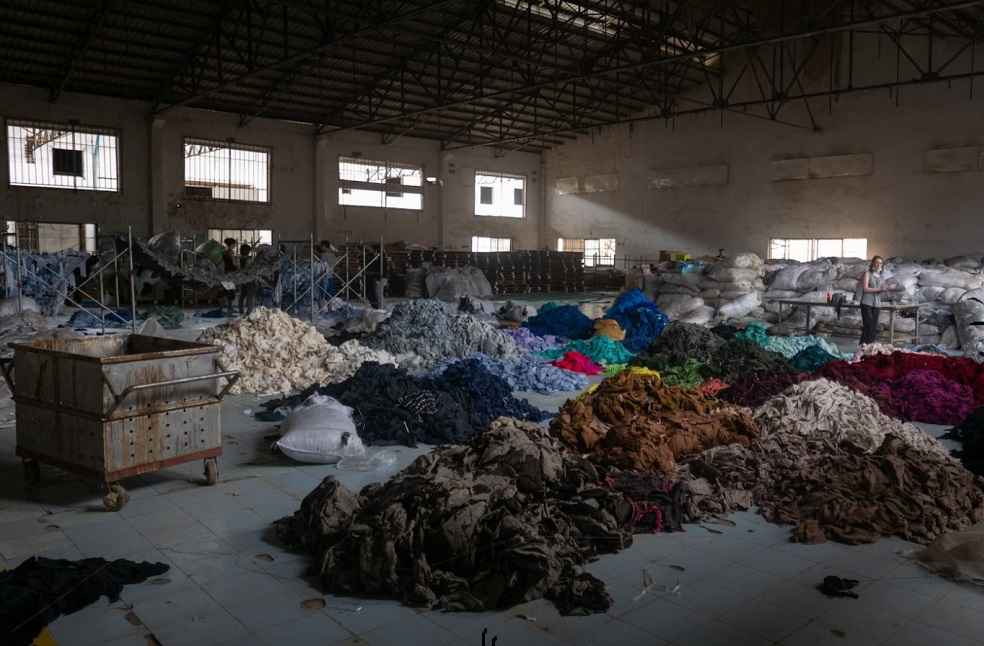
Vietnam’s limited domestic supply of raw materials remains a structural weakness. The country imports all of its cotton and up to 95% of its synthetic fibers, along with nearly all chemicals and dyes.
Industry leaders are advocating for increased localization, traceability, and investment in domestic material production to mitigate exposure to foreign supply disruptions.
Brand development also lags behind global competitors. Cao Huu Hieu, General Director of Vinatex, observed that Vietnamese fashion brands are still in their infancy, while international labels dominate the domestic market.
He emphasized the need for sustained investment in design, creativity, and product differentiation to build a stronger brand presence.
Vinatex aims to evolve into a full-service provider for sustainable fashion, integrating yarn, fabric, and garment production. The company plans to prioritize circular and recycled products, aligning with global trends toward environmentally responsible consumption.
TRADE TECH | Taiwan Exports Hit Record $61.8B as AI Demand Soars