


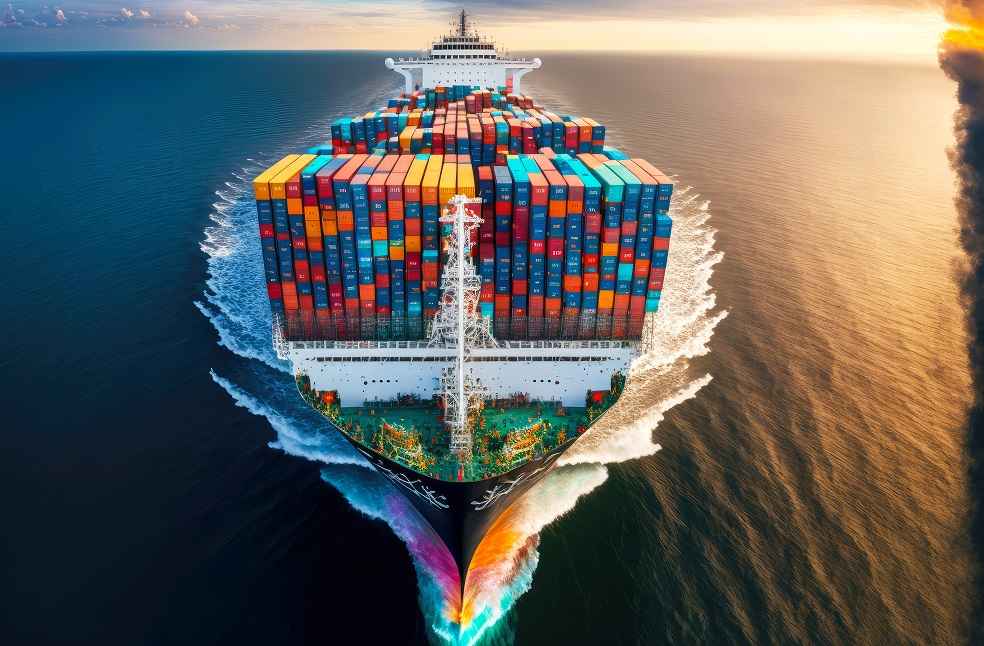
Vietnam’s Agency of Foreign Trade under the Ministry of Industry and Trade has warned export-import and logistics associations of rising risks to global trade and supply chains following the escalating Middle East conflict.
In a dispatch dated March 1, 2026, the agency said developments on February 28 marked a serious escalation in the region, creating instability and posing high risks to transportation, international trade, and global supply chains.
The agency cautioned that global oil, fuel, and consumer goods prices are expected to increase, generating indirect and multi-dimensional negative impacts on Vietnam’s production, export-import activities, and trade relations with Middle Eastern markets.
Logistics services are likely to face mounting pressure as higher fuel costs push up sea freight and air cargo rates, particularly on routes connecting Vietnam with countries in the region.
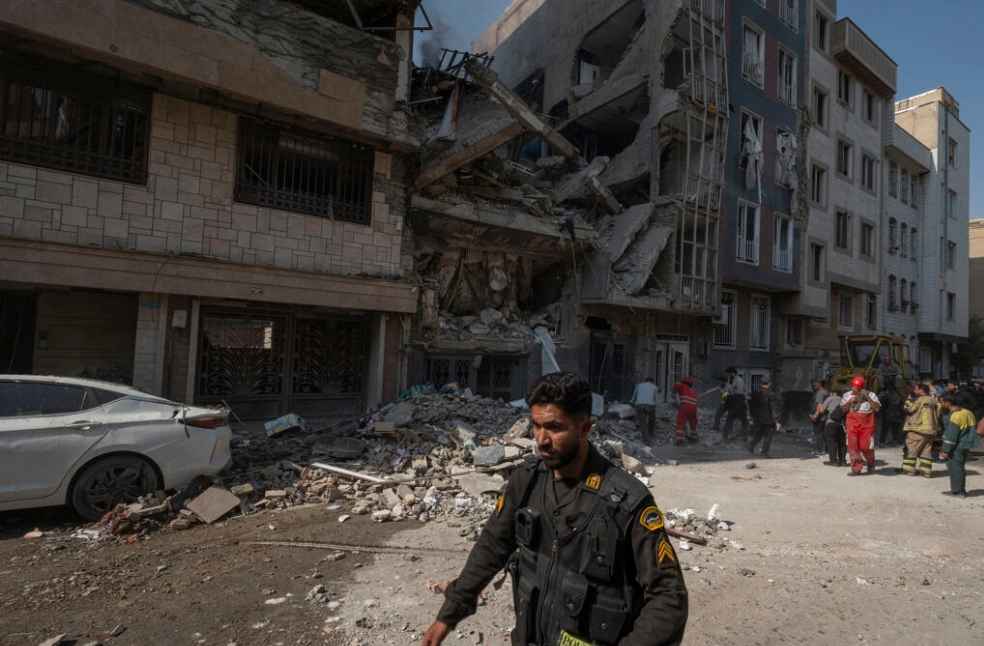
Several Middle Eastern states have restricted or closed their airspace due to security concerns, forcing passenger and cargo flights to reroute. These diversions have extended flight times and raised operating costs.
Maritime transport has also been affected. Shipping through the Strait of Hormuz has nearly stalled following airstrikes, with Iran warning that transit through the waterway is unsafe. As a result, shipping lines are avoiding the area or altering routes, leading to longer transit times and higher fuel expenses.
The Agency of Foreign Trade has called on export-import and logistics associations to monitor developments and coordinate regularly with relevant state authorities closely. Associations are urged to provide timely updates to member enterprises so they can adjust production schedules, trade plans, and transport arrangements.

The agency emphasized the need to avoid disruptions and minimize negative impacts while enhancing flexibility and resilience in the face of international volatility. Enterprises and associations are encouraged to proactively analyse trade data, monitor freight rates and surcharges, and track domestic policy changes that may affect operations.
The dispatch also advises businesses to prepare preventive and adaptive plans to mitigate risks, reduce potential losses, and safeguard supply chains. It encourages closer engagement with trade promotion bodies and overseas trade offices to explore alternative markets and new orders to offset potential disruptions.
Officials said that close coordination among industry groups, enterprises, and government agencies will be essential to protecting Vietnam’s export-import sector amid heightened geopolitical uncertainty.
IMEX SECTOR | China’s Import Growth Strengthens Global Trade Outlook