


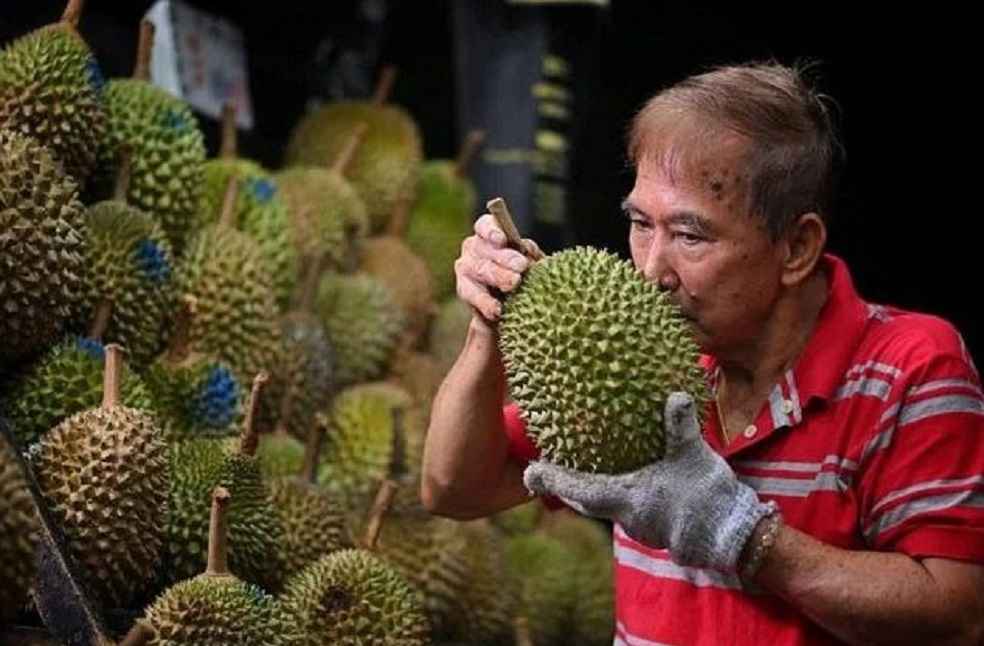
Vietnam’s Ministry of Agriculture and Environment has rolled out a comprehensive food safety control process for fresh durian exports to meet global standards and strengthen its agricultural competitiveness. The measures, announced by the Department of International Trade Promotion, cover the entire production chain, from cultivation and harvesting to storage, transport, packaging, and quality certification.
Under the new regulations, each export batch must be registered, inspected, and certified. Durian growers are required to meet food safety criteria and implement full traceability systems to track products throughout the chain. Clear procedures must also be in place for recalling or disposing of non-compliant goods.
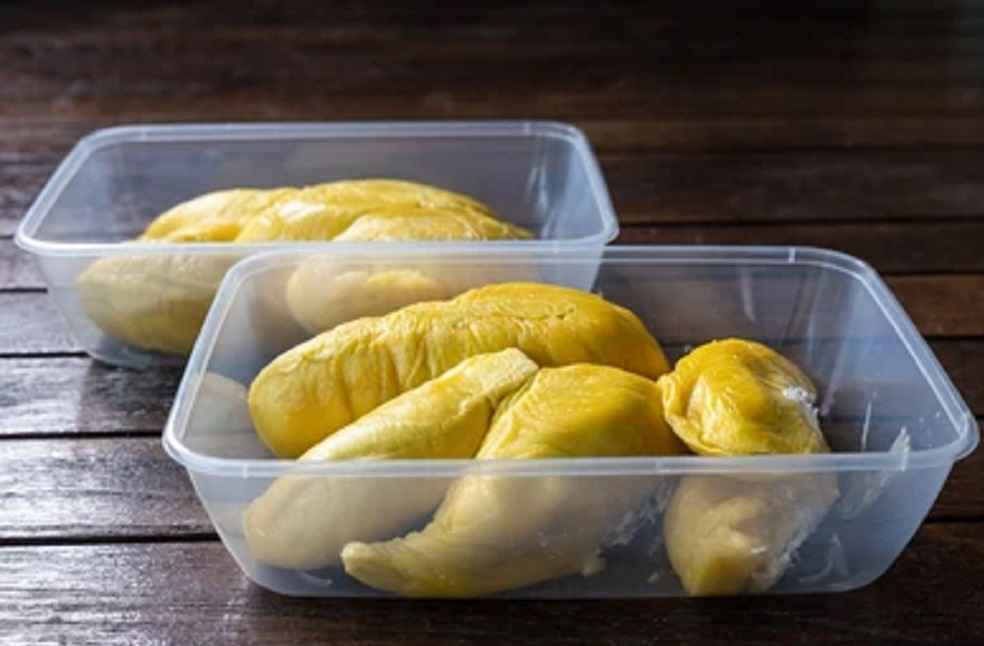
Producers with internationally recognized certifications such as GMP, HACCP, or ISO 22000 will receive streamlined inspections and continuous certification. Others must sign a compliance declaration and submit to inspections by authorized agencies. Approved cultivation areas will be closely monitored and assigned specific codes for tracking. Storage, transport, and packaging facilities must meet food safety standards and undergo inspection or certification, while exporters must register with the national food industry system and comply with traceability and recall rules.
Testing laboratories handling durian samples must be licensed and authorized to certify quality and safety, either at the owner’s request or through official orders. Only durians from certified cultivation areas and facilities, bearing both area and facility codes and proper labelling, will be eligible for export. Additional inspections and certifications will be required when importing countries have their own standards.
Vietnam Customs data for June 2025 shows fruit and vegetable exports valued at $807 million, up over 30% from May and more than 20% year-on-year. Durian exports alone were worth around $360 million, rising more than 70% month-on-month. The first half of 2025 saw durian exports average $825 million, down 37% compared to the same period in 2024, reflecting market volatility and quality control issues that the new rules aim to resolve.
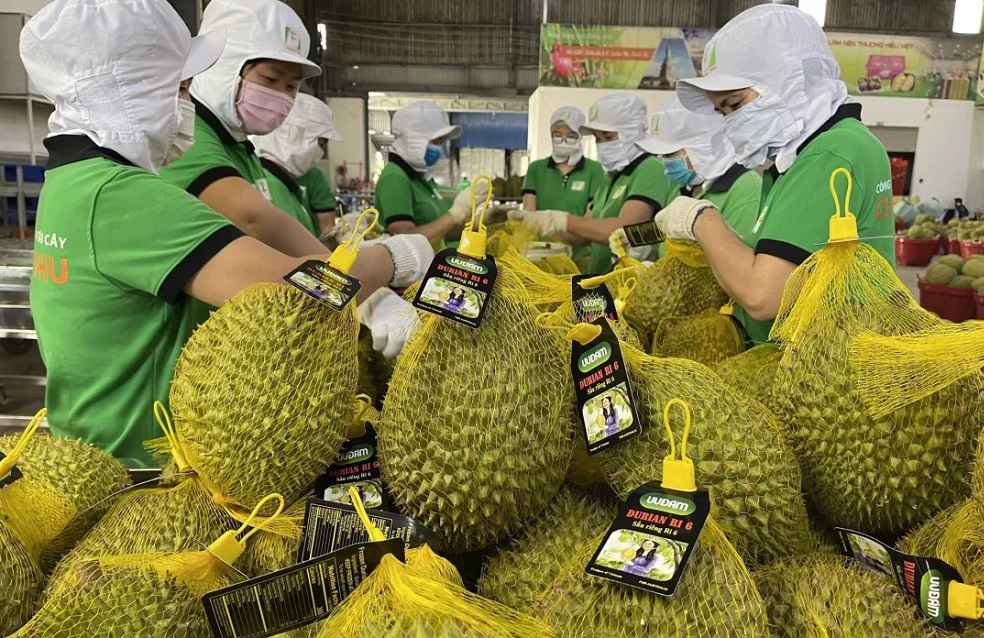
The stricter standards also open market opportunities for Thai agribusinesses, particularly those specializing in food safety certification and compliance, such as GAP, GMP, HACCP, and ISO 22000. Thai firms could provide training, consultancy, internal audits, and traceability solutions to help Vietnamese producers meet the new requirements. For producers unable to adapt, Thai companies could step in with OEM packaging, processing, and logistics services to boost product quality and credibility.
Collaboration with government and industry bodies could further enable Thai companies to develop production chain innovations and technologies that align with increasing global demands for food safety and source transparency, strengthening their role in the regional durian supply chain.
MOST POPULAR | India and Oman Poised to Finalize Comprehensive Free Trade Agreement
