


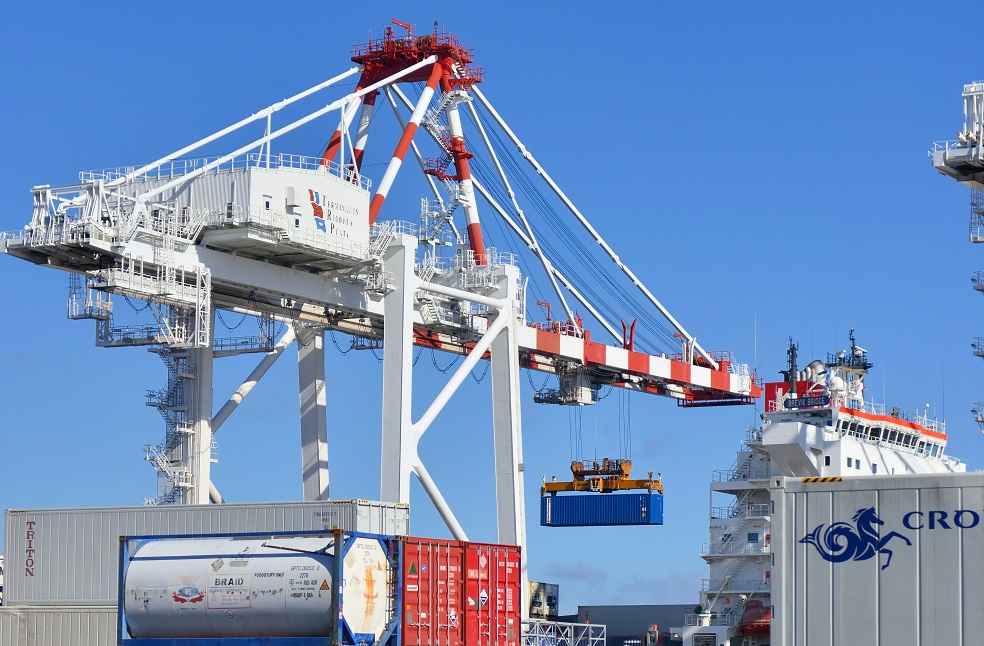
Vietnam’s Ministry of Science and Technology has introduced new regulations governing the importation of used technology lines, equipment, and machinery as the country accelerates efforts to strengthen its semiconductor industry while safeguarding against the inflow of outdated technologies.
These measures apply both to the semiconductor sector and to broader digital technology research and development activities, ensuring that technological standards remain current and competitive.
Circular No. 30/2025/TT-BKHCN establishes technical standards for the import of used equipment into Việt Nam, with the goal of promoting safety, energy efficiency, and environmental protection, while supporting the sustainable growth of the domestic semiconductor industry.

Nguyễn Anh Tuấn, head of the Quality Management Division at the Ministry’s Authority of ICT Industry, stated that the regulations apply to organizations and enterprises importing used equipment for purposes such as training, research, and the development of digital technology products and services.
They also extend to projects directly involving the manufacturing, packaging, and testing of semiconductor chips, in accordance with the provisions of the Law on the Digital Technology Industry.
Under the general criteria, imported equipment and technology lines must not be obsolete, low-quality, or environmentally harmful, nor fall under Vietnam’s restricted or prohibited technologies. They must comply with safety, energy efficiency, and environmental standards under national regulations or equivalent G7 and South Korean standards.

Additionally, the age of machinery and equipment at the time of import must not exceed 20 years.
For used equipment imported specifically for training, research, and development, the circular grants exemptions from certain requirements, such as age limits, performance efficiency, and energy consumption standards. These provisions aim to facilitate scientific research and the training of skilled professionals in digital technology and semiconductor fields.
Importing enterprises must assume full legal responsibility for the accuracy of all information they provide. In cases of violations, such as false reporting or using equipment for unregistered purposes, authorities may order the re-export of the shipment and impose administrative penalties under current regulations.
REAL ESTATE | CMHC Predicts Weak Canadian Housing Market for 2026