


Vietnam is urging businesses and government bodies to leverage free trade agreements, diversify markets, and accelerate green and digital transformation to sustainable export momentum and secure the year’s growth targets. Authorities also emphasized the need to strengthen resilience against global volatility.
In the first eight months of 2025, the country’s total trade value reached nearly $600 billion, a 16.3% year-on-year increase. Exports rose 14.8% to $306 billion, already surpassing the annual target. The trade surplus of nearly $14 billion has played a key role in stabilizing the macroeconomy.
Experts view the results as remarkable, especially against the backdrop of continued global economic challenges. Trade conflicts, geopolitical tensions, and supply chain disruptions continue to pressure international commerce.

The U.S. remains Vietnam’s largest export market. Bilateral trade turnover stood at $114.5 billion in the first seven months of the year, up 41% year-on-year. Of this, Vietnam’s exports accounted for $106 billion, while imports were only $8 billion, resulting in a surplus of $98 billion.
Despite these achievements, Minister of Industry and Trade Nguyen Hong Dien warned that risks persist. These include global uncertainties driven by geopolitical conflicts, major power competition, stricter U.S. trade policies, and potential supply chain disruptions. With Vietnam ranked among the most open economies in the world, the country remains highly exposed to external shocks. To achieve the targeted annual export growth of 12%, Vietnam must earn at least $150 billion in the last four months of 2025, an average of over $37.5 billion per month, which poses a major challenge.
Deputy Director of the Multilateral Trade Policy Department, Ngo Chung Khanh, noted that to maximize free trade agreements, Vietnam must define clear objectives for each market, set priorities, and establish export product targets. He stressed the importance of coordination among trade offices, associations, and businesses to avoid fragmented efforts.
In the U.S. market, Vietnam faces hurdles such as tariff barriers, trade defence measures, and rising standards on quality, traceability, and transparency. Enterprises are being urged to enhance competitiveness through technology, design, and branding.
In China, firms are advised to strengthen product quality, ensure traceability, and invest in processing, preservation, packaging, and cold storage, while boosting promotional efforts, particularly in the country’s northern and northwestern provinces.
The EU-Vietnam Free Trade Agreement also offers opportunities, with over 90% of tariffs already removed. This could help Vietnam diversify away from the U.S. and expand its European market presence. Challenges remain, including stricter food safety rules, safeguard measures on steel and alloys, and risks of trade diversion. According to Trade Counsellor Tran Ngoc Quan, Vietnamese exports may benefit in the short term, but without greener production and compliance with environmental standards, long-term access will be difficult.
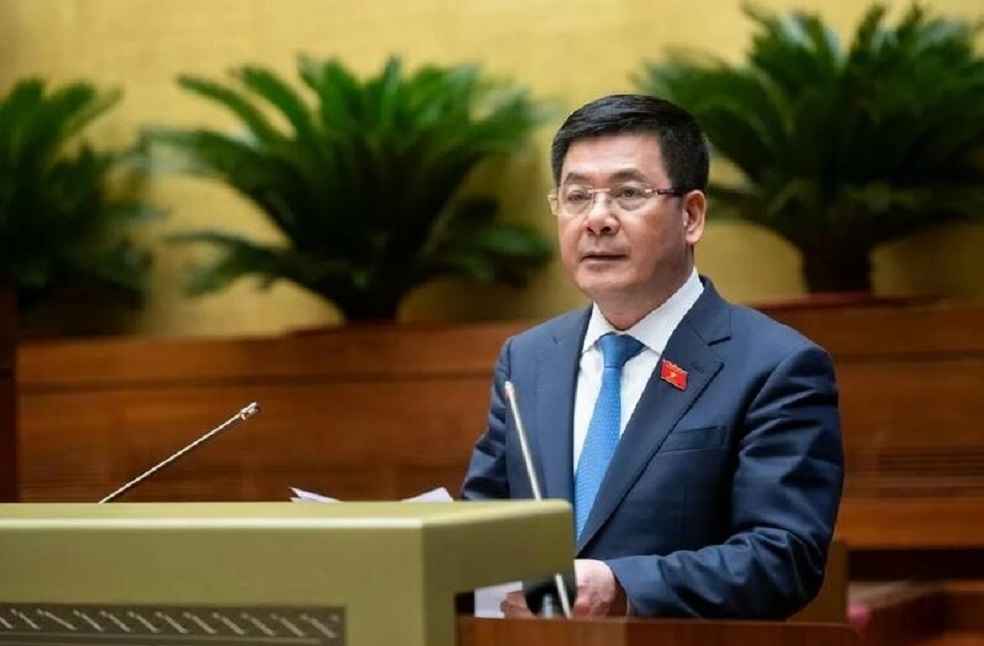
Minister Dien highlighted the need for close coordination between the Government, trade offices, associations, and localities to sustain momentum. He underscored the importance of categorizing markets: restoring orders in markets with negative growth, maintaining progress in average-performing markets, and relying on high-growth markets as engines for overall export performance.
Authorities emphasized that businesses must adopt green technologies, strengthen supply chain resilience, and actively participate in digital trade promotion ecosystems. Industry associations are expected to play a central role by providing market intelligence, guidance, and branding support to ensure sustainable export growth.
ENERGY INDUSTRY | UK, U.S. to Sign Nuclear Power Deals to Cut Russian Fuel Reliance