


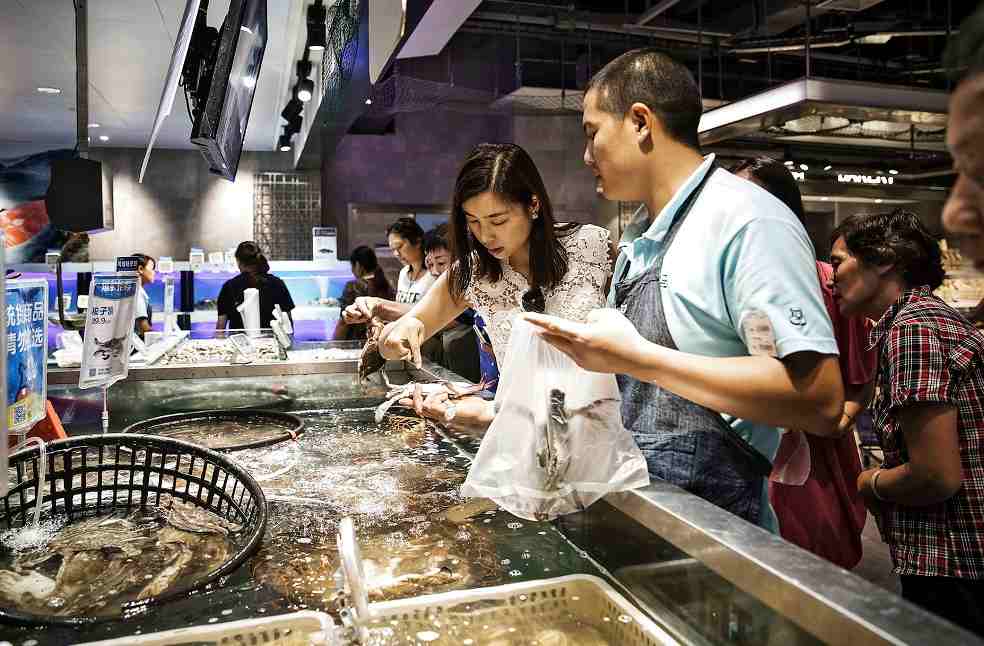
Vietnam’s seafood exports have gained strong traction in Singapore over the past two years, with rising import values reinforcing trade ties and supporting the deepening of the Vietnam–Singapore Comprehensive Strategic Partnership.
The momentum accelerated in 2025, marking a clear breakthrough as Singapore’s demand for Vietnamese seafood increased alongside growing confidence in product quality and branding. Official data from Singapore’s Accounting and Corporate Regulatory Authority shows that Vietnam moved from sixth to fifth place among Singapore’s largest seafood exporters in 2024.
The upward trend continued into 2025, with Vietnam ranking fourth in the first quarter and advancing to become the city-state’s third-largest seafood supplier over the first nine months of the year, a position it has since maintained.
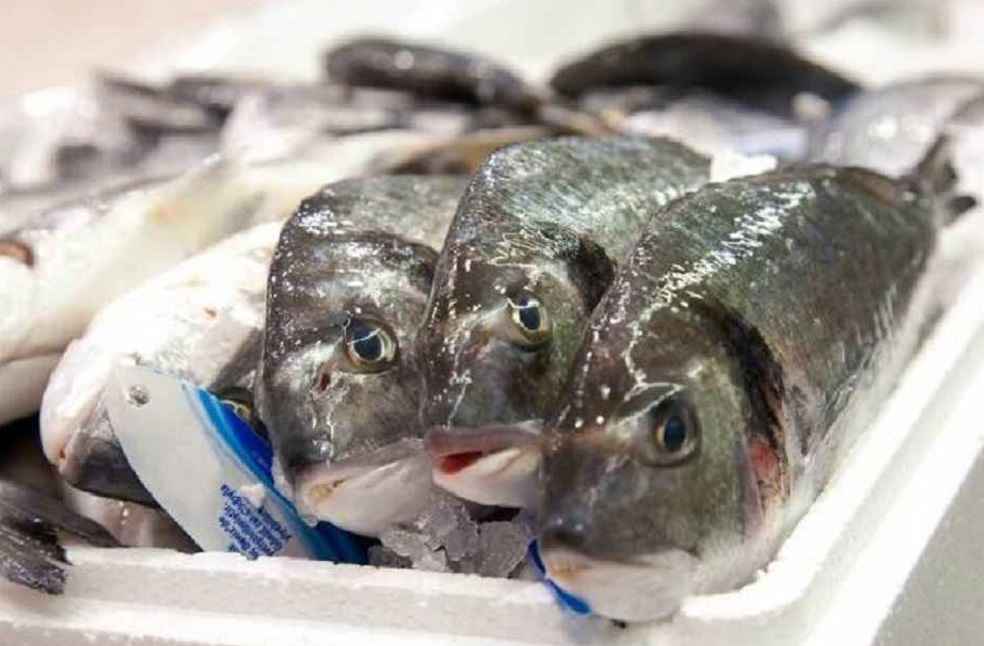
Industry leaders attribute this rise to long-standing commercial ties and increasing direct engagement between businesses in both countries. Kenneth Chia, President of the Seafood Industries Association Singapore, said trade between Vietnam and Singapore has expanded steadily for more than two decades.
He noted that many Singaporean companies now treat Vietnam as a core sourcing market, with some maintaining staff on the ground to procure seafood directly, helping to strengthen trust and long-term partnerships.
Singapore imports around 90% of its food due to limited domestic agricultural production. Its high per capita income supports strong demand for premium food products, while its relatively small yet diverse consumer base makes it an effective testing ground for new offerings before wider international expansion.

Vietnam’s growing presence in the seafood sector reflects its effective use of free trade agreements, export promotion measures, coordinated policy support, and the increasing competitiveness of its seafood enterprises. The Vietnam Trade Office in Singapore has also played a key role in facilitating trade connections.
Cao Xuan Thang, Trade Counsellor of Vietnam in Singapore, said Singapore’s open-market approach and focus on supply diversification present both opportunities and challenges.
He urged Vietnamese seafood exporters to strengthen quality control across the value chain, improve traceability, adopt sustainable farming practices, and invest in advanced technologies. He also highlighted the need for digital transformation, e-commerce adoption, and modern payment systems to improve efficiency and reduce costs.
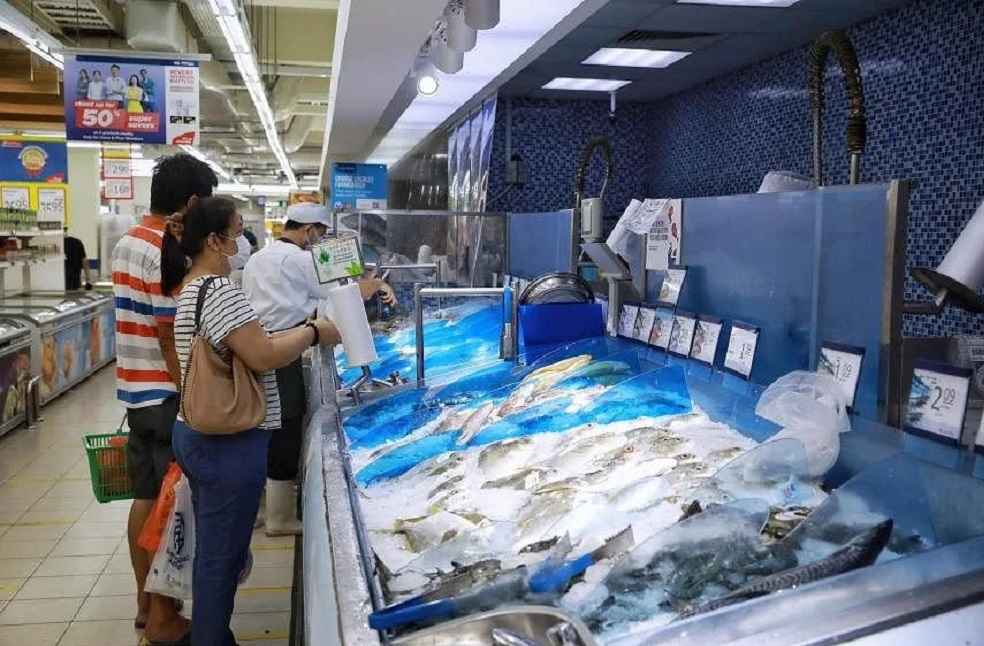
Within ASEAN, Singapore serves as a major logistics and global seafood trading hub, offering advantages in ports, warehousing, logistics, and financial services. Industry participants believe that deeper cooperation with Singapore can help Vietnam maintain stable export growth while expanding access to regional and global markets.
Chia added that further investment in research and development could help Vietnamese producers create more value-added seafood products tailored to Singapore’s restaurant and food service sector, strengthening trade benefits for both sides.
As demand continues to rise, Singapore is increasingly viewed as a strategic gateway for Vietnam’s seafood industry to scale its regional and global footprint.
INSPIRING | Vietnam Pepper Exports Hit Record as U.S. Pays Premium