


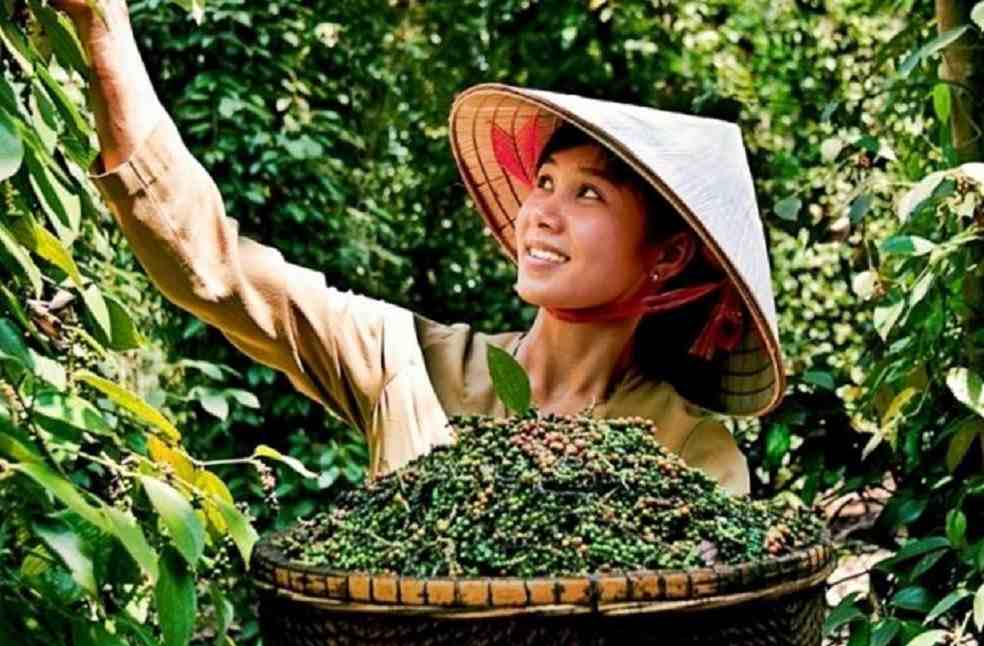
Vietnam’s pepper industry is being encouraged to leverage current global supply constraints and rising demand for high-quality agricultural products to strengthen its position on the international export map. Industry experts highlight the need for not only higher export volumes but also a sharper focus on branding and value-added products.
According to the Vietnam Pepper and Spice Association (VPSA), as of mid-May, the country exported 84,844 tons of pepper, earning $585.2 million. While this marks a 10% year-on-year decline in volume, export value jumped by 45%, driven by soaring prices. The average price of black pepper rose by 96% to $6,749 per ton, and white pepper surged by 73.8% to $8,611 per ton.

The Ministry of Industry and Trade’s Agency of Foreign Trade attributed these gains to tightening global supply and growing demand from major markets, particularly in the Middle East and Europe. Vietnamese exporters are also broadening their market reach, reducing reliance on traditional buyers.
The United States remained Vietnam’s largest market, accounting for 22.5% of total exports, despite a 26.7% drop in volume. India followed with 8%, while the UAE and Germany each held 6.7%. Notably, exports to China rose by 94.4%, now representing 4.5% of the total share. Other markets such as Hong Kong, Australia, and Poland showed strong growth, while declines were recorded in the Netherlands, Russia, the UK, Egypt, Turkey, and France.
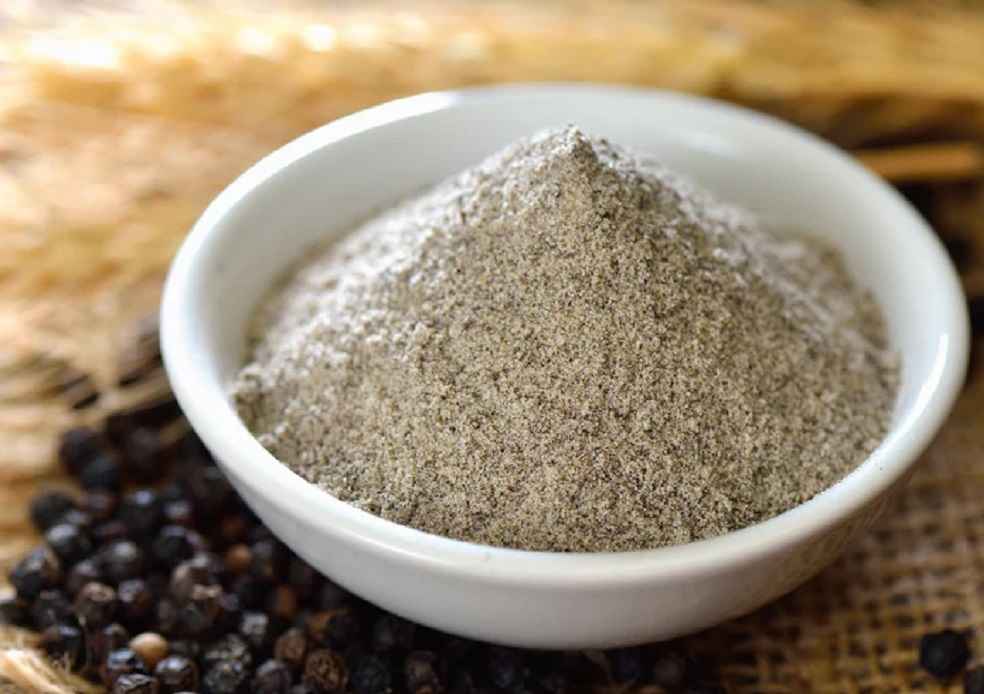
Vietnam also imported 18,388 tons of pepper worth $108.6 million, primarily from Brazil, Indonesia, and Cambodia. This activity, largely for reprocessing and re-export, is seen as a strategic move to maintain Vietnam’s dominance in the global pepper market, where it currently holds a 60% share.
Despite its strong export performance, the industry faces a major challenge: limited global brand recognition. Hoang Phuoc Binh, former Vice President of the Chu Se pepper association, observed that Vietnam continues to focus on exporting raw pepper without building strong brand identities.
VPSA Chairwoman Hoang Thi Lien emphasized that exporters aiming at high-value markets with strict standards must invest in quality control to ensure product consistency and resilience in a volatile market.
IMEX SECTOR | Taiwan Revises Japanese Beef Import Policy, Eases Restrictions