


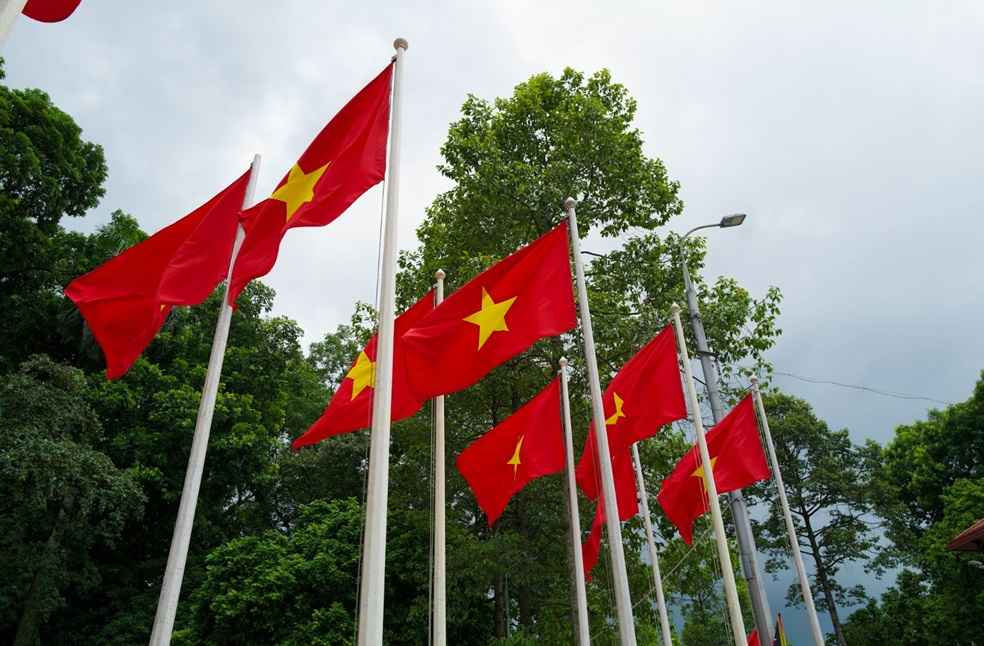
Vietnam is implementing comprehensive export measures to protect and expand its sector as the country navigates global trade uncertainties. Prime Minister Pham Minh Chinh, through Directive 29/CT-TTg issued on September 23, outlined strategies to diversify foreign markets and sustain growth momentum.
As of September 15, Vietnam’s total trade turnover was estimated at $673.21 billion, up 17.2% year-on-year. Exports rose 15.8% to $325.26 billion, while imports increased 18.8% to $311.95 billion. Despite these gains, the Prime Minister cautioned that ongoing global challenges, including geopolitical conflicts, strategic competition, and reciprocal tariffs from major economies, pose significant risks to the country’s export performance.
To achieve its export growth target of at least 12% this year, contributing to GDP expansion of 8.3–8.5%, Vietnam is taking a multi-pronged approach. The Ministry of Industry and Trade has been tasked with monitoring market trends and trade policies, boosting exports through flexible measures, and leveraging existing Free Trade Agreements while working to secure new ones. Priority markets include the Middle East, Africa, Latin America, Central Asia, Eastern Europe, India, Pakistan, and Brazil. Efforts are also underway to conclude free trade negotiations with Mercosur and the Gulf Cooperation Council in the final quarter of the year.
Trade promotion will be intensified in major destinations such as the U.S., EU, China, Japan, South Korea, ASEAN, and India. In parallel, e-commerce and digital trade channels will be expanded. The Ministry of Agriculture and Environment will coordinate with relevant bodies to improve product quality, strengthen geographical indications, and promote low-carbon agricultural goods. The directive also stresses enhanced food safety compliance to meet technical standards of key markets, including China, the EU, the U.S., Japan, South Korea, and Australia.

Other measures outlined include upgrading logistics infrastructure, strengthening customs controls to prevent low-quality imports and origin fraud, improving intellectual property protections, and advancing economic diplomacy. The State Bank of Vietnam will manage exchange rates flexibly and develop stronger financial linkages to support trade. Local authorities are instructed to attract large-scale, high-tech projects from multinational corporations, while industry associations are expected to enhance information-sharing for businesses.
Exporters themselves are urged to invest in science and technology, diversify supply chains, build global brands, and pursue niche markets alongside traditional destinations. Collectively, these strategies are aimed at ensuring Vietnam’s export growth remains resilient amid complex global conditions.
POLICY & LAW | U.S. Launches Probes into Robotics and Medical Equipment Imports