


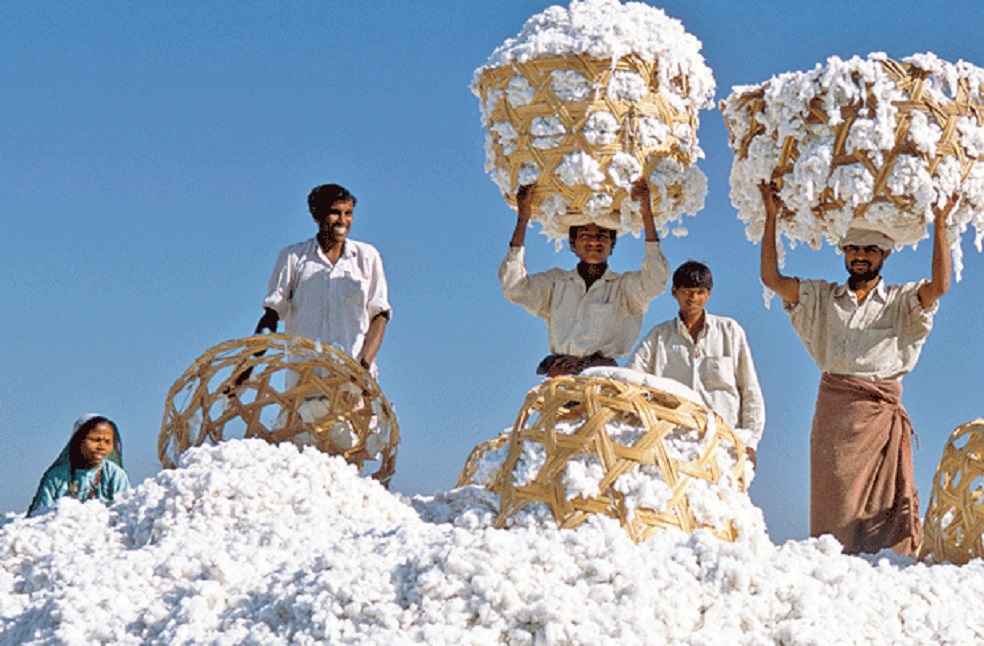
Vietnam and Bangladesh are set to emerge as the primary drivers of global cotton trade growth over the next decade, according to the OECD-FAO Agricultural Outlook 2025–2034. With rapidly expanding textile industries, both countries are ready to sharply increase their raw cotton imports, contributing to a forecasted annual global trade growth rate of 1.6%, reaching 12.3 million tons by 2034.
The report highlights that Vietnam’s cotton imports are expected to grow at an annual rate of 2.8%, while Bangladesh’s imports will rise by 2.4%. Their increasing mill consumption underpins a steady demand for fiber, strengthening international trade flows. Meanwhile, China is projected to remain the world’s largest cotton importer, maintaining stable import levels at 2.9 million tons annually.

On the export front, the United States and Brazil are anticipated to dominate the market, each accounting for around 30% of global cotton exports by 2034. Notably, Brazil has overtaken the U.S. as the leading exporter during the 2023–24 season, propelled by strategic investments in port infrastructure and logistics. Brazilian cotton exports are forecasted to grow by 2.6% annually, matching U.S. export volumes at 3.6 million tons by the end of the forecast period.
Sub-Saharan Africa is also expected to remain a major player, contributing 14% of global cotton exports by 2034. With more than 80% of its cotton production destined for international markets, primarily South and Southeast Asia, the region’s export growth is projected at 1.1% per annum.
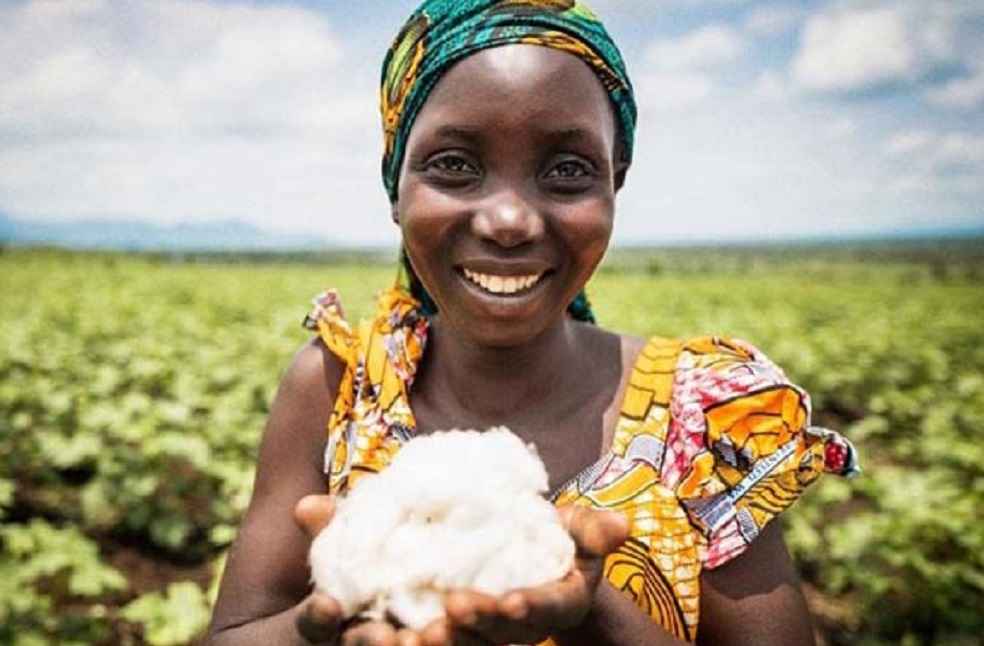
Some African nations like Ethiopia and Benin are witnessing a rise in domestic mill consumption, supported by foreign investment, government initiatives, and preferential access to EU markets through the Generalized Scheme of Preferences (GSP). This evolving trend could gradually shift the region toward becoming a more integrated textile production hub in the coming years.
ENERGY INDUSTRY | India Should Keep Buying Russian Crude Despite US Pressure: GTRI