



Valentine’s Day, widely associated with romance and gifting, has also become one of the most commercially significant periods for Kenya’s floriculture industry, reinforcing the country’s status as a global leader in flower exports.
The season represents a major revenue opportunity, with demand surging far beyond normal trading levels and placing intense pressure on production planning, logistics, quality control, and regulatory compliance across the supply chain.
Industry players begin preparing months in advance. Growers, exporters, logistics firms, regulators, and government agencies coordinate production cycles, certification processes, freight scheduling, and cold-chain management.
This structured approach ensures that flowers reach international markets within tight delivery windows. This level of coordination has helped Kenya maintain a reputation for reliability during peak global demand.

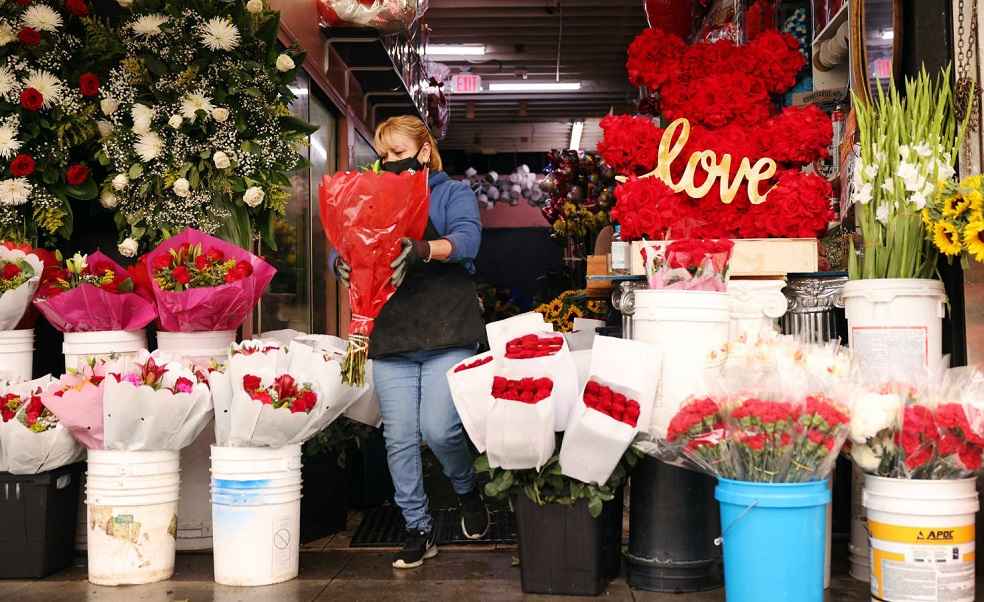
Domestically, flower sales rise sharply each February, with vendors establishing temporary high-volume stalls across urban centers such as Nairobi to meet increased consumer demand.
Although the majority of Kenya’s premium roses are exported, with the European Union accounting for roughly 38% of the market, the local Valentine’s period remains a valuable sales window for growers and retailers.
The floriculture sector continues to be a core pillar of Kenya’s agricultural export economy, contributing about 1.6% to national GDP and ranking among the country’s leading sources of foreign exchange alongside tea, tourism, coffee, and diaspora remittances.
Internationally, Kenya is recognized as a major producer and exporter of cut flowers, particularly roses, carnations, and alstroemeria. The Netherlands functions as the main European distribution hub, while markets in the United Arab Emirates and emerging Asian destinations such as China, Japan, and Malaysia are expanding the country’s export footprint.
According to data from the International Trade Center, Kenya generated Sh92 billion, or about $722.9 million, in cut flower export earnings in 2024. The country ranked fourth globally and accounted for 6.4% of total world flower exports.
Between 2020 and 2024, export value increased by 4% and volumes rose by 5%, reflecting steady growth despite global economic uncertainty. The 2026 Valentine’s season arrives against this backdrop of sustained performance and growing international competitiveness.
Industry stakeholders see strong potential in deepening Kenya’s presence across high-growth regions, including the UAE, Saudi Arabia, Kuwait, Qatar, Bahrain, and Oman, where direct imports of Kenyan roses have been rising.
The United States is also viewed as a key opportunity, driven by high consumer spending during major floral occasions such as Valentine’s Day and Mother’s Day.
Strong demand during the 2025 Valentine’s period highlighted buyer confidence in Kenya’s production systems and supply chains, reinforcing the country’s reputation for delivering large volumes within narrow timelines.
Beyond trade figures, the Valentine’s season carries a significant economic and social impact. The floriculture industry directly supports more than 200,000 jobs, many held by women, and sustains up to two million livelihoods across rural and peri-urban communities.
Key growing regions, including Naivasha, Nakuru, Thika, and the Mt. Kenya area, continue to benefit from employment opportunities, infrastructure development, and broader economic activity linked to the sector.
POLICY & LAW | India Approves Wheat and Processed Products Exports