


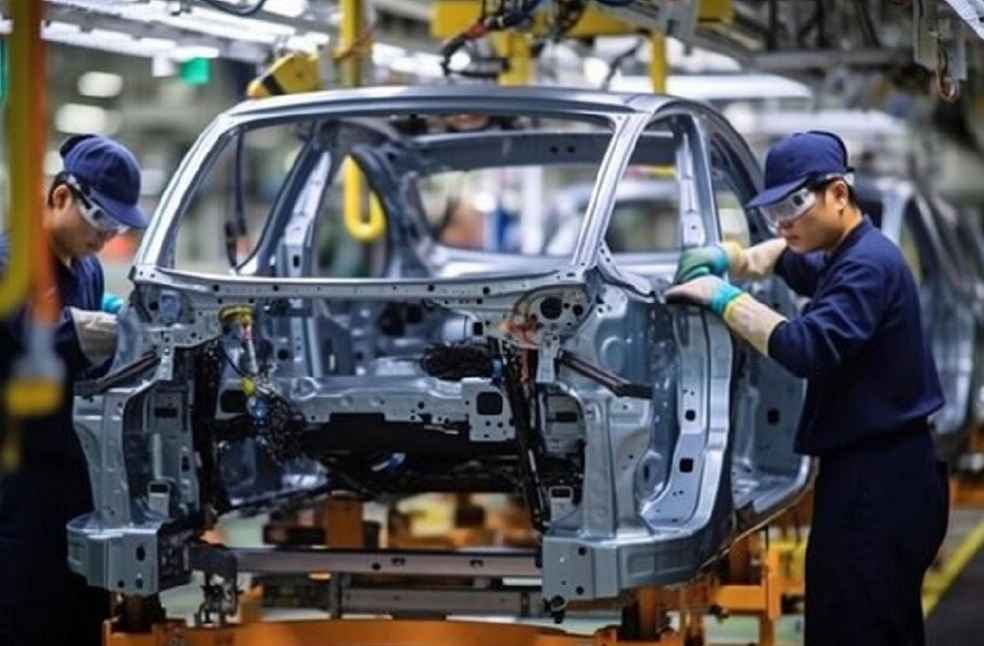
Five years after Brexit, the UK automotive sector continues to demonstrate its strength as a global trading leader, generating £115 billion in imports and exports last year, according to the Society of Motor Manufacturers and Traders (SMMT) latest report, Unmarked Routes: Britain’s Pathway to Stronger Automotive Trade. The industry is on course to exceed £110 billion in trade for the third consecutive year, despite facing significant challenges including tariff barriers, rising protectionism, and geopolitical uncertainty.
Brexit has reshaped trade conditions between the UK, the European Union, and other key partners. The sector has absorbed considerable costs from new customs procedures, regulatory changes, and tariffs, while simultaneously working to secure billions in investment for electrification and new technologies. Despite the signing of the EU-UK Trade and Cooperation Agreement (TCA) nearly five years ago, uncertainty remains, particularly around the definition of key battery components and stricter rules of origin for electric vehicles, set to take effect in less than 16 months.

Since Brexit, bilateral UK-EU automotive trade has lagged behind the UK’s performance with other global markets, with export and import values slowing between the two sides. Yet the EU remains the UK’s most important partner, with more than half of British car exports destined for the bloc and the majority of vehicles sold in the UK originating from Europe. Last year alone, cross-Channel automotive trade was valued at £68.4 billion, accounting for nearly 60% of the UK’s total automotive trade.
A growing proportion of this trade is driven by electrified vehicles. The value of UK-EU electric vehicle (EV) trade has surged 424% since 2019, rising from £4.6 billion to nearly £24 billion in the 12 months to June 2025. UK exports of battery electric, plug-in hybrid, and hybrid models to the EU now exceed those of traditional combustion engines twofold. Meanwhile, EU manufacturers exported £17.6 billion worth of EVs to Britain during the same period, with pure electric shipments outstripping those from China and surpassing internal combustion exports for the first time.

This momentum, however, is under threat from the upcoming rules of origin changes under the TCA. From January 2027, stricter requirements will apply to batteries and their parts, including thresholds for local production in the UK or EU. Current definitions of cathode active materials (CAM) remain unclear, creating further risks for compliance. Despite major investments in battery supply chains across the UK and Europe, production capacity has not yet caught up with demand. Without significant increases in localized battery output, many electrified vehicles may face tariffs of 10% to 22% when traded across the Channel, while combustion vehicles will continue to trade tariff-free.
Industry leaders are urging the government to act swiftly by clarifying CAM definitions, assessing compliance with 2027 rules, and re-engaging with the EU to find workable solutions. Calls have also been made for the UK to fast-track re-entry into the Pan-Euro Mediterranean (PEM) Convention, which could improve market access across 14 other participants and provide greater flexibility in managing rules of origin.
“Despite the most difficult environment in decades, UK Automotive remains a powerhouse of global trade. With its unmatched diversity and world-class capability, the sector already trades across the world. But the global trading environment is getting tougher; more competition, more protectionism, and more geopolitical tension. Forging closer trading relationships, notably with the EU, and implementing industrial and trade strategies with automotive at their heart will enable us to grow our economy, create thousands of highly skilled jobs, and lead the charge toward net zero,” said Mike Hawes, SMMT Chief Executive.
TRADE WORLD | South Africa and Algeria Agree to Launch New Trade Routes