


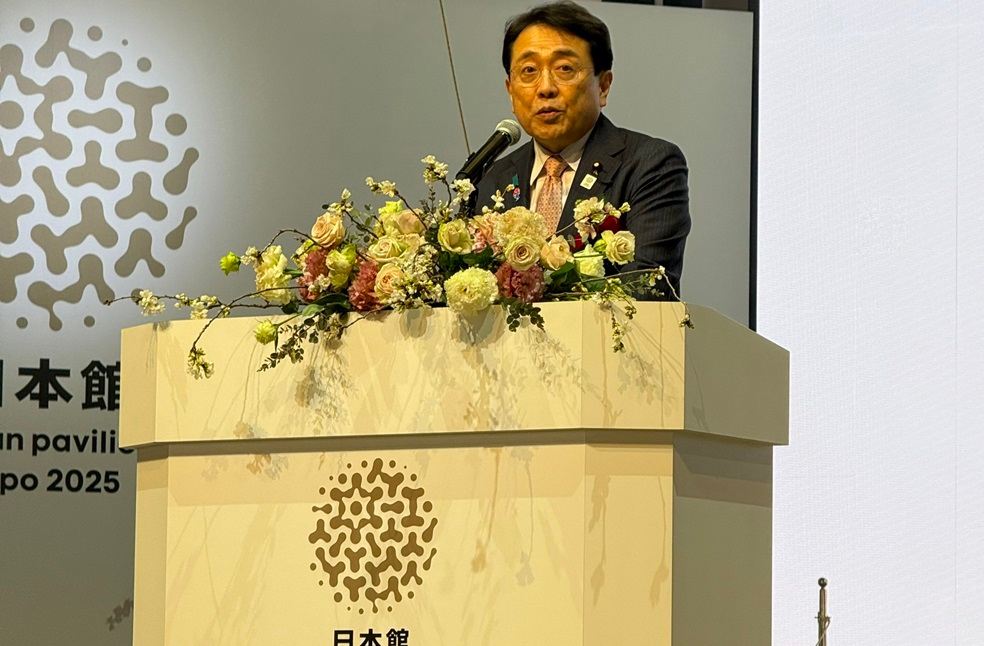
The United States has agreed to revise a flawed presidential executive order on tariffs to accurately enforce a trade agreement made with Japan roughly two weeks ago, a Japanese negotiator said on Thursday, as reported by Kyodo News. Following discussions with U.S. Cabinet officials in Washington, Japan’s chief tariff negotiator, Ryosei Akazawa, told reporters that the United States has also agreed to reimburse any excess tariffs if they were erroneously levied.
During negotiations last month, Japanese officials secured an agreement that would establish a flat 15% tariff on all Japanese exports to the United States in exchange for commitments to invest hundreds of billions of dollars in the U.S. and to increase access for American goods in the Japanese market.
However, a July 31 executive order from the Trump administration introduced a similar plan for the European Union, while Japan and other trade partners were instead subjected to a new tariff rate added on top of existing ones. For Japan, this raised tariffs on products such as beef exports to the U.S. from 26.4% to 41.4%.
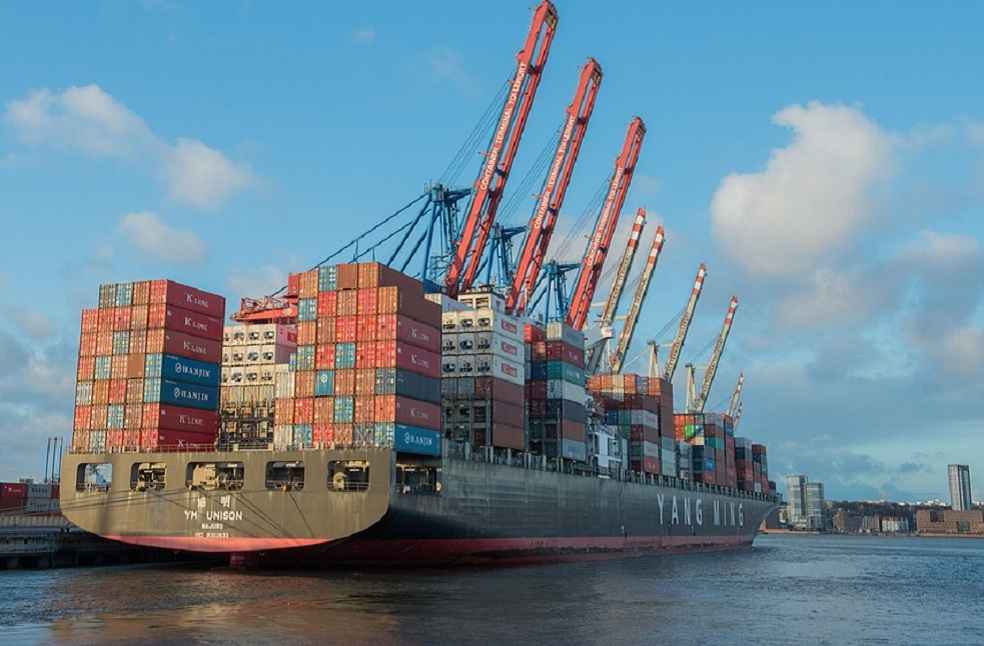
On Thursday, Trump’s country-specific tariffs went into effect, offering no special treatment for Japanese imports.
After three hours of discussions with Commerce Secretary Howard Lutnick and a brief 30-minute meeting with Treasury Secretary Scott Bessent, Akazawa said the U.S. side had expressed regret over Washington’s failure to properly incorporate the terms of the deal into Trump’s executive order.
As part of the July 22 agreement, the Trump administration also committed to reducing U.S. auto tariffs on Japanese vehicles and car parts from 27.5% to 15%. However, the timeline for implementing the reduced rate has yet to be determined.

According to the Japanese government, Minister Akazawa requested that a standalone presidential executive order be issued promptly to enact the agreed-upon reduction in auto tariffs. He noted that the U.S. side indicated the order would likely be issued around the same time as a revision to Trump’s directive on reciprocal tariffs.
Japanese officials stated that although the specifics of the bilateral agreement were confirmed, products from Japan already subject to tariffs of 15% or more will not be charged extra duties, and that tariffs on other items will be limited to a maximum of 15%.
After discussions with Lutnick and Bessent, Minister Akazawa reaffirmed that Japan and the United States share a consistent understanding of the deal, emphasizing that there is ‘no discrepancy’ in its interpretation.
ENERGY INDUSTRY | Israel Signed a $35B Natural Gas Export Agreement with Egypt

