


The U.S. Department of Agriculture (USDA) declared Monday that it will begin a phased reopening of livestock imports along the Mexican border, starting July 7 in Douglas, Arizona. Agriculture Secretary Brooke L. Rollins stated that the decision comes after several weeks of coordination with Mexican officials to address the threat of New World Screwworm (NWS), a destructive parasite affecting livestock, which led to the shutdown of all southern border ports on May 11.
The May restriction at the U.S.-Mexico border followed the USDA’s confirmation that the pest had been found in Oaxaca and Veracruz, approximately 700 miles from the U.S. border, prompting a shift in border protocols. The closure of livestock ports severely strained the commercial trade ties between the U.S. and Mexico, impacting ranchers and livestock businesses in both countries.
Secretary Rollins shared on X that ‘key progress’ has been made in tackling the pest. The USDA eliminated New World Screwworm from the U.S. in 1966. If a resurgence occurs, it could severely damage the livestock sector and pose a serious risk to national food security.
The phased reopenings will take place over three months, with five ports gradually resuming operations—beginning with Douglas, Arizona, on July 7, followed by Columbus, New Mexico, on July 14; Santa Teresa, New Mexico, on July 21; Del Rio, Texas, on August 18; and Laredo, Texas, on September 15.
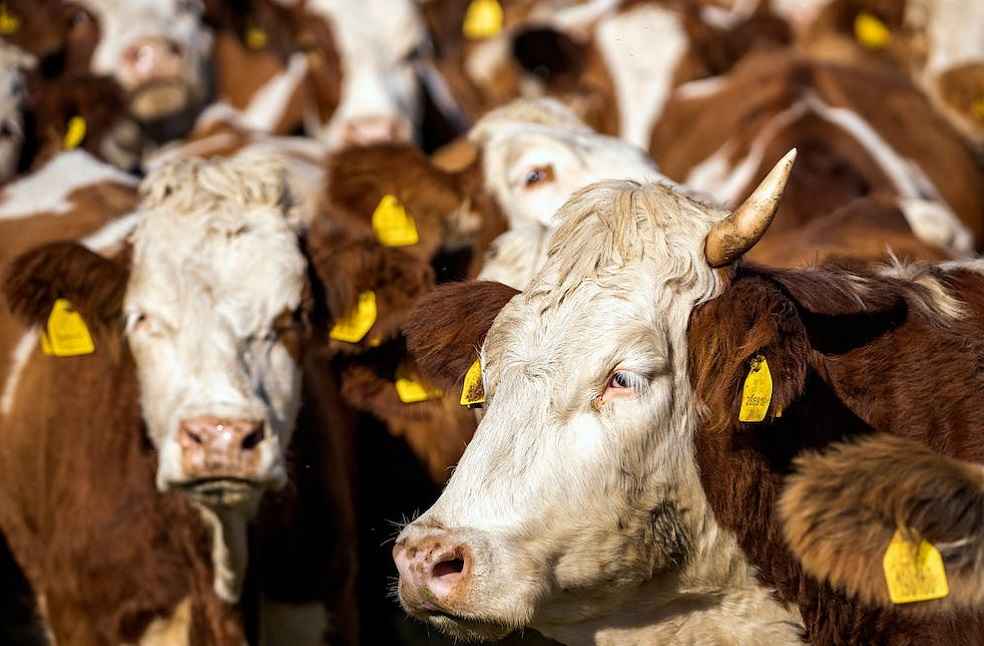
Each reopening will be assessed for negative impacts before advancing to the next stage. The process will be guided by strict import regulations. Initially, only cattle and bison originating from Sonora or Chihuahua, or those treated under designated NWS protocols, will be eligible for import. Texas ports will remain closed until Coahuila and Nuevo Leon implement comparable measures. Horses from any part of Mexico may be imported once they complete a seven-day quarantine and comply with NWS rules.
POLICY & LAW | EU and Ukraine Reach New Trade Agreement on Agricultural Imports