



The U.S. Treasury Department declared on Wednesday that it will permit the resale of Venezuelan oil to Cuba, provided the transactions support the Cuban private sector rather than its state-run government.
The decision follows U.S. President Donald Trump’s previous directive to block fuel shipments to Cuba in an effort to pressure the government.
The U.S. Treasury’s Office of Foreign Assets Control (OFAC) stated that it will adopt a more flexible licensing approach for certain applications seeking approval to resell Venezuelan oil for commercial and humanitarian purposes in Cuba.
According to the Treasury, the policy is intended to support the Cuban population, particularly the private sector, while excluding any dealings involving the Cuban military, government, or intelligence agencies.

The easing of the U.S. oil blockade comes at a time when Cuba has been severely affected by acute fuel shortages. The country’s economy suffered a major setback after the United States assumed control of Venezuela’s oil exports, halting critical shipments of Venezuelan fuel to the island and intensifying the energy crisis.
In addition to these recent measures, the United States has maintained a comprehensive trade embargo against Cuba since 1962, restricting most commerce and economic engagement between the two nations for decades.
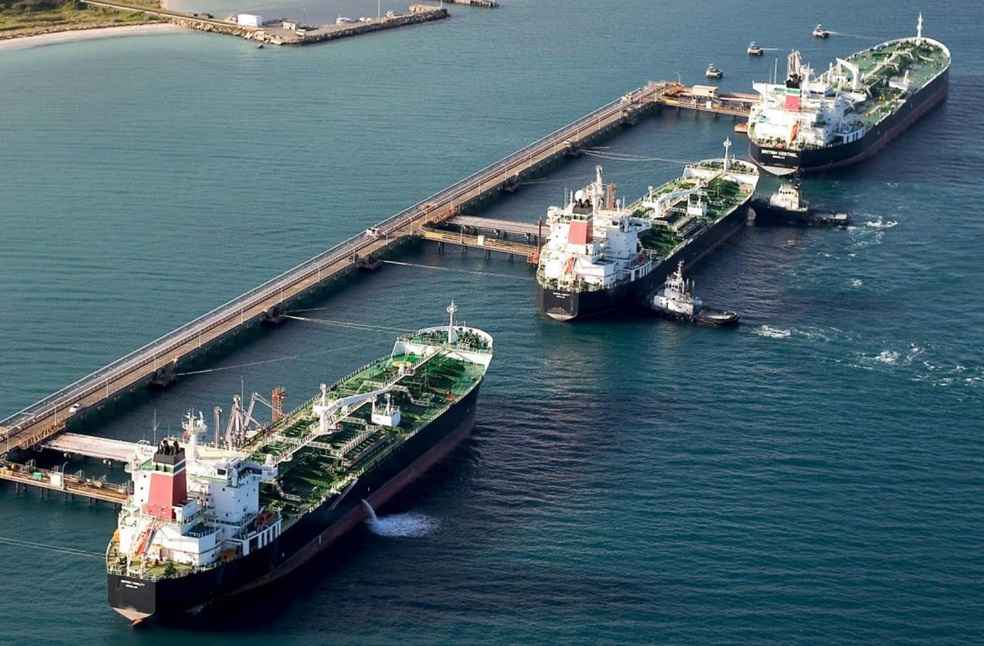
For more than 25 years, Venezuela was the primary source of crude oil and fuel for Cuba under a bilateral agreement centered largely on exchanging goods and services. Mexico, which had recently stepped in as an alternative supplier, also ceased shipments after the United States threatened tariffs on countries exporting oil to Cuba.
As a result of U.S. pressure on both Venezuela and Cuba, several fuel deliveries have gone undelivered since December, according to Reuters.
Meanwhile, Mexico and Canada have declared plans to provide aid to Cuba, while Russia’s Deputy Prime Minister Alexander Novak stated Moscow is also considering supplying fuel to the island.
IMEX SECTOR | Brazil Suspends Cocoa Imports from Ivory Coast Amid Oversight Gaps

