


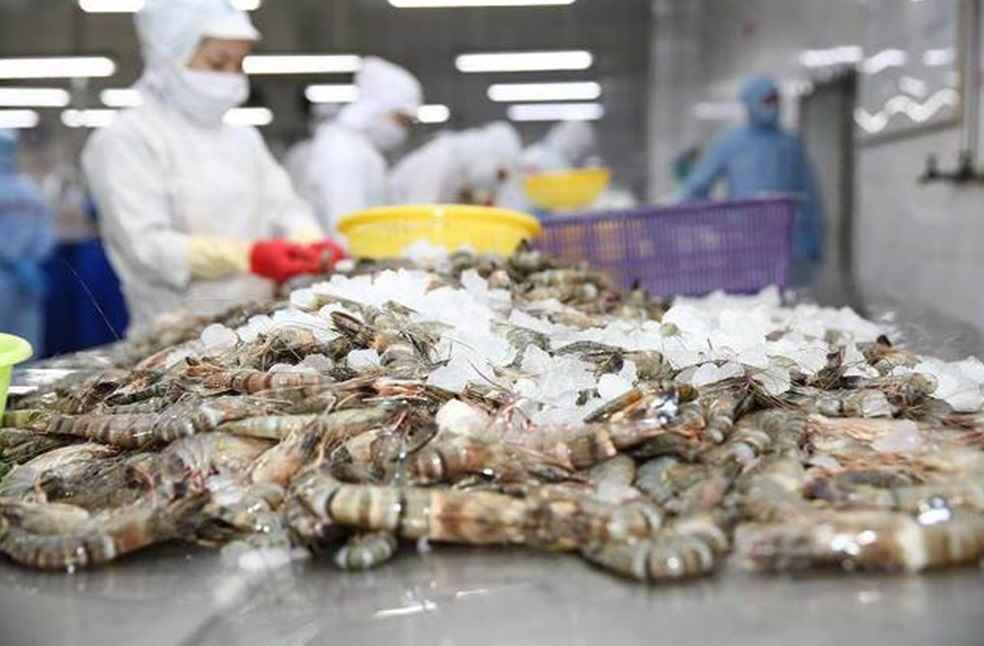
Republican Senators Bill Cassidy of Louisiana and Cindy Hyde-Smith of Mississippi have introduced the India Shrimp Tariff Act, legislation aimed at protecting Louisiana’s shrimp and catfish farmers from what they describe as India’s unfair trade practices. The bill seeks to counter the alleged dumping of low-priced Indian shrimp into the U.S. market, which lawmakers say threatens domestic seafood producers.
“People come from all over to try Louisiana gumbo, jambalaya, and shrimp and grits. That’s because our shrimpers and catfish farmers meet high standards,” Cassidy said in a statement. “By leveling the playing field, this bill protects Louisiana seafood and the jobs that depend on it.”

Hyde-Smith echoed these concerns, emphasizing the strain on local fishermen. “For too long, Indian shrimp has been dumped on the U.S. market with minimal penalty or regulation, which has come at the expense of domestic shrimpers, processors, restaurants, and consumers,” she said. “Senator Cassidy’s common-sense legislation will help put our domestic industry on a more level playing field, and I will work with him to move this bill forward for the benefit of Gulf Coast shrimpers and everyone who enjoys domestic shrimp.”
The move comes shortly after Cassidy pressed Jonathan Greenstein, President Trump’s nominee for Deputy Under Secretary of the Treasury, during a Senate Finance Committee hearing to support Louisiana shrimp producers and address unfair trade practices impacting the seafood sector.
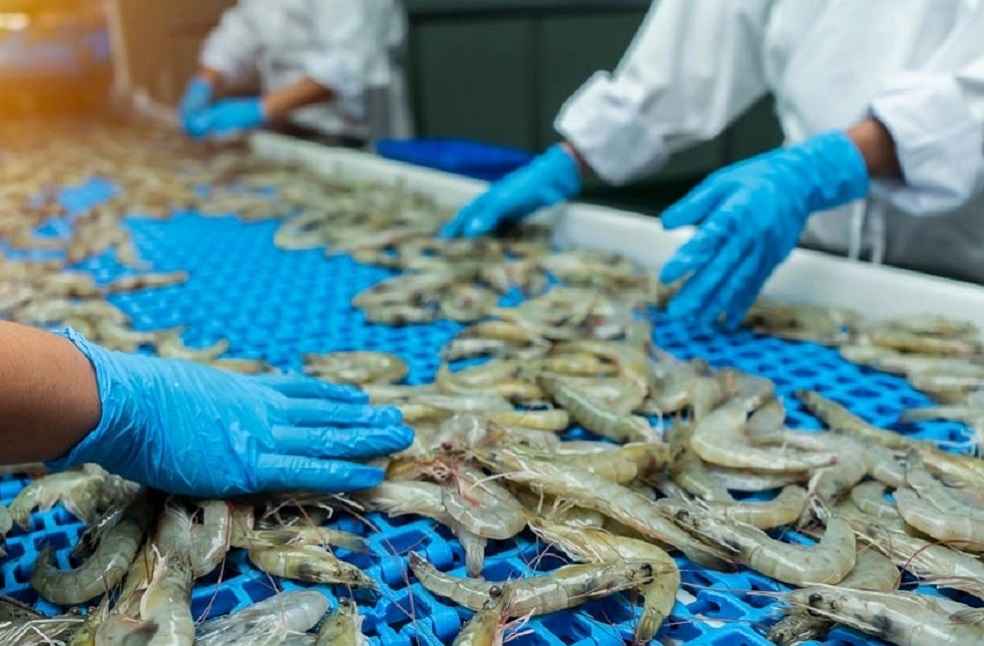
Earlier this year, Cassidy and fellow Republicans introduced the Prioritizing Offensive Agricultural Disputes and Enforcement Act to defend Louisiana’s rice industry against cheap imports from India and China. Both initiatives reflect growing concerns in Washington about agricultural dumping and its impact on U.S. farmers.
Tensions over agricultural trade have also strained relations between Washington and New Delhi. Trump expressed frustration when Indian Prime Minister Narendra Modi refused to open India’s agricultural markets to U.S. products. Agriculture remains a cornerstone of India’s economy, employing around 40% of the country’s workforce.
Meanwhile, tariffs imposed on August 27, set at 50%, have heightened the standoff. The measures penalize both India and the United States, raising costs for American consumers of Indian goods while adding new hurdles for exporters.
POLICY & LAW | Indonesia Tightens Cassava and Ethanol Import Rules to Aid Farmers