


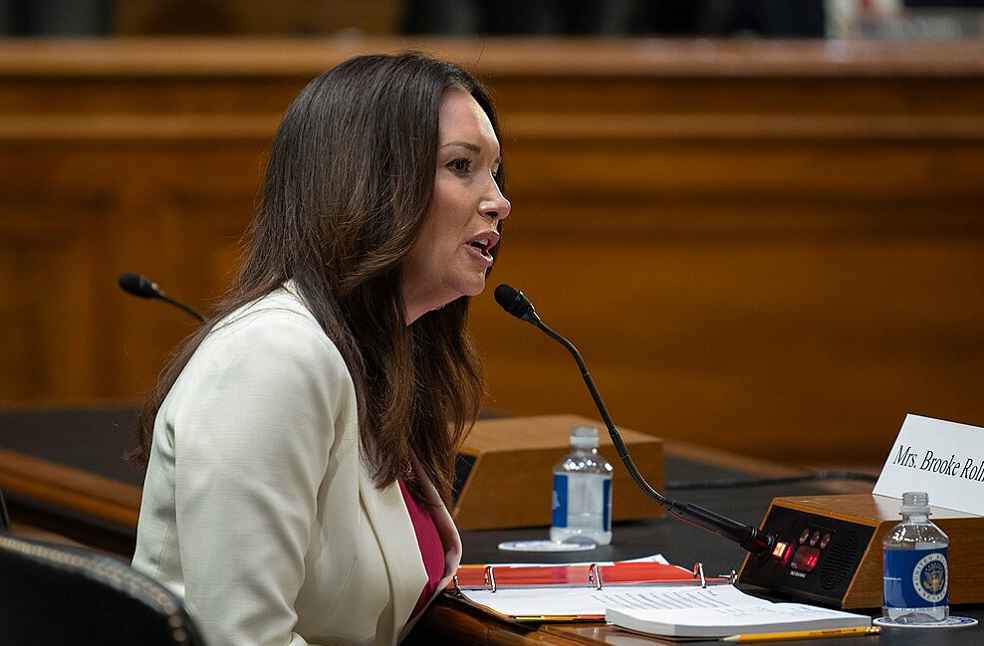
India has ‘significant potential’ to increase agricultural imports from the United States, the U.S. Department of Agriculture said, days after Washington announced a trade deal aimed at expanding market access for American farm goods.
In response to a questionnaire from The Indian Express addressed to U.S. Agriculture Secretary Brooke Leslie Rollins, a USDA spokesperson said that high tariffs, what it described as unjustified non-tariff measures, and other restrictions had constrained U.S. agricultural exports to India.
The spokesperson added that reducing these barriers, along with reforms to what it termed India’s “overly generous” subsidy programs, could help level the playing field for U.S. farmers, ranchers, and producers, and support more balanced and mutually beneficial trade over time.
The USDA also referred to its Three-Point Plan, announced in September 2025, which seeks to narrow a $50 billion agricultural trade deficit through expanded market promotion, faster responses to reciprocal trade agreements, and initiatives aimed at boosting rural prosperity in the United States.
The remarks came a day after Union Commerce Minister Piyush Goyal told the Rajya Sabha that India’s key sensitivities in the food and agriculture sector had been fully taken into account during negotiations with the US.
Earlier, on February 3, Rollins said the trade deal would help export more American farm products to India’s large and growing market, lift farm prices, and increase income in rural America. She noted that in 2024, the U.S. agricultural trade deficit with India stood at $1.3 billion, and said the agreement would go a long way towards reducing that gap.
The announcement followed a statement by U.S. President Donald Trump, who said Prime Minister Narendra Modi had committed to buying American products at a much higher level, including energy, technology, agriculture, coal, and other goods.
The U.S. has long sought greater access to India’s agricultural market. India’s agricultural imports largely consist of fresh fruits, dry fruits and nuts such as almonds and walnuts, alcoholic beverages, raw cotton, vegetable oils, and processed food items. In 2024, agricultural imports from the U.S. were valued at $2.4 billion.
India’s agricultural exports to the U.S., which include marine products, spices, dairy products, rice, and herbal items, were valued at $6.2 billion, accounting for 11.74% of India’s total agricultural exports of $53.2 billion during the year.
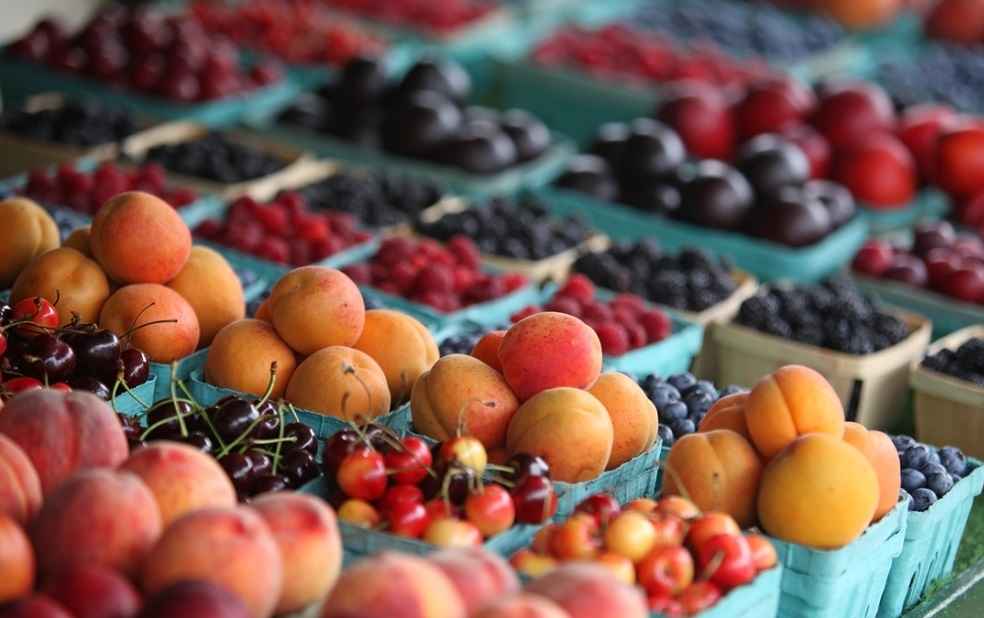
Trade frictions in the sector have eased in recent years. In 2023, India and the U.S. resolved a long-standing poultry dispute at the World Trade Organization, after which India agreed to reduce tariffs on select U.S. products such as frozen turkey and duck, fresh and processed blueberries and cranberries, and dried berries.
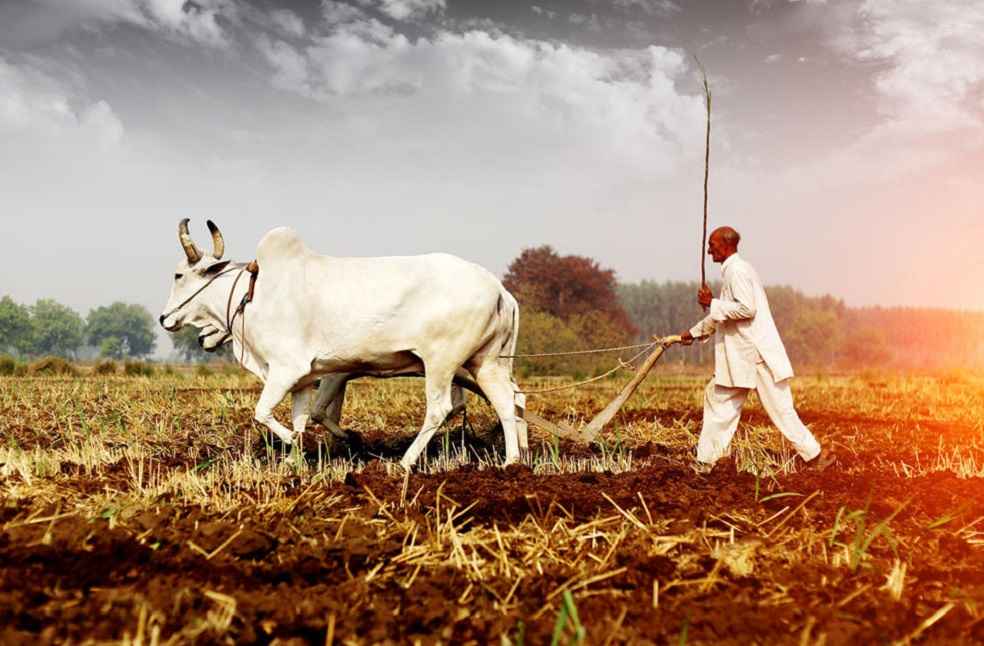
At the same time, Indian officials have repeatedly stressed that farmers’ interests will remain protected. In August last year, Union Agriculture Minister Shivraj Singh Chouhan said that while the U.S. was seeking export opportunities for crops such as soybean, wheat, maize, and rice, India would not compromise on safeguarding its farmers.
This position was reiterated this week in a written reply to the Lok Sabha, where Chouhan said free trade agreement negotiations are undertaken only after carefully protecting the interests of Indian agriculture, allied sectors, and farmers, including small and marginal cultivators.
On Thursday, Chouhan’s office said no market segment had been opened in a manner that could harm Indian farmers, and that all major crops, food grains, fruits, and dairy products remained protected.
The statement also sought to address confusion following a recent social media post by the U.S. Treasury Secretary on expanded access for American farm products, noting that the matter had already been clarified in Parliament by the Commerce Minister.
GLOBAL ROUNDUP | Tajikistan Ranked Among World’s Most Import Dependent Economies
