


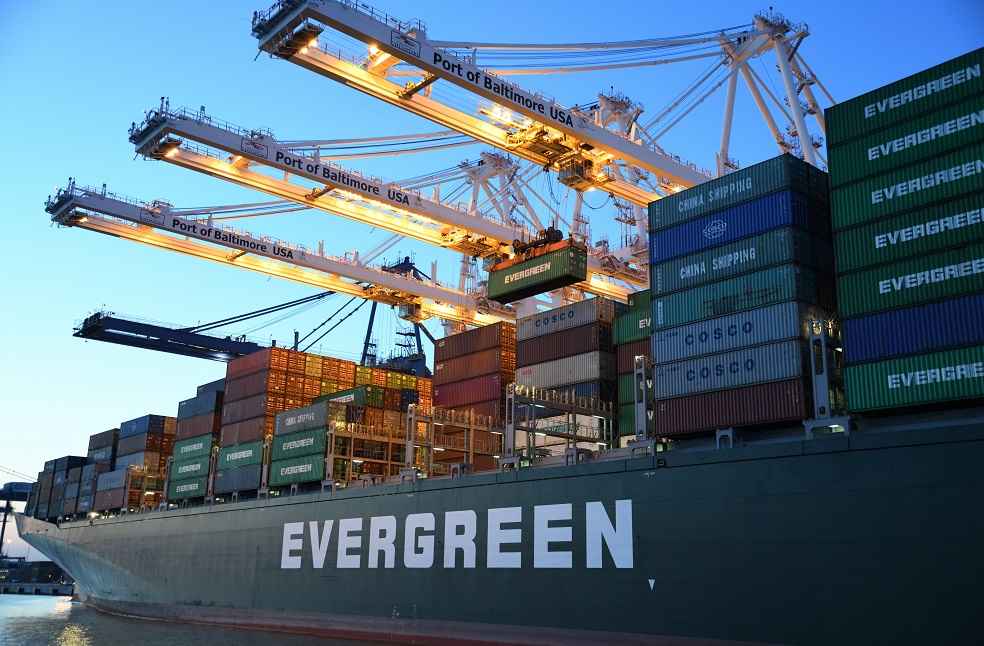
The American Association of Port Authorities (AAPA) has urged the Office of the United States Trade Representative (USTR) to reconsider a proposed 100% tariff on Chinese-manufactured ship-to-shore (STS) cranes, warning that the move could severely hinder port expansion, raise infrastructure costs, and fail to stimulate domestic crane production.
AAPA President and CEO Cary Davis voiced the industry’s opposition during testimony before the USTR, arguing that such tariffs would not establish a domestic crane manufacturing base, as none currently exists. “Imposing a new 100% tariff on Chinese STS cranes won’t suddenly create a domestic crane industry,” Davis said in his official comments to the Federal Register. “It will only inflate costs for public port authorities already facing steep modernization demands.”
While supporting the broader aim of reshoring key industries, the AAPA stressed that U.S. ports currently have no alternative but to source STS cranes from international manufacturers. The association warned that imposing tariffs could delay critical infrastructure upgrades, disrupt supply chains, and ultimately lead to increased consumer costs.
In its formal submission, the AAPA also opposed other proposed trade measures, including potential $1 million fees on foreign vehicle carriers and new charges on Chinese-owned and operated vessels. The group further called for clearer language in the policy and a well-defined role for ports in enforcement to avoid confusion and misapplication.
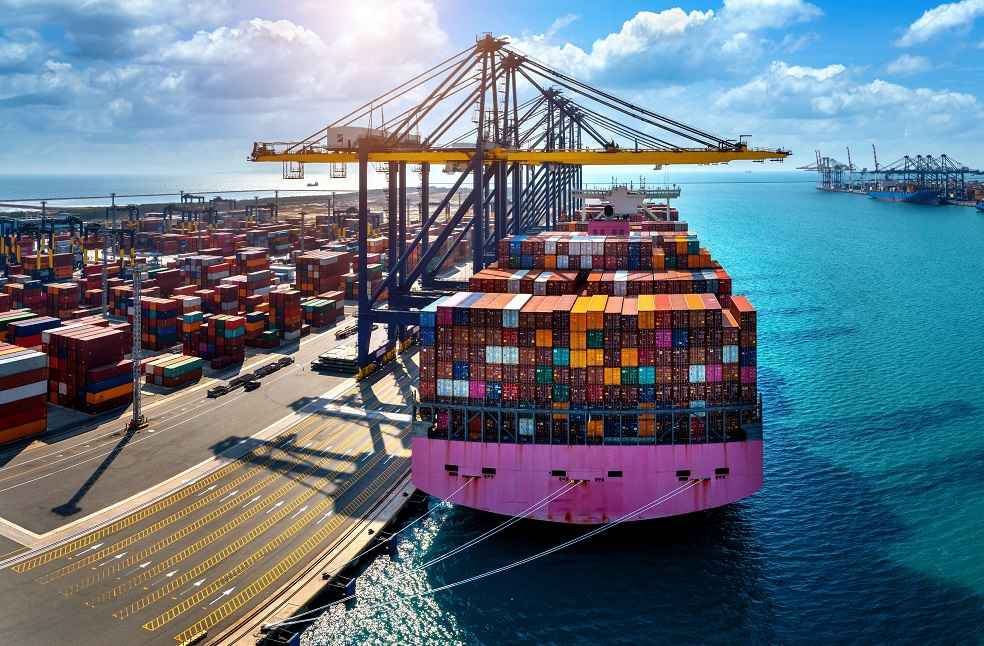
The association cautioned that the tariffs could undermine recent gains made under federal infrastructure investment programs and compromise national efforts to improve port efficiency and competitiveness.
“We support reshoring where it’s viable,” Davis said. “But tariffs that raise costs without creating alternatives only hurt American ports and, by extension, the American economy.”
The AAPA confirmed it will continue to engage with the USTR and lawmakers to advocate for policies that ensure American ports remain affordable, efficient, and globally competitive.
IMEX SECTOR | Australia Sets Record as World’s Top Goat Meat Exporter